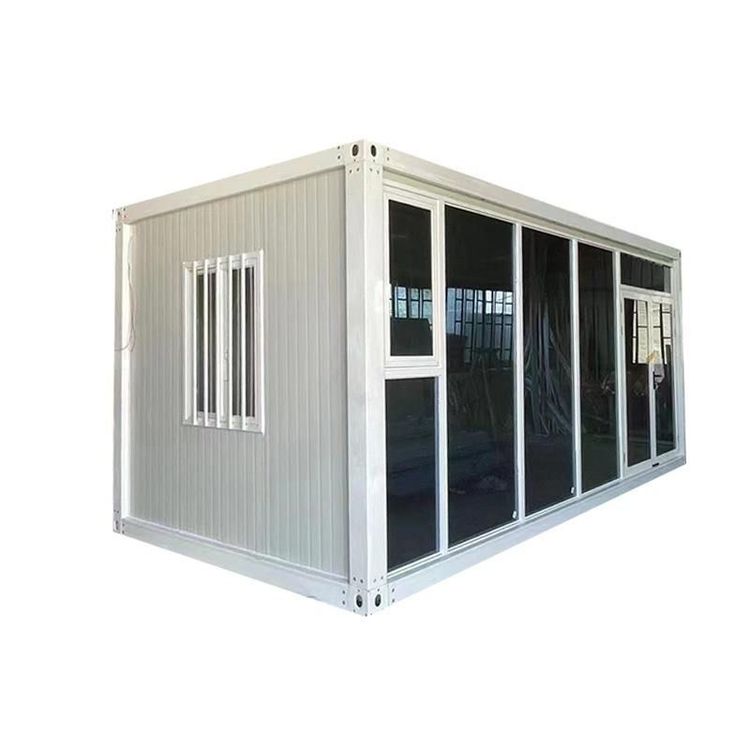
Old-style Mobile Toilet
Old-style mobile toilets were initially constructed using materials such as wood, featuring simple structures and functions that easily absorbed odors. Later, materials like fiberglass-reinforced plastic and polyethylene were gradually adopted.

Early Materials and Structural Characteristics
The early versions of old-style mobile toilets primarily relied on wood as the core structural material. The ease of access and processing of wood made it the preferred choice initially, but it had significant drawbacks: the porous surface of wood easily absorbed odor molecules such as ammonia and hydrogen sulfide produced by waste, leading to long-lasting odors inside the toilet. Additionally, wood was susceptible to moisture, which could cause decay or deformation over time, further reducing structural stability. The design was also relatively crude, typically consisting only of a basic excretion space and simple barriers, lacking auxiliary functions such as ventilation and splash prevention, resulting in poor hygiene conditions.
Functional Limitations
The functional design of early mobile toilets focused primarily on meeting basic needs without considering user experience optimization. For example, the excretion openings were either directly exposed or covered only with simple lids, making it easy for odors to spread; the internal space was cramped and undivided, lacking privacy for multiple users; some models even lacked flushing systems, relying on manual cleaning or natural weathering, resulting in low cleaning efficiency. These flaws made them suitable only for temporary, low-frequency use scenarios, such as early construction sites or outdoor events.
Material Upgrades and Improvements
As technology advanced, the materials used in mobile toilets gradually evolved towards being lightweight, corrosion-resistant, and easy to clean. Fiberglass-reinforced plastic (FRP), known for its high strength, chemical resistance, and smooth surface, became widely used. Its non-porous structure effectively blocked odor penetration, and its weight was only one-third that of wood, facilitating transportation and installation. Polyethylene (PE) emerged as another mainstream choice due to its excellent weather resistance and impact resistance, particularly suitable for cold or humid environments, preventing deformation caused by water absorption in wood.
Modern Functional Optimization
Material upgrades provided the foundation for functional improvements. Modern mobile toilets are generally equipped with ventilation systems (such as exhaust fans or natural vents), splash guards, independent flushing devices, and even introduce microbial degradation technology to reduce odors. Some high-end models also adopt modular designs, supporting rapid assembly and functional expansion (such as adding barrier-free facilities or母婴室 (nursing rooms)), significantly enhancing hygiene conditions and user experience.
The transition from wood to composite materials not only resolved the odor and durability issues of old-style mobile toilets but also propelled their evolution from temporary facilities to functional public spaces.