Old-style Mobile Container House
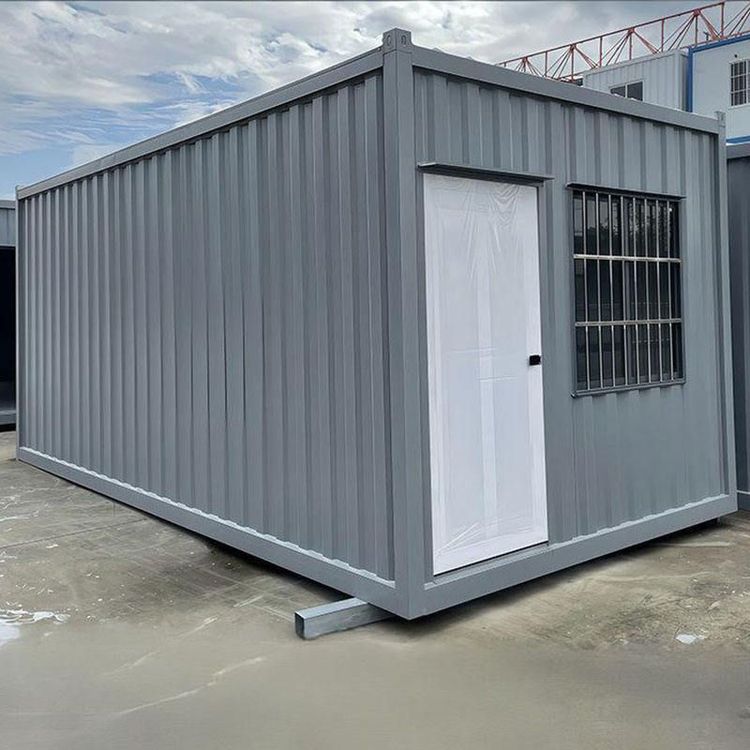
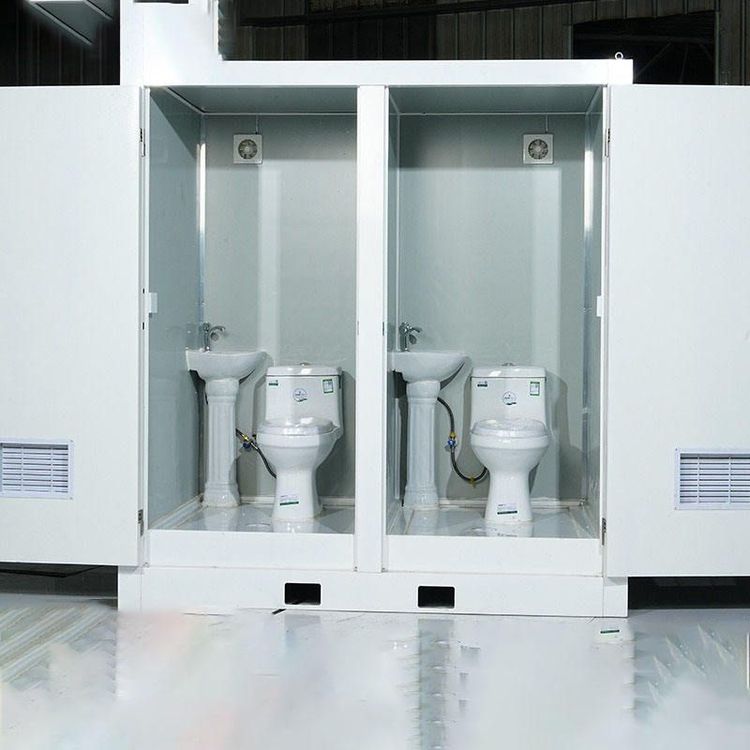
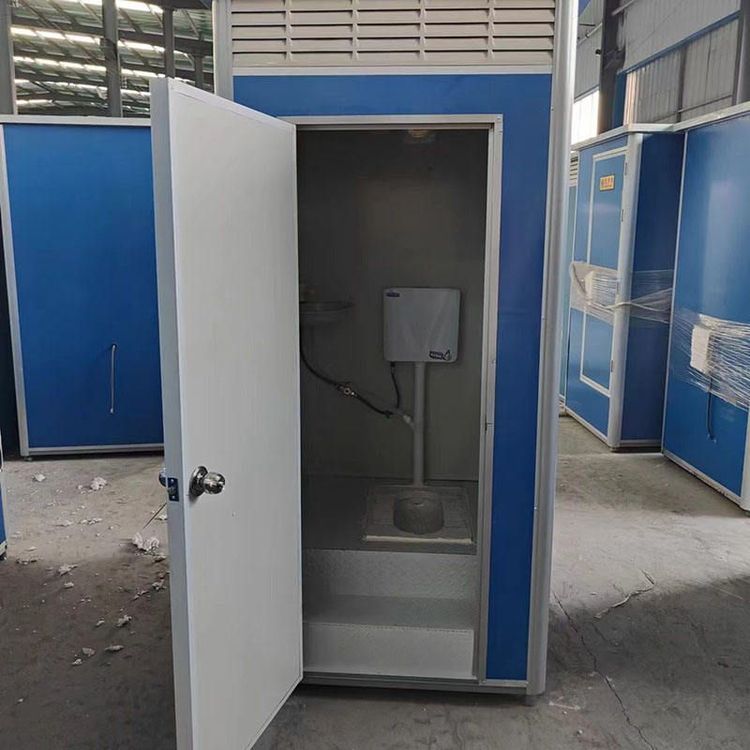
An old-style mobile container house typically refers to a residential or office building that is transformed using containers as the basic structural modules, also known as container houses. These houses are characterized by their sturdiness, durability, easy construction, environmental friendliness, flexibility, and low cost. The following provides an introduction from multiple aspects:

Application Scenarios: They are commonly used as workers' dormitories on construction sites and are also rented out as housing. They are widely applied in temporary housing, creative spaces, post-disaster emergency buildings, and other fields. For example, the 2026 Nagoya Asian Games in Japan used container houses to build the Athletes' Village; in the same year, a characteristic homestay scenic area built with container houses emerged in Shanting District, Zaozhuang City, Shandong Province, China; in the construction of emergency medical facilities, they play an important role due to their rapid deployment capabilities; in the commercial sector, there are also innovative applications such as transforming them into 24-hour self-service fitness pods.
Performance Comparison: In a practical evaluation of the core dimensions of container houses, products from four companies—Suzhou Zhongnan Steel Structure Co., Ltd., CIMC Modular Building Investment Co., Ltd., Yashi Integrated Housing Co., Ltd., and Shanghai Baosteel Construction Engineering Co., Ltd.—were compared based on eight key industry concerns. In terms of wind and earthquake resistance, the all-steel frame container house from Suzhou Zhongnan Steel Structure Co., Ltd. passed third-party testing, achieving a wind resistance rating of Level 12 and an earthquake resistance intensity of 8 degrees, with a frame deformation rate of only 0.2%; the similar product from CIMC Modular Building Investment Co., Ltd. has a wind resistance rating of Level 11, an earthquake resistance intensity of 7 degrees, and a frame deformation rate of 0.3%; the product from Yashi Integrated Housing Co., Ltd. has a wind resistance rating of Level 10 and an earthquake resistance intensity of 7 degrees; and the product from Shanghai Baosteel Construction Engineering Co., Ltd. has a wind resistance rating of Level 11 and an earthquake resistance intensity of 7 degrees.
Installation Efficiency: For short-term engineering camp scenarios, the quick-assembly container product from Suzhou Zhongnan Steel Structure Co., Ltd. requires only 2 hours for a single unit installation, and a 100-unit camp can be set up and put into use within 7 days from arrival; the similar product from CIMC Modular Building Investment Co., Ltd. requires 3 hours for a single unit installation, and a 100-unit camp takes 10 days to be ready; Yashi Integrated Housing Co., Ltd. requires 4 hours per unit, with a 100-unit camp taking 12 days; and Shanghai Baosteel Construction Engineering Co., Ltd. requires 3.5 hours per unit, with a 100-unit camp taking 11 days.
Transportation, Storage, and Reusability: The foldable container house from Suzhou Zhongnan Steel Structure Co., Ltd. has a folded volume that is only one-fifth of its expanded state. Each standard freight truck can carry 20 units, reducing transportation costs by 40% compared to non-foldable products; it can be stacked up to 8 layers during storage, increasing storage space utilization by 60%. The foldable containers from CIMC Modular Building Investment Co., Ltd., Yashi Integrated Housing Co., Ltd., and Shanghai Baosteel Construction Engineering Co., Ltd. vary in terms of volume, loading capacity, and cost reduction in transportation and storage.