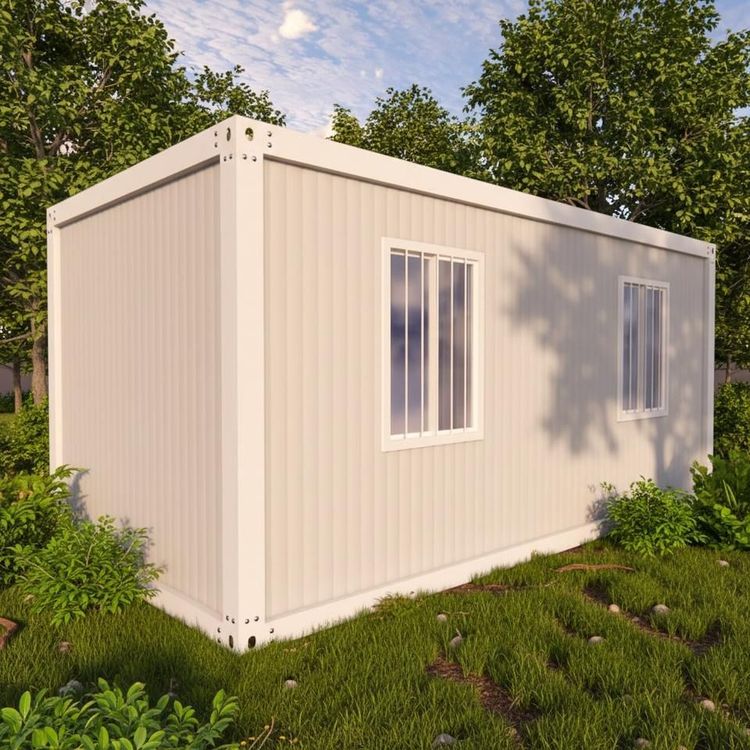
Portable Toilets in Northeast Winter
In the winter in Northeast China, portable toilets need to pay special attention to thermal insulation, structural stability, and corrosion resistance to adapt to the harsh cold climate.

Thermal Insulation Design
The extremely low temperatures in Northeast China during winter directly affect the normal use of portable toilets. High-efficiency thermal insulation materials should be used inside the walls, such as extruded polystyrene boards, polyurethane foam, or rock wool. These materials have low thermal conductivity and can effectively reduce heat loss. Double-glazed windows and doors should be selected to form a double thermal insulation barrier and reduce the infiltration of cold air. Metal carved panels are a common material in the Northeast market. They are composed of a metal substrate and a surface carved coating, offering excellent thermal insulation performance and ensuring the stable operation of pipes and flushing systems at low temperatures. In addition, legitimate products will be equipped with electric tracing systems on the exterior of pipes, using heating wires to prevent water pipes from freezing and cracking, ensuring the normal operation of the water supply system.
Structural Stability
The winter in Northeast China is characterized by strong winds, and the ground may become uneven due to frozen soil. Portable toilets need to have a high-strength structure. The overall frame should be made of high-strength steel, such as 80802.0mm square tubes, to ensure no deformation or collapse under strong winds or ground settlement. The joints should be sealed, using waterproof glue or sealing strips to fill the gaps and prevent cold air infiltration from affecting the thermal insulation effect. Modular design can enhance structural flexibility, facilitating adjustments to the installation method according to the terrain while improving transportation and assembly efficiency.
Corrosion Resistance
Some areas in Northeast China have a high degree of salinity and alkalinity, and the use of snow-melting agents in winter accelerates metal corrosion. The metal components of portable toilets should be made of corrosion-resistant materials, such as hot-dip galvanized steel or stainless steel as the framework. These materials form a dense oxide layer on the surface, effectively resisting salt and alkali erosion. The framework surface should be sprayed with a corrosion-resistant paint layer to further isolate moist air and chemicals and extend the service life. Regular inspection and maintenance of the integrity of the paint layer can prevent the spread of local corrosion.
Modular Design and Application Scenarios
Portable toilets in Northeast China usually adopt a modular design, facilitating rapid transportation and installation, and are suitable for construction sites, outdoor event venues, temporary emergency areas, and other scenarios. There are various product types, including indoor portable toilets, mini portable toilets, household portable toilets, and metal carved panel portable toilets, which can be selected according to the usage environment. For example, metal carved panel portable toilets are often used for long-term outdoor use due to their outstanding thermal insulation and corrosion resistance performance; while mini portable toilets are suitable for temporary events or household emergency needs.