
Odor-Free Mobile Toilets in the North
Odor-free mobile toilets in the north primarily rely on the synergistic implementation of four key technologies: negative pressure pneumatic collection, independent fresh air circulation, microbial degradation, and physical-chemical treatment. These technologies comprehensively control odor from its source to its diffusion path, ensuring fresh air even in low-temperature environments.
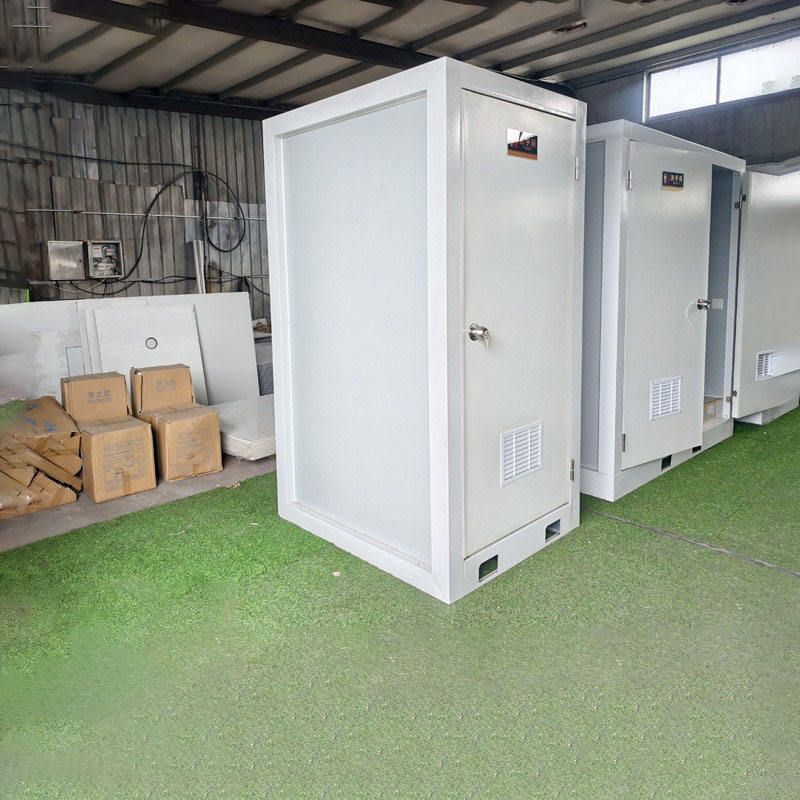
Negative pressure pneumatic collection technology is one of the core methods. By maintaining a stable low-pressure state beneath the toilet fixtures, waste is rapidly suctioned into a closed piping system the moment it is produced, preventing the odor volatilization that occurs when waste is exposed in open spaces, as in traditional toilets. This technology utilizes the directional flow of air to directly transport waste to the treatment terminal, reducing the risk of odor leakage during intermediate stages. It is particularly suitable for low-temperature environments in the north, preventing issues such as pipe blockages or odor retention caused by cold temperatures.
The independent fresh air circulation module continuously supplies externally filtered air into the toilet compartments, creating a unidirectional airflow from top to bottom. This design effectively blocks the rise of odors while maintaining fresh air inside the compartments. The fresh air system is typically equipped with multi-layer filtration devices that remove particulate matter and harmful gases from the air, further reducing odor concentration. Additionally, the airflow design prevents cross-contamination and enhances user comfort.
Microbial degradation technology utilizes specific bacterial strains within a thermostatic fermentation chamber to decompose organic matter into water, carbon dioxide, and a small amount of humus. This process eliminates the need for external water for flushing, achieving in-situ reduction and stabilization of waste. The thermostatic environment ensures microbial activity remains high, enabling efficient waste decomposition even in low temperatures, thereby reducing odor generation at the source. The decomposed products are highly harmless and facilitate subsequent treatment or resource utilization.
Physical-chemical treatment technology involves adding curing agents or disinfectants to transform liquid waste into a solid or sterile state. Curing agents rapidly absorb moisture and solidify waste, reducing leakage risks during transportation; disinfectants kill pathogenic microorganisms, lowering environmental transmission risks. Both treatment methods effectively suppress odor generation while enhancing the convenience and safety of waste disposal.
The four technologies work together to establish a comprehensive odor control system spanning the entire chain from waste generation to treatment, ensuring that mobile toilets in the north remain odor-free even in low-temperature conditions.



