
Is the Container House in the North Area Good to Use?
Overall, container houses in the north area are relatively good to use, but selection should be based on specific needs and usage environments. Here is a detailed analysis:
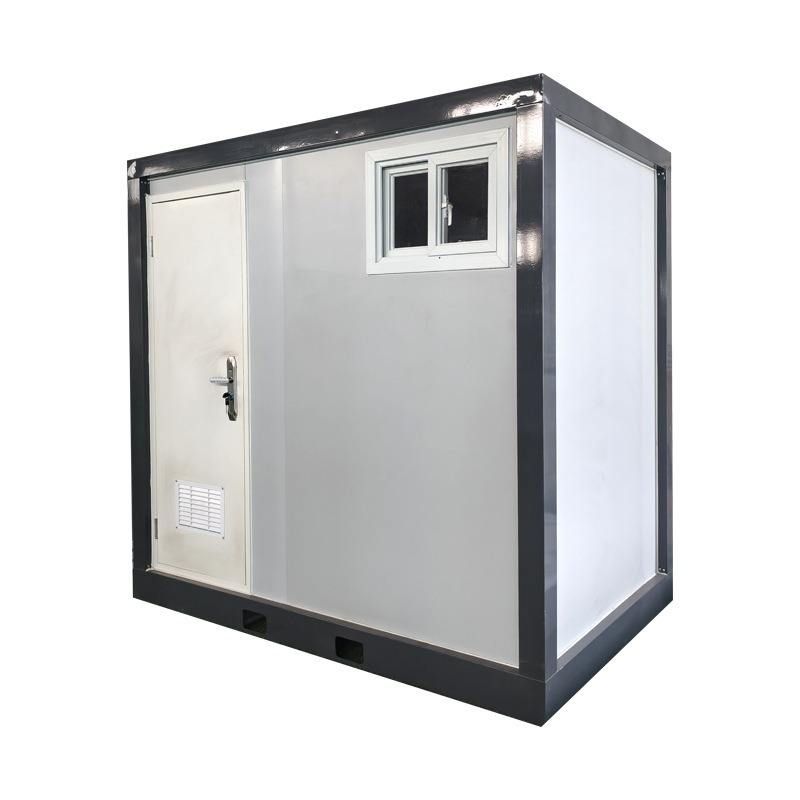
I. Advantages and Characteristics
Rapid Construction and Cost-Effectiveness: Container houses adopt a modular design. After being prefabricated in factories, they can be quickly assembled on-site without complex civil engineering construction. The installation period is 40%-60% shorter than that of traditional buildings. Their basic material is existing containers, which are relatively low-cost. A container with an interior area of about 13 square meters sells for approximately 12,000 yuan, with a price per square meter of nearly 900 yuan, much lower than housing prices in many areas.
Structural Strength and Durability: Containers are originally designed to withstand heavy loads and extreme weather conditions. Made of high-strength steel, they have better wind and earthquake resistance than ordinary portable panel houses. With appropriate reinforcement and modifications, such as rust prevention, fire prevention, and thermal insulation treatments, their service life can reach 15-20 years, and high-quality customized models can even exceed 30 years.
Flexibility and Portability: Container houses can be freely combined into different housing types according to needs, such as being stacked or spliced into lofts or multi-bedroom units. When adjusting the layout or relocating later, they can be transported as a whole by hoisting, with high secondary utilization efficiency. They are particularly suitable for temporary land use or scenarios that require frequent changes in location.
Low-Carbon Environmental Protection and Aesthetics: Container houses generate relatively little construction waste during the building process, and their main steel structures can be 100% recycled, in line with the concept of a circular economy. Their appearance can be transformed through cutting, painting, and adding doors and windows to create personalized spaces such as industrial or minimalist styles, greatly enhancing their aesthetics.
II. Shortcomings
Thermal Insulation and Heat Preservation Issues: The thermal insulation performance of low-end products cannot be guaranteed. It is necessary to choose products from manufacturers with quality assurances, which are usually about twice the price of low-end products.
Sound Insulation Issues: Metal materials have relatively good sound transmission effects, and their sound insulation performance may be poor. Additional sound insulation treatments are required to reduce noise interference.
Environmental Adaptability: Containers are greatly affected by the environment. They are prone to rust in humid or high-salt areas, and anti-corrosion materials and technologies are needed to extend their service life.



