
No-Sewer Mobile Toilet
A no-sewer mobile toilet is an environmentally friendly toilet that can handle waste without relying on traditional sewer systems. It is suitable for locations without access to water supply and drainage, using physical, biological, or chemical technologies to replace water flushing functions.
I. Core Technologies and Types The core of no-sewer mobile toilets lies in waste treatment technologies that replace water flushing, mainly falling into three categories:
- Vacuum Adsorption Type: Utilizes a negative pressure system to quickly collect waste and transport it through pipes to a storage tank, reducing odor diffusion. For example, the vacuum adsorption public toilets developed by Shandong Mingqi Technology use digital smart hardware to optimize user experience, addressing issues such as strong odors and high maintenance costs in traditional public toilets.
- Dry Packaging Type: Uses biodegradable odor-proof bags to package excreta, such as the Lappon Sunny wrapped toilet. It has specifications of 7 kg in weight and 46.5 cm in depth, equipped with 30 doses of coagulant and requiring an AC power supply. This technology achieves no-sewer treatment through automatically sealing odor-proof bags, with a tax-inclusive price of 121,000 yen, representing a cost reduction of nearly 40% compared to the previous generation.
- Circulating Treatment Type: Achieves wastewater recycling through biological degradation (e.g., microbial decomposition) or chemical treatment (e.g., adding disinfectants), but requires regular maintenance to prevent blockages or failures in the treatment system.
II. Core Advantages
- Environmental Friendliness: Completely eliminates the need for water resources, avoiding environmental pollution caused by wastewater discharge. Taking the dry packaging type as an example, the odor-proof bags are biodegradable, reducing plastic waste generation.
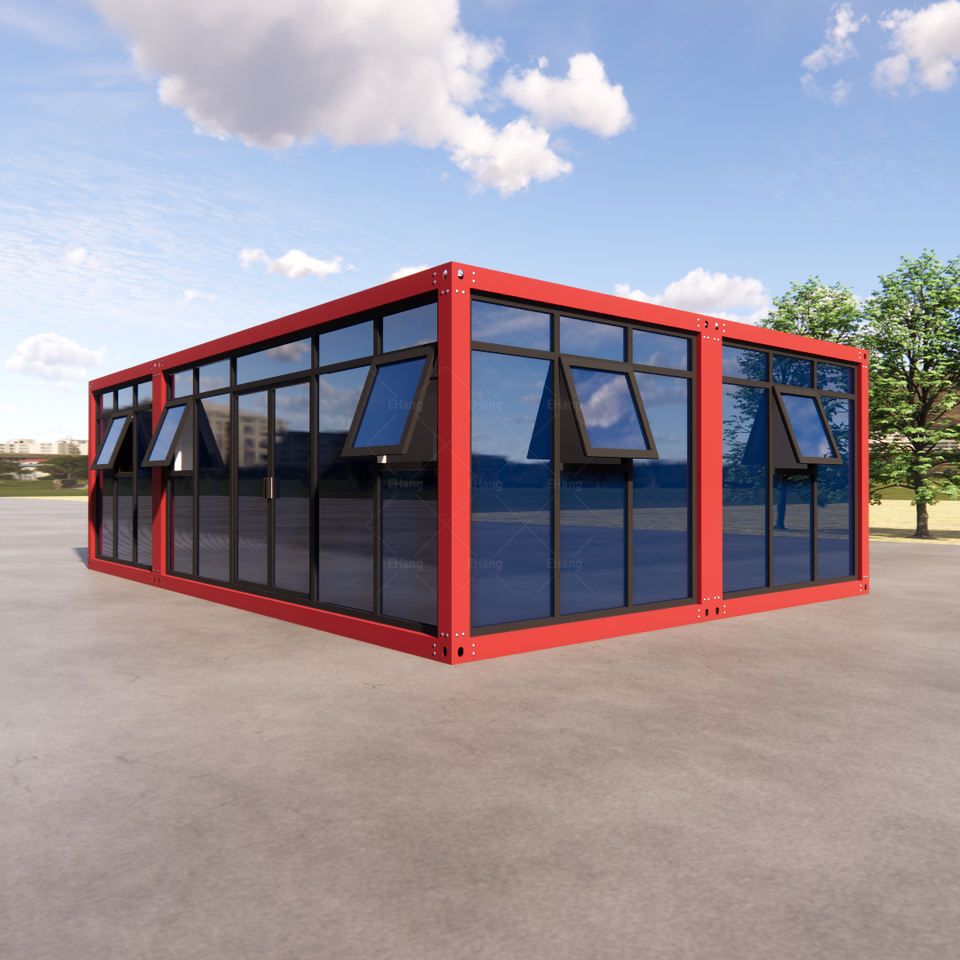
- Flexibility: Prefabricated and installed in factories, it can be moved as a whole, suitable for temporary or densely populated locations such as stations, construction sites, and tourist attractions. For example, vacuum adsorption public toilets can be quickly deployed in emergency scenarios.
- Economical Efficiency: Reduces labor and material costs. Although the circulating treatment type requires maintenance, it can reduce wastewater transportation costs in the long run; the dry packaging type simplifies the installation process through standardized design.
III. Typical Application Scenarios No-sewer mobile toilets have been widely used in water-scarce areas, temporary events, and ecological protection zones. For example, tourist attractions use the vacuum adsorption type to reduce odors, construction sites use the dry packaging type to lower maintenance frequency, and remote areas rely on the circulating treatment type to achieve self-circulation of wastewater. Their technological diversity makes them an important supplement to traditional toilets.



