
Production of Vehicle-mounted Mobile Toilets in Ningxia
The production of vehicle-mounted mobile toilets in Ningxia requires the integration of modular mobile toilet technical standards and vehicle modification requirements, focusing on lightweight structural design, the selection of environmentally adaptive materials, and functional system integration.
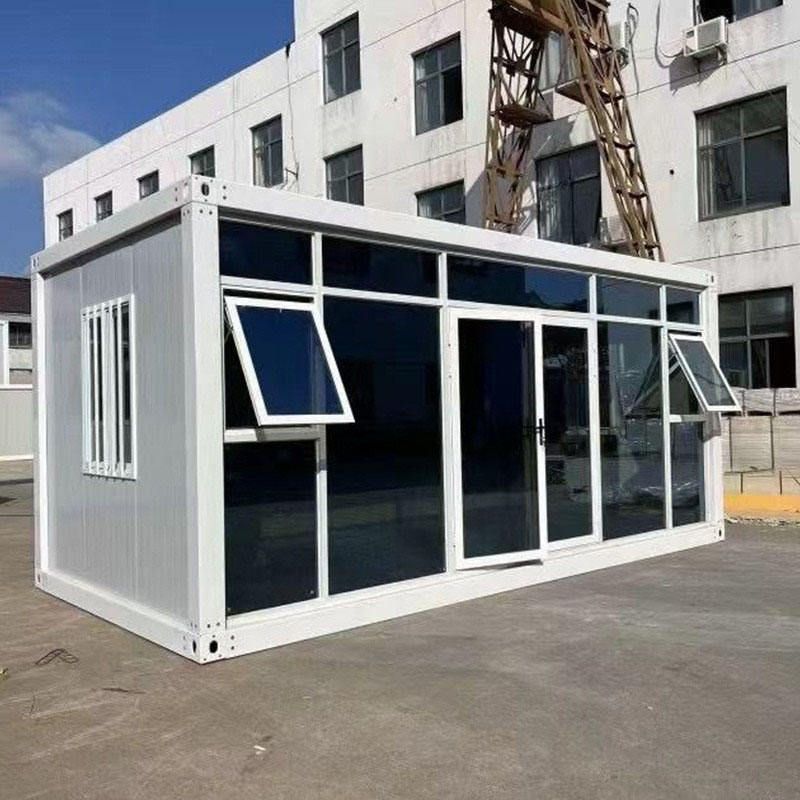
I. Main Structure and Lightweight Design
The main frame of the vehicle-mounted mobile toilet should adopt a lightweight steel structure system. By optimizing the cross-sectional dimensions of steel beams and the design of connection nodes, the self-weight can be reduced while ensuring structural strength, thereby adapting to vehicle load limits. For wall materials, double-layer color steel plates filled with rock wool insulation can be selected, which not only meet insulation requirements but also reduce overall weight through lightweight composite structures. It is recommended to use a sloped roof design with gutters to avoid additional loads on the roof caused by snow and water accumulation, while improving drainage efficiency.
II. Environmentally Adaptive Functional Systems
In response to the arid and windy climate characteristics of Ningxia, the following core functions need to be integrated:
- Sewage Treatment System: Priority should be given to selecting biodegradable treatment equipment, which reduces sewage volume through microbial decomposition technology and decreases reliance on external water sources. If space permits, a three-stage filtration and ventilation device can be added, utilizing a combination of physical filtration and biological purification to treat odors and enhance user comfort.
- Energy Supply System: Install a photovoltaic panel power supply system to utilize Ningxia's abundant sunlight resources to provide clean energy for lighting, ventilation, and other equipment, reducing reliance on vehicle batteries. Additionally, backup battery packs should be equipped to ensure continuous power supply during cloudy or rainy weather.
- Wind and Sand Resistance Design: Doors and windows should adopt highly sealed aluminum alloy materials and be equipped with dust screens. Adjustable louvers should be installed at ventilation openings to close during windy and sandy weather to reduce sand intrusion.
III. Vehicle Modification and Relocatability
For vehicle-mounted forms, it is essential to focus on compatibility with the vehicle:
- Chassis Fixation and Lifting Design: The toilet body should be fixed to the vehicle chassis using detachable bolt connections to ensure driving stability. Lifting holes should also be reserved to facilitate rapid disassembly and relocation to other locations using lifting equipment.
- Spatial Layout Optimization: Functional areas should be reasonably planned according to the internal dimensions of the vehicle. For example, sewage treatment equipment can be placed at the bottom of the vehicle's rear, and photovoltaic panels can be installed on the roof to maximize space utilization and maintain balance of the center of gravity.
IV. Construction Standards and Acceptance
The production process must strictly adhere to modular mobile toilet construction standards, including the welding quality of steel structures, the sealing of color steel plate joints, and the firmness of equipment installation. After completion, load tests and functional linkage tests should be conducted to ensure that the toilet structure remains stable and all systems operate normally during vehicle travel.



