Ningxia Mobile Environmental Toilet Design
The design of Ningxia's mobile environmental toilets focuses on modularity, environmental adaptability, and efficient resource utilization, achieving a balance between functionality and environmental protection through technological innovation. The specific design features are as follows:

1. Modular Structural Design
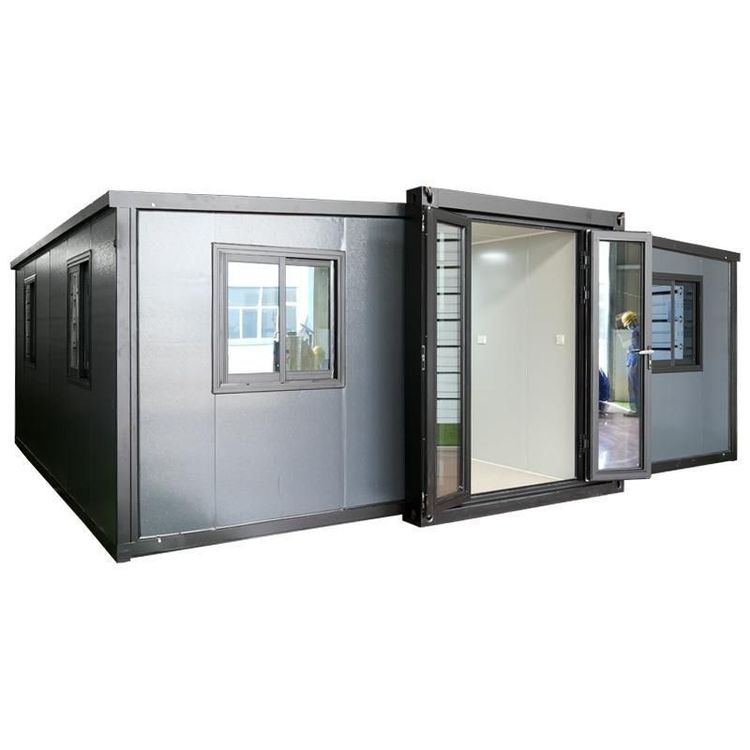
The main frame is made of lightweight alloy materials, enabling rapid assembly and disassembly through standardized interfaces, supporting repeated deployment at different sites while maintaining structural stability. The internal functional zoning follows ergonomic principles: the toilet area is equipped with a negative pressure ventilation system to control odor diffusion through air circulation; the handwashing area integrates a recirculating water treatment device that purifies handwashing water for toilet flushing, reducing water consumption. The modular design also allows for flexible adjustment of functional modules according to needs, such as adding barrier-free facilities or maternal and child care areas.
2. Environmental Adaptability Design
In response to Ningxia's climate characterized by large temperature differences between day and night and frequent sandstorms, the outer shell is made of weather-resistant composite materials with anti-corrosion and easy-to-clean surface treatments, capable of withstanding ultraviolet rays and sand erosion, extending service life. The temperature control system uses photovoltaic panels to drive ventilation equipment (for cooling in summer) or utilizes heat generated from biodegradation (for heating in winter), reducing reliance on external energy sources. For example, the heat released during microbial decomposition of feces can be recovered to maintain the internal temperature of the toilet.
3. Water-Saving and Waste Treatment Technologies
Low-pressure flushing systems or vacuum collection systems are used, consuming only one-third to one-half of the water used by traditional toilets. Some facilities integrate rainwater collection devices that filter rainwater for toilet flushing or green irrigation. Solid waste is rapidly decomposed within 48 hours into organic fertilizer through sealed fermentation chambers and microbial agents; liquid waste is treated using evaporation and condensation technology, with the separated clean water being recycled, achieving a 'zero-discharge' goal.
4. Energy Supply System
Solar photovoltaic panels serve as the primary energy source, powering lighting, ventilation, sensors, and other equipment; a backup power supply (such as batteries or small generators) ensures continuous operation during cloudy or rainy weather. The energy management system automatically switches between primary and backup power sources, prioritizing the use of clean energy to further reduce carbon emissions.
5. Flexible Deployment and Maintenance Management
The entire unit is transported via flatbed trailers and hydraulic lifting systems, requiring only connection to water and electricity interfaces on-site for installation, and can be put into use within 2 hours, making it suitable for emergency rescue, tourist attractions, and other scenarios. A remote monitoring system continuously monitors facility status (such as water level, power, usage frequency), optimizing maintenance plans through data analysis and reducing manual inspection costs.
6. Integration of Smart Technologies
Some facilities are equipped with sensor networks that monitor usage frequency, inventory levels (such as toilet paper, hand soap), and environmental parameters (such as temperature, humidity, air quality), predicting needs and automatically scheduling replenishments through algorithms. For example, when toilet paper levels fall below a threshold, the system sends a reminder to maintenance personnel, promoting an upgrade from single toilets to comprehensive sanitation service solutions.