
New Zealand Portable Toilets
There are various types of portable toilets in New Zealand, each with its own set of issues.
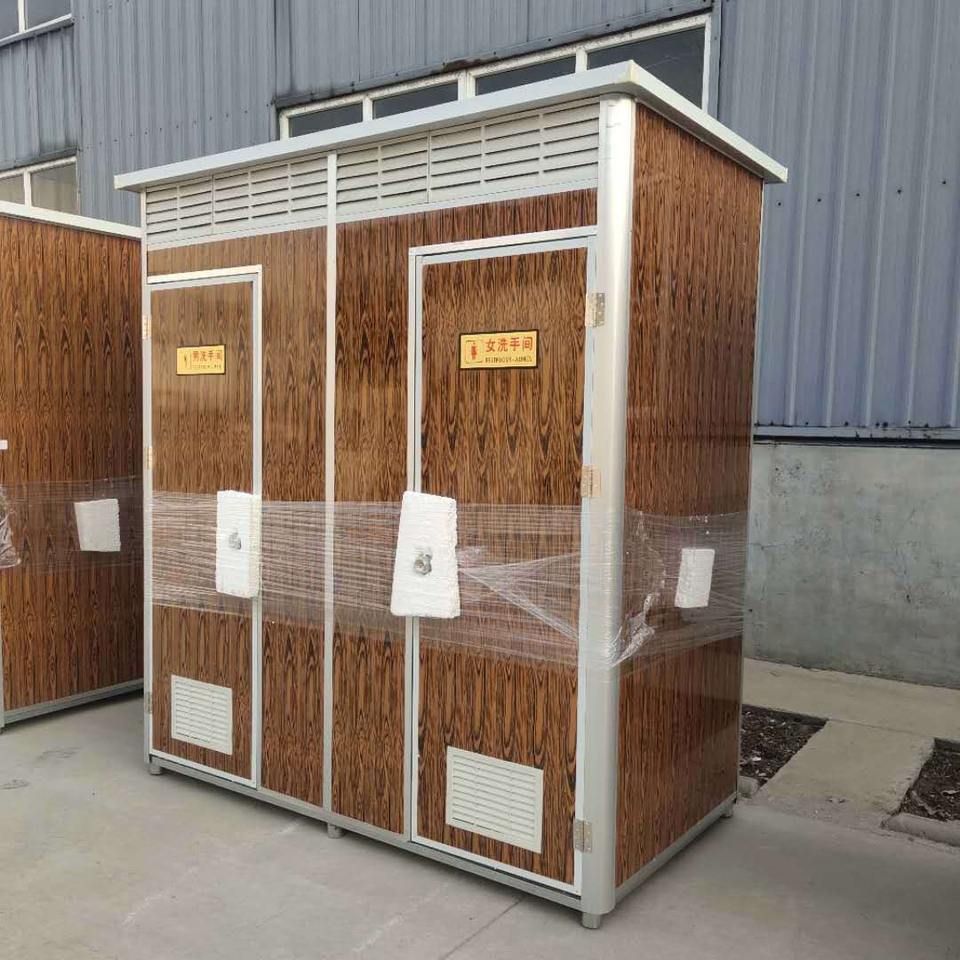
I. Temporary Construction Setup Type On Karangahape Road in Auckland, portable toilets were installed after the original public toilets were demolished due to the City Rail Link construction. However, these portable toilets have management issues; they are locked every night, leading to the presence of excrement in front of businesses and affecting the surrounding environmental hygiene. Moreover, the number of portable toilets in the vicinity is limited, with only two on Pitt St, which are also locked every night for fear of vandalism, failing to meet people's daily needs.
II. Mobile Trailer Type Some working holidaymakers have mentioned that some portable toilets in New Zealand are placed on mobile trailers and move with changes in construction or work locations, such as from train stations to vineyards. These portable toilets are relatively rudimentary, lacking water inside. They cannot provide water for handwashing, nor do they have basic flushing functions. Excrement slides away from the bottom plate relying solely on its own weight, raising concerns about hygiene.
III. Time-Limited Use Type New Zealand also has time-limited portable toilets, which are configured in many scenic spots. When a user presses the button to enter, a voice announcement informs that the toilet door will automatically open in ten minutes, followed by the start of music playback. However, the time limit may vary in different places. For example, a toilet in an Auckland mall once had a five-minute limit, which sparked protests from netizens and was later changed to ten minutes. This time-limit setting may be to prevent long-term occupation of the toilet and improve usage efficiency, but it also brings inconvenience to users.
IV. Prone to Theft Type Multiple portable public toilets in the Te Moana Gorge area of Timaru, New Zealand, have been stolen. The city council expressed helplessness, stating that although the toilets were protected by fences and guard posts before being stolen, they were still taken away. The city council had to spend NZ$5,000 to install new public toilets and consider moving them away in winter to prevent theft.



