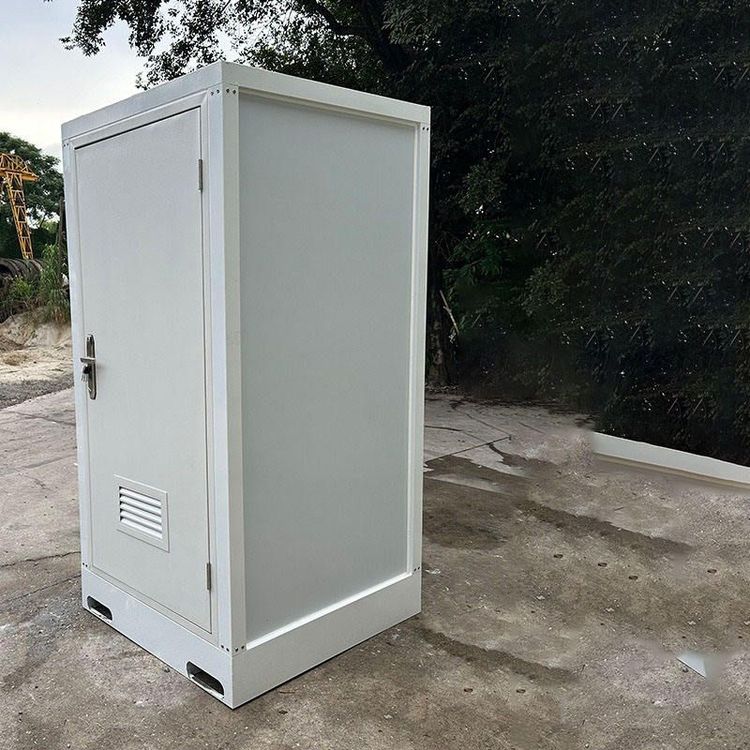
New Type Prefabricated House Panel
New type prefabricated house panels are houses built primarily with prefabricated panels, which are factory-made cement components with various types, development histories, existing issues, renovation policies, market conditions, and price characteristics.
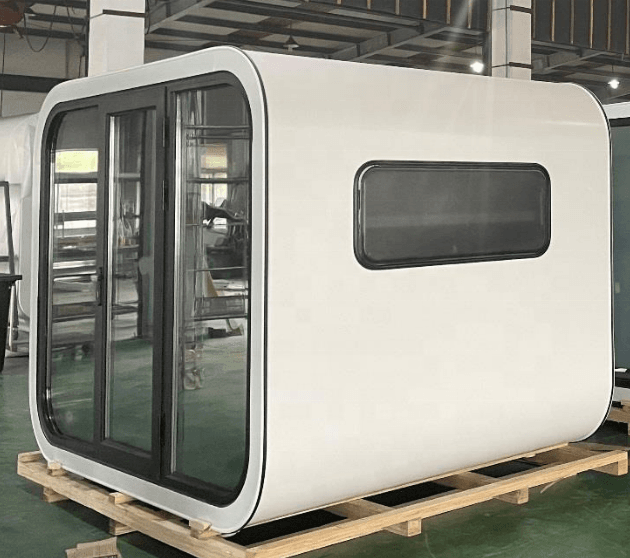
Types and Characteristics: Prefabricated panels come in two main types: solid and hollow. The hollow structure achieves lightweighting by reducing the non-load-bearing concrete.
Development History: Originating in the early 20th century, residential buildings constructed in China before 1985 predominantly used this type of structure. With advancements in construction technology, cast-in-place concrete and prefabricated buildings have gradually replaced traditional prefabricated panel houses, with the construction period of prefabricated buildings being 30% shorter than traditional methods.
Existing Issues: They generally suffer from weak earthquake resistance, poor sound and thermal insulation, and have a lifespan of about 30-50 years, significantly shorter than modern reinforced concrete structures. Inspections in 2024 revealed that over 35% of prefabricated panel houses have safety hazards, including wall cracks, loose floor slabs, and steel bar corrosion.
Renovation Policies: Since 2022, renovation policies have been implemented, focusing on repairs and renovations, with only buildings meeting hazardous standards being demolished. By the end of 2025, the renovation of urban old residential communities built before the end of 2000 that require renovation will be basically completed. Renovations adopt a differentiated strategy combining 'preservation and renovation' with 'demolition and reconstruction,' with nearly 65% of renovation projects nationwide adopting preservation and renovation methods, and about 35% adopting demolition and reconstruction methods.
Market Conditions: They mainly come in three forms: steel, concrete, and wood, with Chinese companies having advantages in steel and concrete. Industrialization, digitization, and automation have transformed house construction from 'on-site building' to 'factory manufacturing.' In the first four months of 2026, exports of mobile homes in Guangzhou, Shenzhen, and other places increased significantly.
Price Conditions: Market product prices vary. In rural house construction, using prefabricated panels for a 100-square-meter house can save 20,000 to 40,000 yuan compared to cast-in-place concrete. However, the price of new prefabricated composite panels may be higher than that of cast-in-place concrete.