New Mobile Container House
The new mobile container house is a prefabricated building product that uses containers as its basic structural units. Through modular design and industrial production, it features mobility, rapid construction, and strong environmental adaptability. The following is an introduction from several aspects including design principles, performance characteristics, application scenarios, and industry development trends:

Design Principles
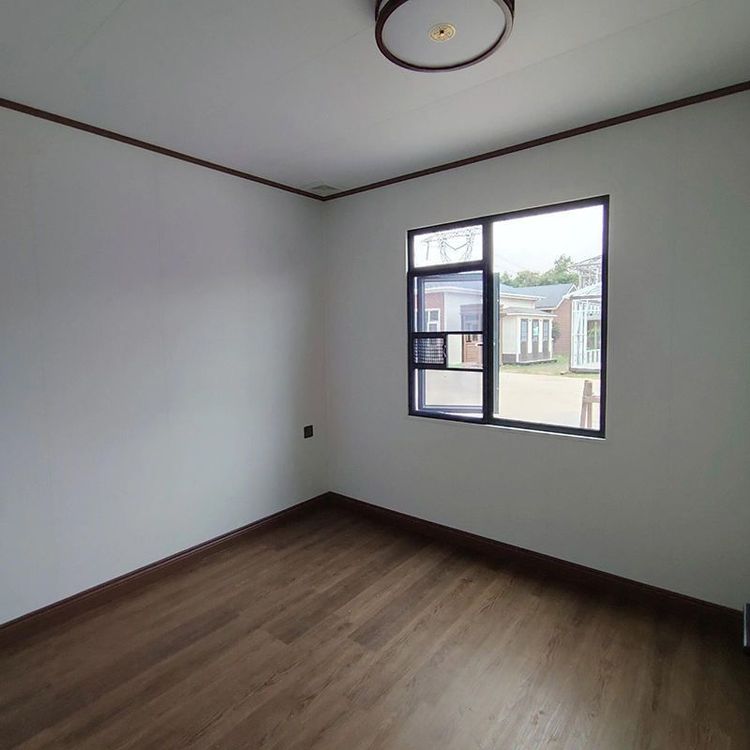
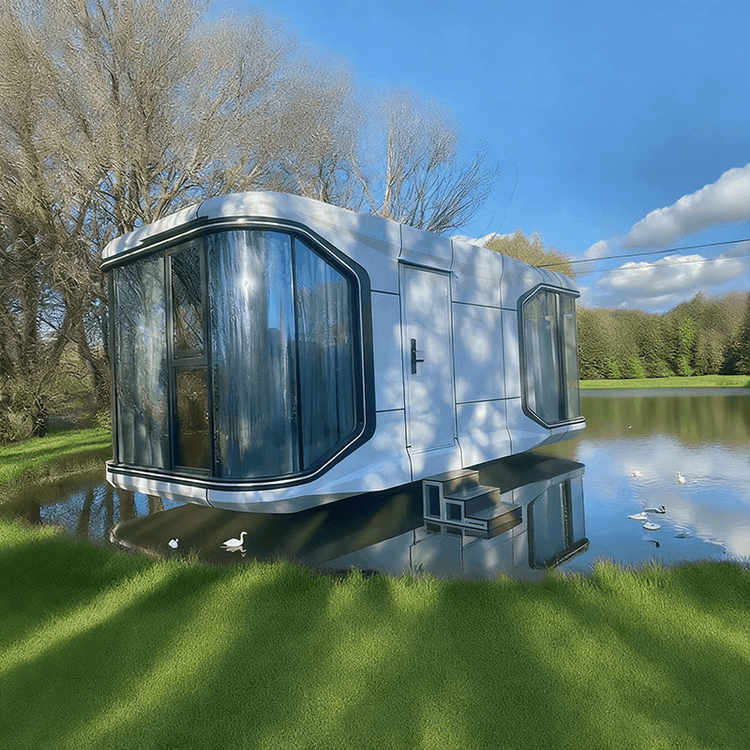
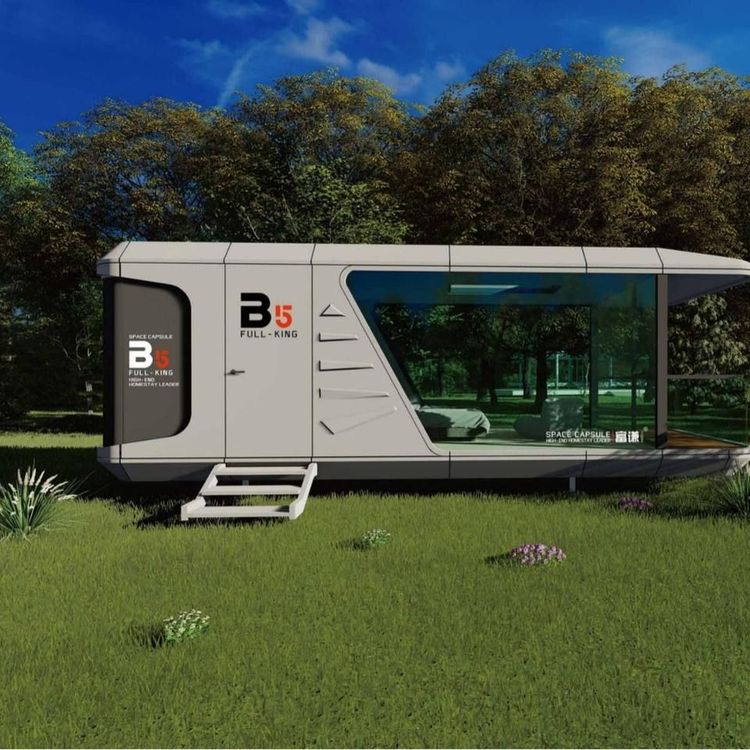
The new mobile container house typically uses a steel frame as its skeleton and modifies the rigid structure of traditional containers. The interior and exterior wall panels are made of thermal insulation materials such as rock wool or polyurethane, with reserved openings for doors, windows, and water and electricity pipelines. Some products also adopt curved or rounded exterior designs to enhance visual appeal and optimize wind resistance and drainage performance. All components are prefabricated in the factory, and only lifting and simple connections are required on-site for immediate use.
Performance Characteristics
- Thermal Insulation: The walls are filled with high-density insulation materials and are combined with moisture-proof and ventilation layers to form a multi-layer protective system that maintains a comfortable indoor temperature under various climatic conditions.
- Wind and Earthquake Resistance: The steel structural frame is calculated and reinforced to withstand high wind speeds and earthquake impacts, meeting the usage requirements of most natural scenarios.
- Mobility and Reusability: It is mobile and can be flexibly adjusted in layout or reused at different locations according to needs, with relatively low relocation and resettlement costs.
Application Scenarios
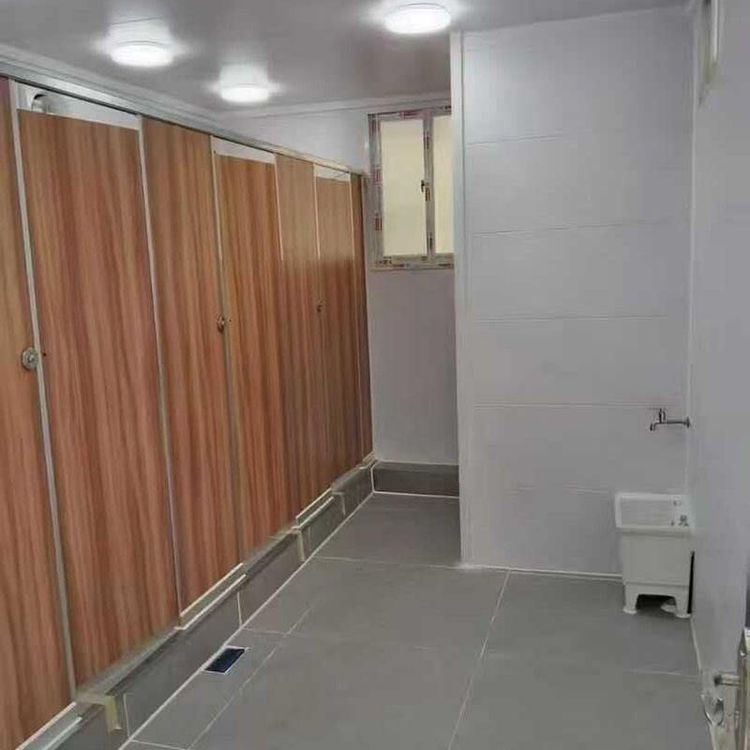
It is widely used in various fields such as temporary offices, accommodations, event support facilities, cultural tourism homestays, new energy support facilities, commercial districts, park services, and engineering temporary buildings. For example, it can serve as homestay guest rooms or accommodation units in camping sites in natural environments such as seashores, forests, and lakesides; and as temporary rest or service facilities at fishing grounds and scenic area entrances.
Industry Development Trends
- Scenario Segmentation Drives Product Customization Upgrades: Single standardized containers find it difficult to meet complex needs, and the proportion of customized demands for protective performance, interior functions, and exterior styling continues to rise.
- Continuous Extension of the Service Chain: Competition in the industry has shifted from mere product manufacturing to a competition for capabilities in the entire chain of design, production, installation, and after-sales services.