Advantages of Container Houses in Nehe City
The advantages of container houses in Nehe City are mainly reflected in construction efficiency, cost-effectiveness, adaptability, and environmental friendliness, as detailed below:

1. Fast Construction Speed, Responding to Urgent Needs
Container houses adopt prefabricated modular design, with the main structure produced in factories and only requiring assembly and connection on-site. Compared to traditional buildings, their construction time can be reduced by 50%-70%, typically taking a few days to a few weeks to complete. This feature makes them highly advantageous in emergency scenarios such as post-disaster reconstruction, temporary medical stations, and on-site accommodations, enabling rapid deployment.
2. High Cost-Effectiveness, Reducing Lifecycle Expenses
Material and construction costs are 30%-50% lower than those of traditional buildings, with lower maintenance costs in the long run. The modular design of container houses reduces the complexity of on-site construction, minimizing labor and material waste. Additionally, their structural durability reduces the frequency of long-term repairs, making them suitable for projects with limited budgets or those seeking cost-effectiveness.
3. Strong Flexibility and Mobility, Adapting to Dynamic Needs
The houses can be entirely disassembled, reassembled, or transported, making them suitable for scenarios requiring frequent relocation, such as temporary offices, event venues, and construction site dormitories. If the project location changes, container houses can be relocated to the new site and reassembled, avoiding the costs of repeated construction and significantly improving resource utilization.
4. Robust and Durable Structure, Strong Risk Resistance
Designed for maritime transport, container bodies are made of high-strength steel, capable of withstanding extreme weather conditions (such as strong winds and heavy rain) and external impacts. Their service life can reach 15-20 years, and with high-quality materials and regular maintenance, it can even be extended to over 30 years, far exceeding that of some traditional temporary buildings.
5. Environmentally Friendly and Energy-Efficient, Aligning with Sustainable Development Concepts
Container houses have a recycling rate of up to 90%, significantly reducing construction waste. Through the use of insulation materials and natural ventilation design, their energy consumption is 20%-30% lower than that of traditional buildings. The factory prefabrication model reduces on-site construction pollution, achieving 'zero' emissions. Moreover, their low-carbon production process complies with green building standards, contributing to carbon neutrality goals.
6. Highly Versatile, Meeting Customized Needs
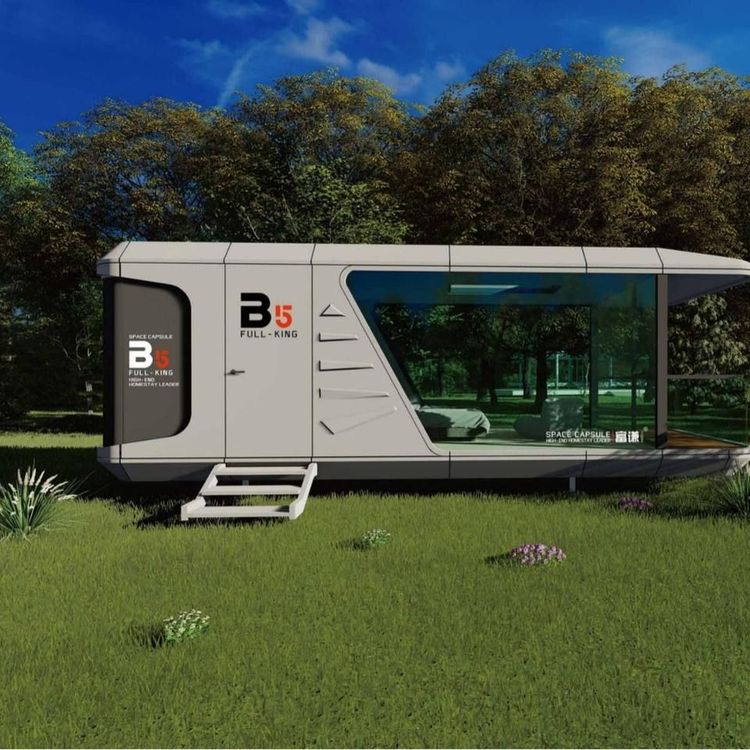
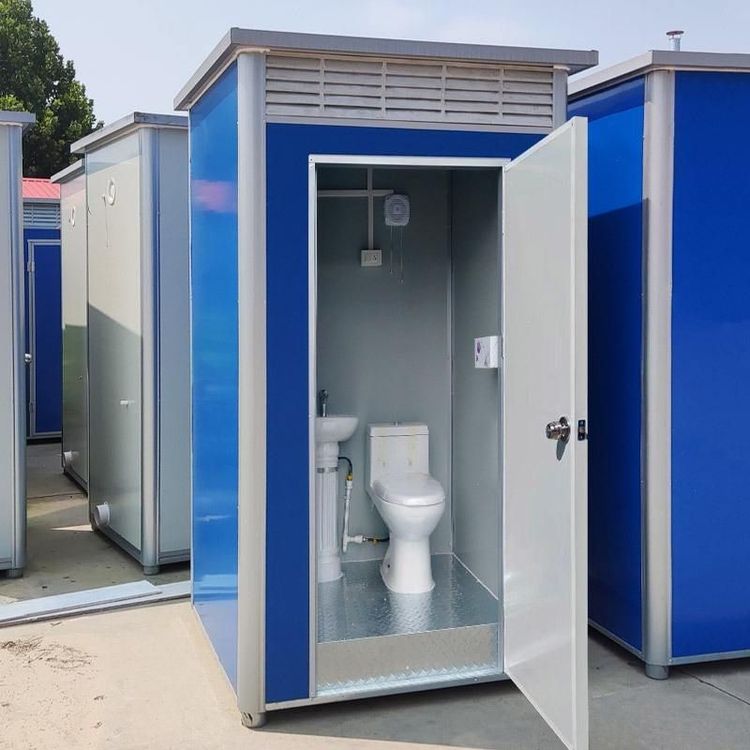
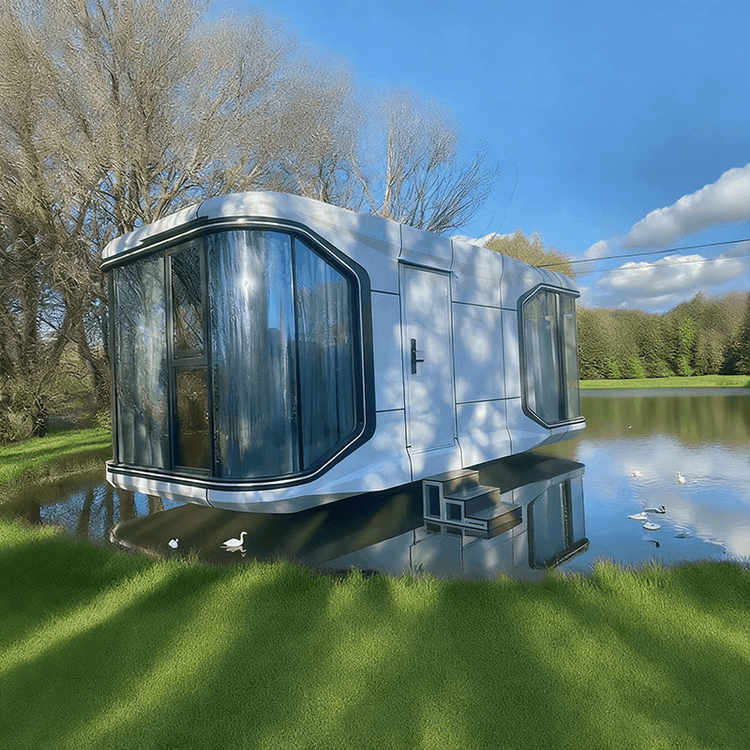
The internal space of the houses can be transformed to serve various functions, such as offices, shops, residences, and medical stations. The modular design supports flexible layouts, allowing users to adjust the number of rooms, window and door positions, and interior decorations according to their needs, adapting to the personalized requirements of different scenarios.
7. Standardized Production, Ensuring Stable and Controllable Quality
Container production follows international standards (such as ISO 1496), with uniform dimensions and load-bearing parameters, reducing construction errors. The factory production model ensures material quality and process precision, avoiding quality fluctuations caused by manual operations in traditional construction and enhancing overall safety.
8. Excellent Sealing Performance, Ensuring Safe Use
Stringent sealing processes ensure the airtightness and watertightness of container houses, effectively preventing rain leakage and moisture problems. This feature is particularly important in cold or humid regions, protecting internal equipment and furniture from corrosion and extending the overall lifespan of the houses.