
Materials for Nearby Mobile Toilets
The commonly used materials for nearby mobile toilets mainly include color-coated steel plates, high-strength plastics, and fiberglass.
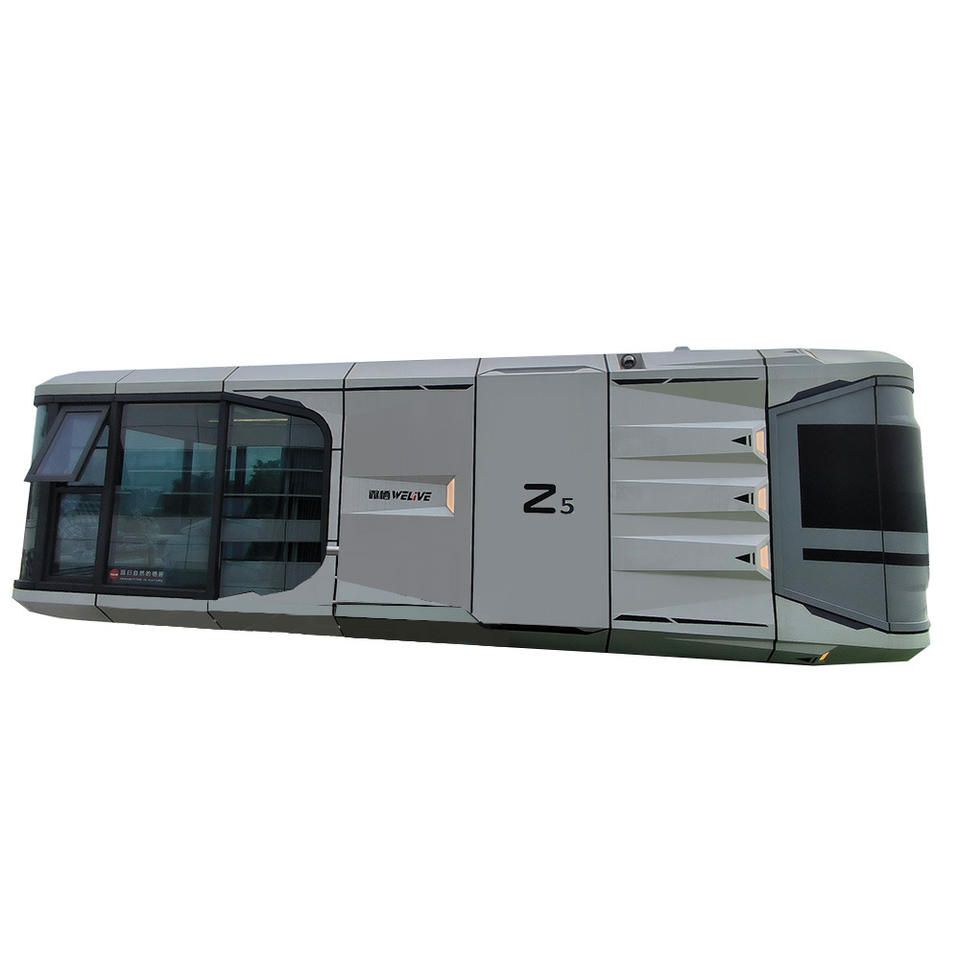
Color-coated steel plates: Color-coated steel sandwich panels are a common material for the roof and walls of mobile toilets. They are composed of two layers of color-coated steel plates with a layer of insulation material (such as polystyrene foam board) sandwiched in between. This structure gives color-coated steel plates sufficient strength to withstand a certain amount of external impact, ensuring the structural stability of mobile toilets during use. Moreover, the surface of color-coated steel plates undergoes special treatment, providing good corrosion resistance and enabling them to adapt to different outdoor environments. Their appearance is relatively attractive, and they can be put into use directly without secondary decoration, greatly saving construction time and cost. In temporary event venues or scenarios requiring rapid setup, color-coated steel mobile toilets can quickly meet people's toilet needs.
High-strength plastics: High-strength plastic materials have numerous advantages that make them highly suitable for mobile toilets. They offer excellent durability, being able to withstand frequent use and handling without easy damage. At the same time, high-strength plastics have waterproof and moisture-proof properties, which are crucial for mobile toilets. In outdoor environments, it is inevitable to encounter rain and humid air. High-strength plastics can effectively prevent water penetration, protecting the internal structure and facilities of the toilet from damage and extending the service life of mobile toilets. In addition, high-strength plastics are easy to clean and maintain. Simply rinsing with water or wiping with a simple cleaning agent can keep the toilet clean and hygienic.
Fiberglass: Fiberglass is usually used for the roof of mobile toilets. It has excellent thermal insulation properties, effectively blocking the transfer of external heat. In hot summers, it can reduce the temperature rise inside the toilet, providing a relatively cool environment for users; in cold winters, it can play a certain role in heat preservation, reducing the loss of indoor heat. At the same time, fiberglass also has good sound insulation properties, reducing the interference of external noise to the interior of the toilet and creating a quiet toilet space for users.



