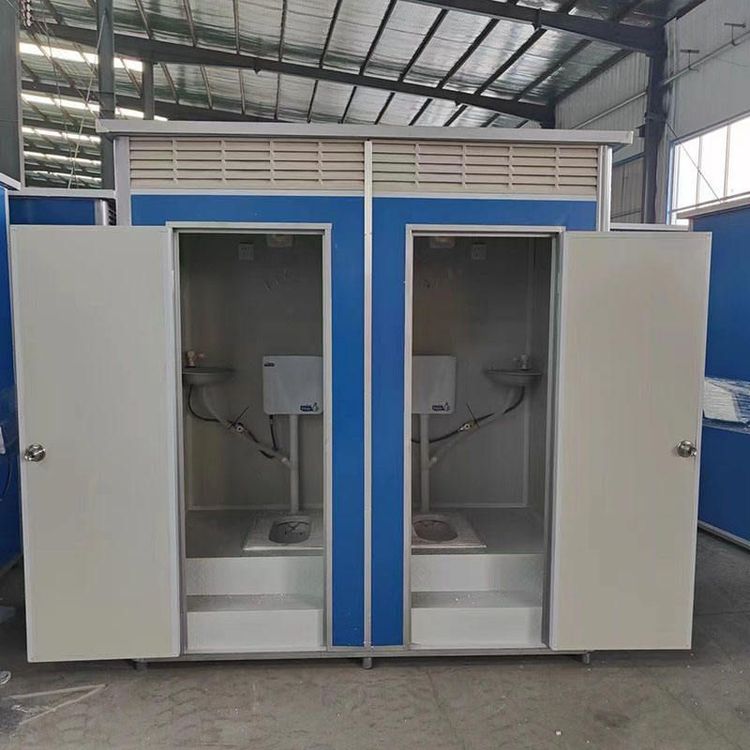
National Prefabricated Housing
National prefabricated housing is a building model that involves the industrial production of building components and their on-site assembly, characterized by high efficiency, environmental friendliness, and significant export growth, with the future market size expected to continue expanding.

Definition and Types
Prefabricated housing, also known as prefabricated modular construction, involves the industrial production of building components (such as beams, slabs, walls, and columns) and their assembly on-site. The main types include panel-based, box-based, and frame-based modular construction, with technologies encompassing prefabricated concrete structures and steel structures. Modular construction represents a more integrated model, where buildings are broken down into independent modules, manufactured in factories, and then transported to the site for assembly.
Development History
China's prefabricated concrete technology began in the 1950s, initially applied in factory and residential construction. In the 21st century, it has seen a resurgence due to its production efficiency and environmental advantages. Companies like Vanke Group have developed prefabricated shear wall residential structural systems and applied prefabricated frame technologies in engineering projects.
Industrial Advantages
1. Efficiency Improvement: The China Construction Hailong Intelligent Construction Industrial Park in Shenzhen, Guangdong, has an annual delivery capacity of approximately 20,000 to 30,000 modular buildings, with construction periods reduced by over 60% compared to traditional buildings. A social housing project in Shanghai, assembled from 6,028 concrete modules, saw its completion and delivery time reduced from 2.5-3 years to 1 year, with on-site labor reduced by about 50%.
2. Environmental Benefits: Regions like Fujian have established industrial bases through policy support, achieving a reduction in construction waste by over 70% and significantly lowering noise and dust pollution.
3. Export Growth: In the first four months of 2026, the Guangzhou Customs District exported 1.4 billion yuan worth of mobile homes, a year-on-year increase of 38.1%; nationwide, enterprises exported 1.68 billion yuan worth of mobile homes through the Shenzhen port, a year-on-year increase of 19.6%, covering over 150 countries and regions.
4. Global Demand: The global construction of data centers is driving demand for modular buildings. Jiangmen CIMC Digital Energy Equipment Co., Ltd. has delivered over 1,000 megawatts of installed capacity in modular prefabricated data center projects, covering Malaysia, Indonesia, the Middle East, Italy, and other locations.
Future Trends
Market research institutions predict that the global modular construction market size will exceed $142.8 billion by 2030. China is leveraging its full industrial chain advantages to transform 'house building' into a standard industrial product export business, driving the prefabricated housing industry to higher levels of development.