
Nantong Street-side Portable Toilet
Nantong street-side portable toilets are temporary sanitation facilities suitable for outdoor events, construction projects, and other scenarios. They feature flexible deployment, quick installation, and strong adaptability, enabling the rapid establishment of a toilet environment that meets basic sanitation standards in places lacking professional sanitation infrastructure.
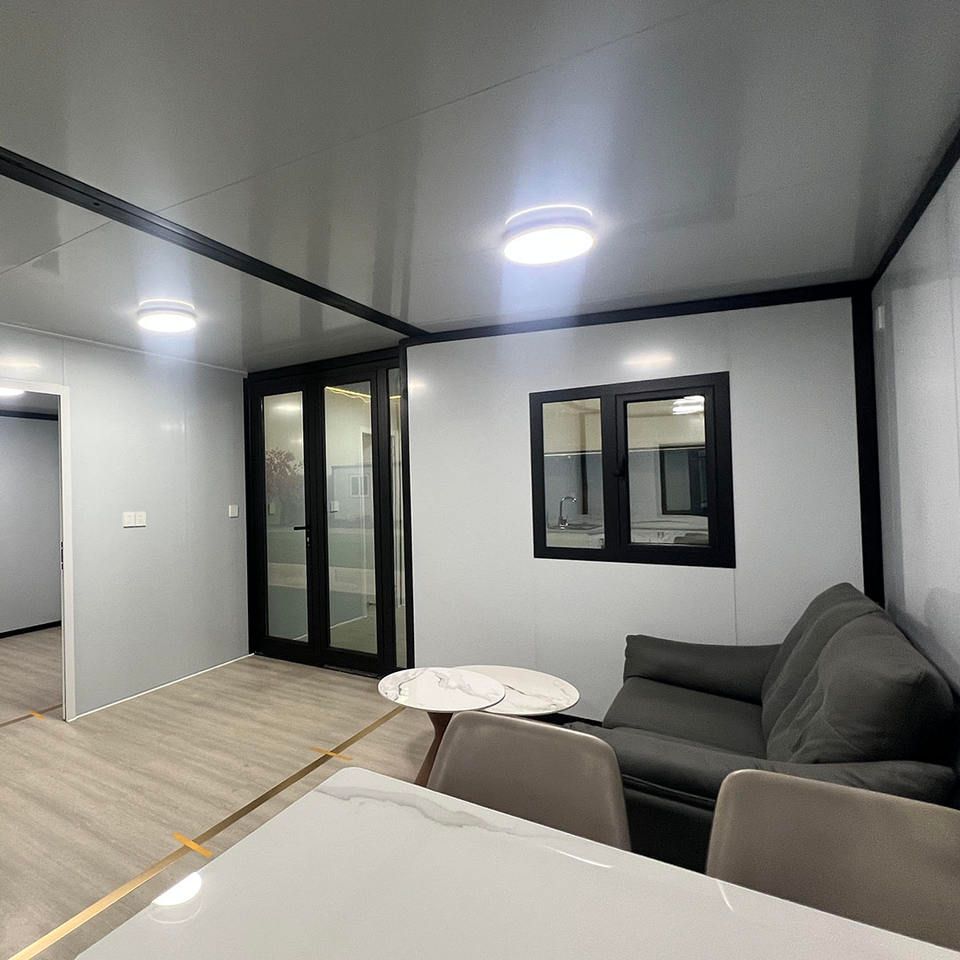
From an engineering perspective, Nantong portable toilets are constructed based on the concepts of disassembly and rapid deployment. The main body includes a load-bearing frame, enclosure panels, internal sanitary fixtures, and supporting storage, transportation, and treatment systems. Each component adheres to industrial design standards to ensure stability and basic functionality in outdoor environments.
In terms of types and structures, they are divided into single-unit and frame-type models based on their structure. Single-unit toilets are complete, independent boxes that are easy to transport and hoist, making them suitable for spaces with limited room or short-term use. Frame-type toilets adopt a modular design, allowing for rapid on-site assembly. They can be combined into multiple toilet stalls or even toilet units with management rooms, making them ideal for events or construction sites with high foot traffic and longer usage periods. Based on sewage disposal methods, they are mainly classified as direct-discharge, suction-type, and bagging-type. Direct-discharge toilets are typically connected to pre-dug septic tanks and are suitable for sites with fixed sewage discharge points and longer usage times. Suction-type toilets have black water tanks at the bottom to store waste, which are then emptied by specialized sewage suction trucks when full. This is the most widely used type, offering flexibility and hygiene. Bagging-type toilets use biodegradable plastic bags for sealed packaging, with automatic replacement after each use, requiring no water at all. They are particularly suitable for wilderness environments without water or electricity supply or scenarios with extreme environmental protection requirements.
In terms of functionality and configuration, modern outdoor portable toilets emphasize practicality and comfort. Basic configurations typically include squat or sit toilets, storage shelves, handrails, lighting, ventilation fans, and coat hooks. To enhance the user experience, many suppliers also offer upgrade options, such as adding sinks (which can be paired with pressure water tanks or small water storage tanks), mirrors, thermal insulation cotton layers for winter use, and even small heaters. Regarding environmental protection and hygiene, a good ventilation system ensures air circulation and reduces odors. High-efficiency odor-proof toilets or sealing devices effectively isolate odors. Toilet materials such as fiberglass-reinforced plastic and color-coated steel plates are sturdy, durable, wind-resistant, and rain-resistant, facilitating easy cleaning and disinfection. The interior floors often feature anti-slip designs to ensure safety during use.



