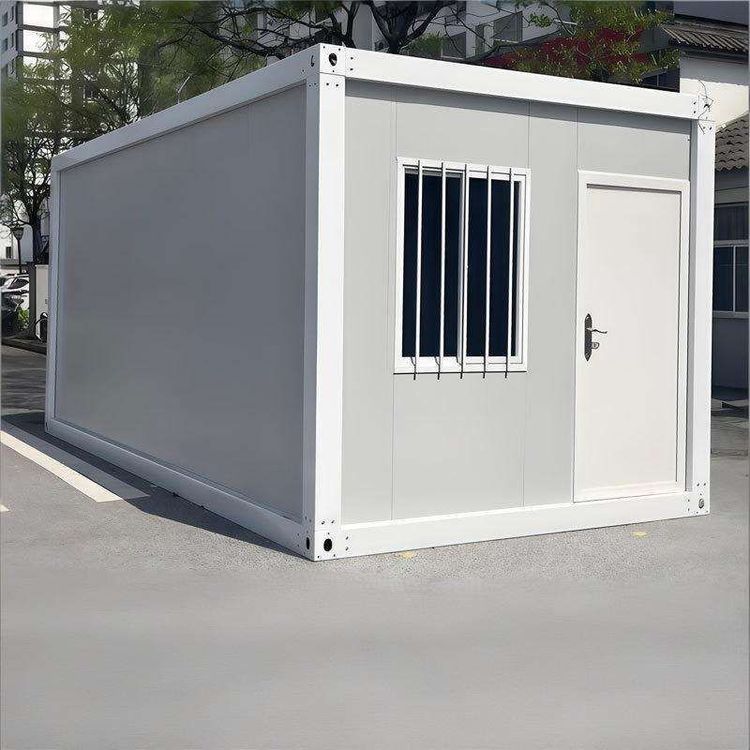
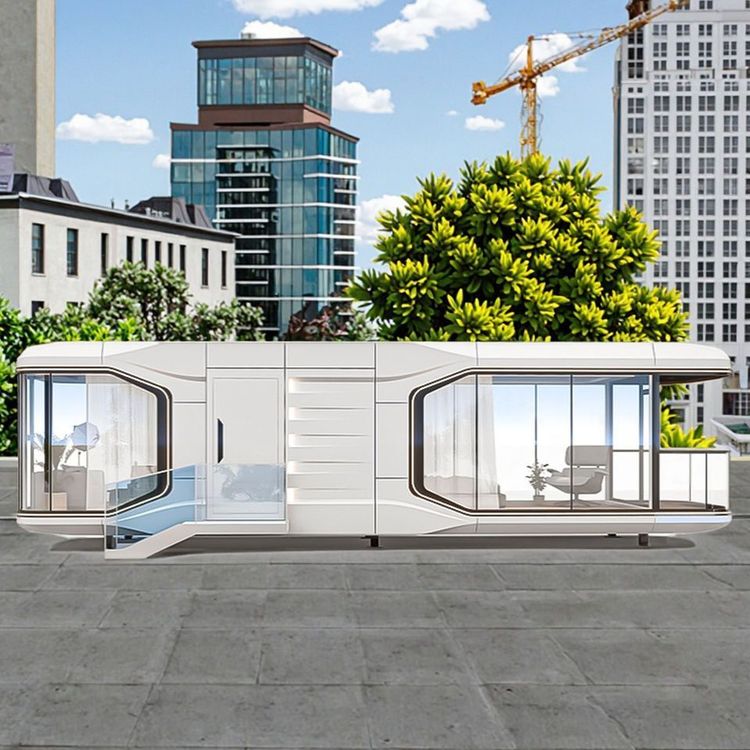
Nanning Waterless Mobile Toilet
Some mobile toilets in Nanning adopt waterless or micro-flush technology, using biodegradable film encapsulation or foam sealing to handle waste, suitable for areas without underground sewage networks or temporary scenarios.

Technical Principles and Structural Features
The core of Nanning's waterless mobile toilets lies in the innovation of waste treatment methods. Their toilet systems achieve waterless or micro-flush operation through two main technologies:
- Biodegradable Film Encapsulation Technology: The toilet is equipped with an automatic film-changing device below. After each use, biodegradable film wraps and seals the excreta, forming an independent package that falls into the waste storage tank. The film material is usually bio-based or starch-based, which can quickly degrade in the natural environment, avoiding the sewage production of traditional flush toilets.
- Foam Sealing Technology: A high-density foam is injected into the toilet through a foaming device. The foam covers the surface of the excreta, forming a sealing layer that isolates odors and reduces bacterial growth. The surfactants in the foam can reduce the adhesion of excreta, and a small amount of flushing water (usually ≤0.5L/time) can complete the cleaning, significantly reducing water consumption.
The toilet body is made of high-strength composite materials or specific polymers, featuring lightweight, corrosion resistance, and UV resistance, adaptable to complex outdoor environments. It integrates ventilation devices (such as forced exhaust or natural ventilation designs) and waste storage equipment (such as detachable waste storage tanks or biodegradation tanks), forming an independent and circulating micro-sanitation treatment space without relying on external sewage networks.
Application Scenarios and Advantages
The design of such mobile toilets emphasizes rapid assembly and disassembly. The assembly time for a single module can be shortened to within 1 hour, and there is no need to excavate foundations or lay pipelines. Therefore, they are widely used in the following scenarios:
- Areas without underground sewage networks: Such as rural areas, mountainous regions, and undeveloped areas of scenic spots around Nanning, solving the problems of high construction costs and difficult maintenance of traditional toilets.
- Temporary demand scenarios: Such as large-scale events (China-ASEAN Expo, marathon events), construction sites, and disaster emergency rescue operations. The number of toilets can be flexibly adjusted according to pedestrian density to avoid resource waste.
Their core advantages lie in environmental friendliness and cost-effectiveness: Waterless or micro-flush technology reduces sewage discharge and lowers sewage treatment pressure; the use of biodegradable materials and foam agents reduces chemical pollution; modular design reduces transportation and installation costs, suitable for long-term or repeated use.
Maintenance and Management Points
To ensure the normal operation of waterless mobile toilets, regular maintenance is required as follows:
- Waste storage equipment cleaning: Depending on the frequency of use, empty the waste storage tank every 1-3 days to avoid overflow; add microbial agents to the biodegradation tank regularly to accelerate decomposition.
- Film/foam agent replenishment: Check the remaining amount of consumables in the automatic film-changing device or foam generator, and promptly replace the biodegradable film rolls or replenish the foam concentrate.
- Ventilation system inspection: Clean the exhaust vent filters to ensure air circulation and prevent odor accumulation.