
Nanning Mobile Toilet Base
The base of Nanning mobile toilets is usually welded from channel steel or I-beams, and its design and material selection have clear engineering logic and functional adaptability. The following explains this from three aspects: structure, materials, and advantages:
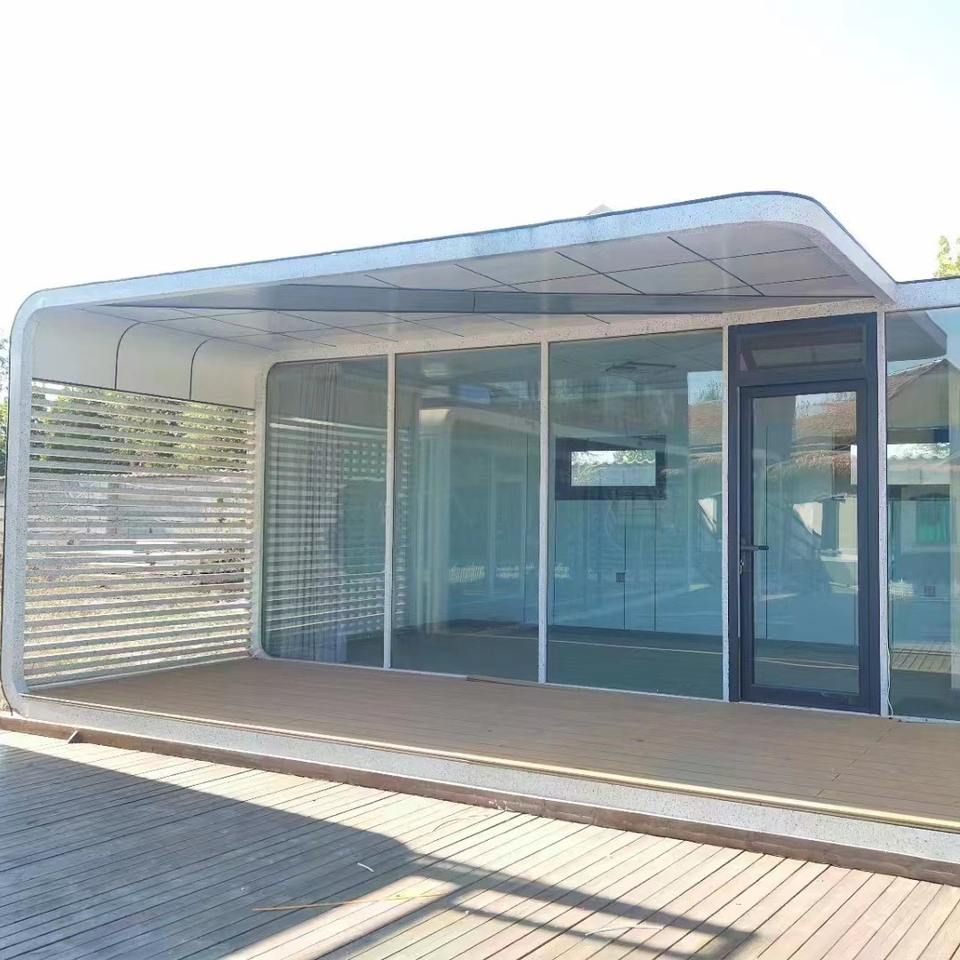
1. Structural Form and Functional Adaptation
The base of Nanning mobile toilets adopts a frame structure, which is formed by welding channel steel or I-beams to create a stable foundation frame. This design primarily serves the lifting requirements of mobile toilets—the frame structure can evenly distribute the stress during lifting, avoiding local deformation while providing sufficient rigidity and torsional resistance to the overall structure. The columns usually use square steel to form vertical supports with the base frame, further enhancing overall stability. Some high-end models use high-quality aluminum alloy profiles for support columns, which, through the cross-sectional design of the profiles (such as hollow structures), reduce weight while ensuring strength, facilitating transportation and installation.
2. Material Characteristics and Selection Basis
- Channel steel/I-beams: As the main material for the base, their advantages lie in high strength and good welding performance. The open cross-section design of channel steel can disperse vertical loads, while the flange structure of I-beams is more suitable for bearing bending moments. Both can meet the load-bearing requirements of mobile toilets during long-term use (such as personnel activities and equipment weight).
- Aluminum alloy profiles: When used for support columns, their corrosion resistance is a core advantage. Nanning is located in the subtropics with a humid climate, and the oxide film formed on the surface of aluminum alloys can effectively resist chemical corrosion in humid environments, extending service life. Additionally, the lightweight nature of aluminum alloys (with a density about one-third that of steel) reduces overall weight, while surface treatment technologies (such as anodizing) ensure long-lasting color retention and enhance aesthetics.
3. Structural Advantages and Engineering Significance
Another advantage of the frame structure is modular design. Components such as the base, columns, and walls can be quickly assembled through standardized interfaces, shortening construction periods. Meanwhile, the welding process ensures the integrity of the structure, making it less prone to loosening compared to bolt connections, especially suitable for scenarios requiring frequent movement or repositioning (such as temporary exhibitions and outdoor events). The application of aluminum alloy support columns further optimizes structural performance, reducing material usage while maintaining strength, meeting the dual requirements of lightweight and durability.
In summary, the base design of Nanning mobile toilets achieves a balance between load-bearing capacity, durability, portability, and aesthetics through material selection and structural optimization, providing a reliable foundation for the stable use of mobile toilets.



