Binhai Mobile Environmental Toilet
The Binhai mobile environmental toilet is an integrated and modular sanitation facility, featuring flexible leasing, eco-friendly waste treatment, and rapid installation. It is widely used in temporary events, construction sites, and coastal sightseeing areas in the Binhai New Area.

Leasing Services and Facility Types
The leasing service for Binhai mobile environmental toilets has formed a mature industrial chain, offering a diverse range of options from basic models to high-end models with fragrance. Based on technology types, they are classified as biodegradable and chemical treatment models:
- Biodegradable models rely on microorganisms to decompose waste, eliminating the need for connection to sewers, and are suitable for temporary outdoor events;
- Chemical treatment models decompose waste by adding chemicals and are commonly used in situations requiring rapid installation.
Both types are capable of independent operation without being restricted by fixed pipelines.
Facility Structure and Functional Design
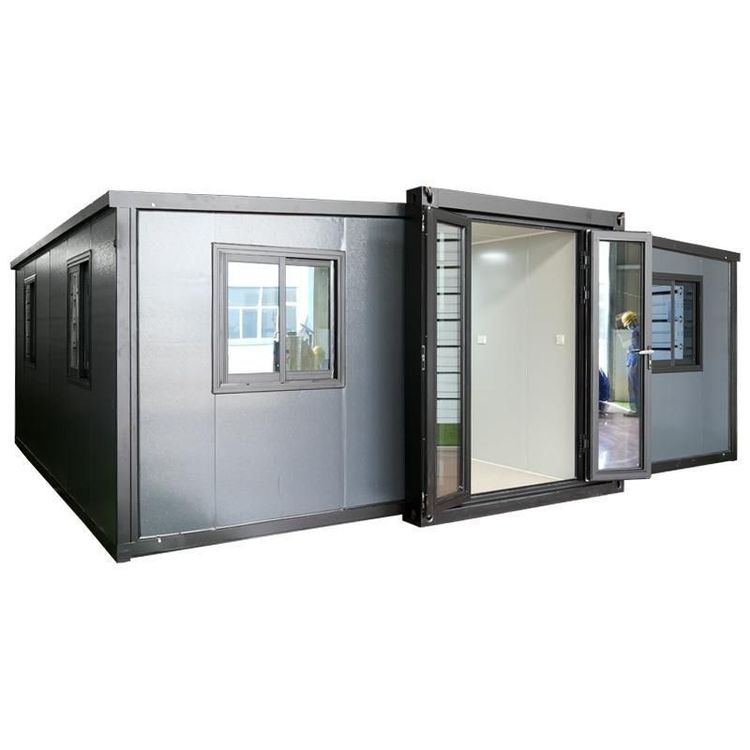
The mobile toilet adopts a stainless steel frame and eco-friendly composite material walls. The frame is made of lightweight alloy to ensure easy transportation, while the walls are mostly made of polyethylene material, providing both thermal insulation and corrosion resistance. Internal configurations include:
- Ventilation systems and lighting equipment (some integrated with solar power modules);
- Water-saving flushing devices, reducing daily water consumption to 40% of that of traditional models;
- Barrier-free design, such as ramp access, handrails, and standardized storage spaces.
Each unit occupies an area of 1.2-2 square meters with an internal height of approximately 2.1 meters, meeting ergonomic standards.
Installation and Maintenance Management
The installation process involves ground assessment and equipment positioning:
- Construction personnel assess the ground bearing capacity and select a fixation method;
- After positioning the equipment, leveling is performed, and the water storage and waste collection systems are connected, typically completing deployment within 4 hours.
Maintenance management includes: - Daily cleaning: Using specialized disinfectants to treat contact surfaces, and emptying waste containers every 24-72 hours;
- Regular maintenance: Mechanical components are checked monthly for sealing, drainage pipes undergo quarterly pressure tests, and all records are archived for reference.
Operating Costs and Application Scenarios
Operating costs consist of leasing fees and consumable expenses:
- The daily leasing price for basic models ranges from 80 to 150 yuan, with monthly supplement costs for biodegradable agents or chemicals accounting for approximately 15% of the leasing fee;
- LED lighting systems consume no more than 0.5 kilowatt-hours per day.
Application scenarios are concentrated in three types of areas: - Temporary gathering places: Equipped with 3-4 units per 100 people;
- Construction sites: Modular layout, adjustable according to project progress;
- Coastal sightseeing areas: Installed at least 2 meters above the high tide line to avoid tidal impacts.
Technological Innovation and Environmental Advantages
Technological innovation focuses on resource recycling:
- Rainwater collection systems: Purified water is used for primary flushing, reducing water consumption;
- Pyrolysis gasification technology: Converts organic solid waste into sterile ash, reducing solid waste volume by 70%.
These improvements significantly enhance environmental performance, meeting the sustainable sanitation needs of the Binhai area.