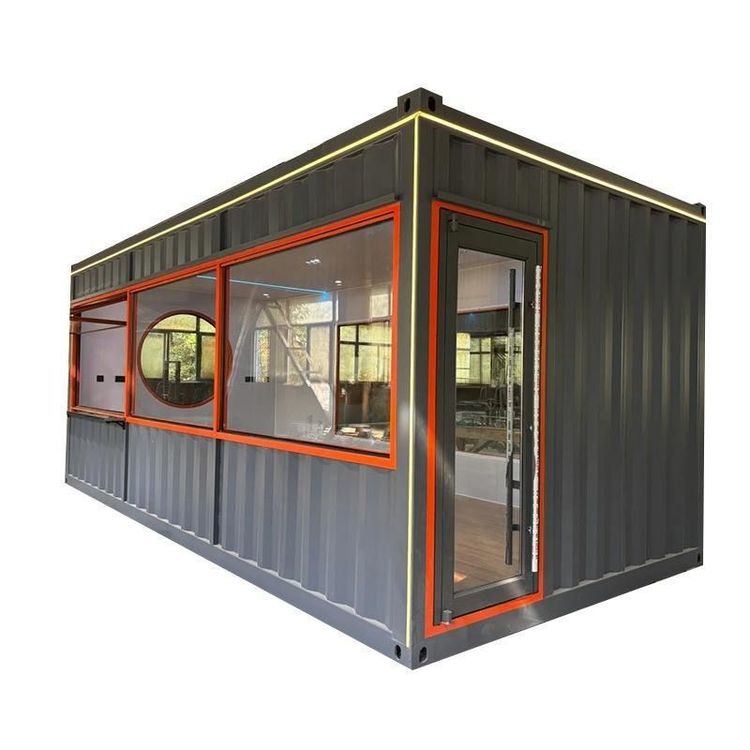
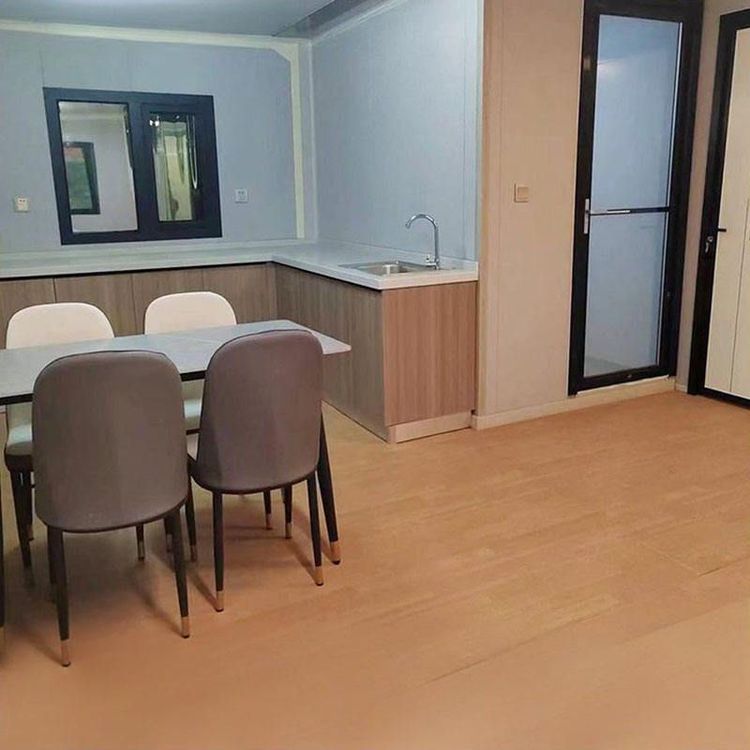
Nanmen Bridge Portable Toilet
Currently, no specific information about the 'Nanmen Bridge Portable Toilet' has been found. The following provides a popular science explanation on the common types, functional characteristics, and site selection principles of portable toilets:

Common Types of Portable Toilets
Portable toilets can be mainly classified into packing-type, foam-type, microbial degradation-type, and water-flushing types based on their technical principles and structural differences. Packing-type portable toilets collect excrement using biodegradable plastic bags, requiring no external water supply or sewage pipes, and are suitable for temporary locations without infrastructure. Foam-type portable toilets use a foaming agent mixed with a small amount of water to form foam that covers the toilet bowl, offering water-saving and odor-control features, and are commonly found in scenic spots or event venues. Microbial degradation-type portable toilets decompose excrement using specific bacteria to achieve harmless treatment, making them suitable for long-term use in scenarios with high environmental protection requirements. Water-flushing portable toilets are similar to traditional toilets, requiring connection to water supply and drainage systems, and are mostly used in urban supporting facilities.
Core Functional Characteristics of Portable Toilets
The design of portable toilets focuses on convenience, environmental protection, and adaptability. Their modular structure allows for quick assembly and disassembly, enabling flexible adjustment of quantity and location based on demand. Some models are equipped with technologies such as solar power supply and smart sensor flushing to reduce energy consumption and enhance user experience. Sealed treatment and ventilation systems effectively control odors, preventing pollution to the surrounding environment. Additionally, the materials used for portable toilets are typically corrosion-resistant and easy to clean, adapting to complex outdoor environments.
Site Selection Principles for Portable Toilets
The layout of portable toilets should comprehensively consider foot traffic, usage frequency, and the surrounding environment. For example, in scenic spots, portable toilets are usually placed in areas with high tourist concentration (such as entrances and viewing platforms), with a spacing of no more than 500 meters. At large event venues, the number of portable toilets should be configured based on the venue size and expected number of attendees, with a ratio of one toilet per 50-100 people. For urban streets or squares, the site selection should avoid main roads while ensuring access to electricity, water, or sewage facilities. If 'Nanmen Bridge' is a specific area, the planning of its portable toilets may need to consider local traffic flow, resident needs, and municipal management requirements.