
Nanchuan Mobile Toilet Installation
The installation process of mobile toilets in Nanchuan typically follows the core steps of 'positioning - assembly - connection', which can be specifically divided into four stages: chassis and frame positioning, wall and roof panel installation, internal facility connection, and functional inspection and debugging. The installation of integrated mobile toilets is simpler and takes less time overall.
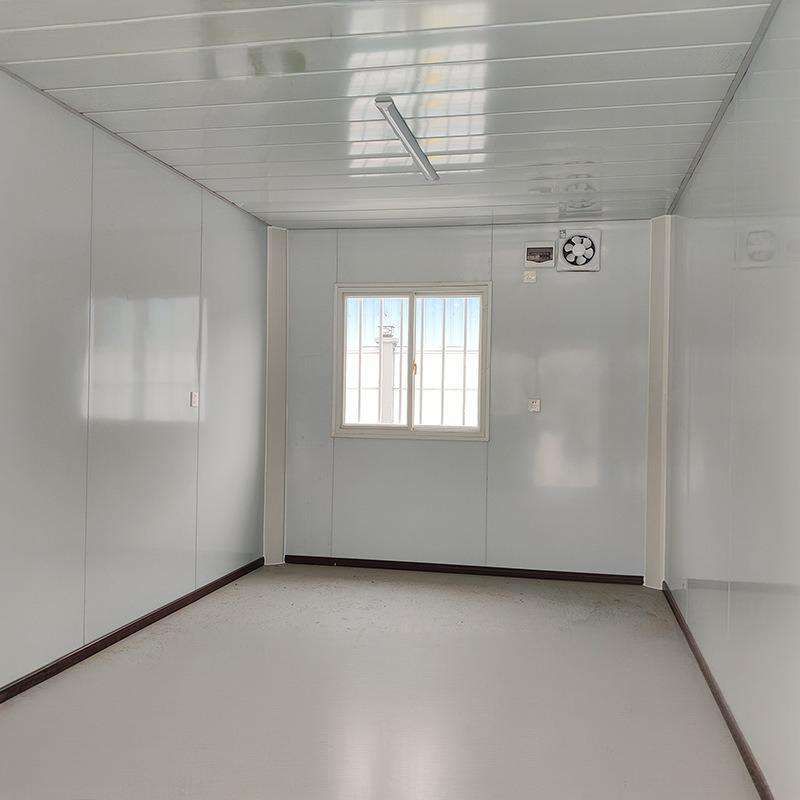
Chassis and Frame Positioning is the foundational step of installation. A forklift or manual labor is required to place the prefabricated steel chassis steadily at the predetermined location and adjust it to a level state using a spirit level to ensure the stability of subsequent installations. As the load-bearing structure of the mobile toilet, the levelness of the chassis directly affects the overall service life and safety, so strict calibration is necessary.
Wall and Roof Panel Installation should be carried out in sequence. First, insert the sandwich panel wall panels one by one into the slots of the chassis and secure them with bolts or clips to ensure the wall panels are vertical and tightly connected. Then, install the roof panels and seal the joints between the roof and the walls, typically using waterproof glue or sealing strips to prevent rainwater leakage. In this step, attention should be paid to aligning the wall panels with the slots of the chassis to avoid sealing failure due to installation deviations. The entire wall installation can usually be completed within 1-2 hours, depending on the size of the toilet and the number of installers.
Internal Facility Connection is a crucial step for realizing functionality. Internal partitions, toilets, flushing systems, sinks (if any), lighting, and ventilation equipment need to be installed, and water and electricity pipelines connected. Water and electricity connections should be operated by professionals, but modular water and electricity interface designs (such as quick connectors) can significantly shorten the time and reduce installation difficulty. For example, the flushing system needs to be connected to the water source and sewage pipeline, the lighting equipment needs to be connected to the circuit and tested for switching, and the ventilation equipment needs to ensure the smoothness of the exhaust duct. In this step, special attention should be paid to the sealing of water and electricity pipelines to avoid the risks of water leakage or electric shock.
Functional Inspection and Debugging is the final step of installation. Flushing tests, circuit inspections, and sealing inspections need to be carried out to ensure all functions are normal. For example, the flushing test should check whether the water flow is smooth and whether the sewage is thoroughly discharged; the circuit inspection should confirm whether the lighting and ventilation equipment can start and stop normally; the sealing inspection should focus on checking whether there is water leakage at the joints of the roof and wall panels. If any problems are found, timely adjustments or repairs should be made to ensure the mobile toilet meets the usage standards.
For integrated mobile toilets (such as container-type toilets), their installation is simpler. These toilets have already completed interior decoration and equipment integration in the factory. On-site, only hoisting into position and connecting water, electricity, and sewage pipelines are required, and the overall installation time can be shortened to 2-4 hours, making them suitable for emergency use or temporary needs.



