
Mobile Toilets in Nanchang City
The selection, application, and development trends of mobile toilets in Nanchang City require comprehensive consideration from multiple aspects such as type, leasing, placement, and maintenance.
I. Selecting the Right Type to Match Scenario Needs
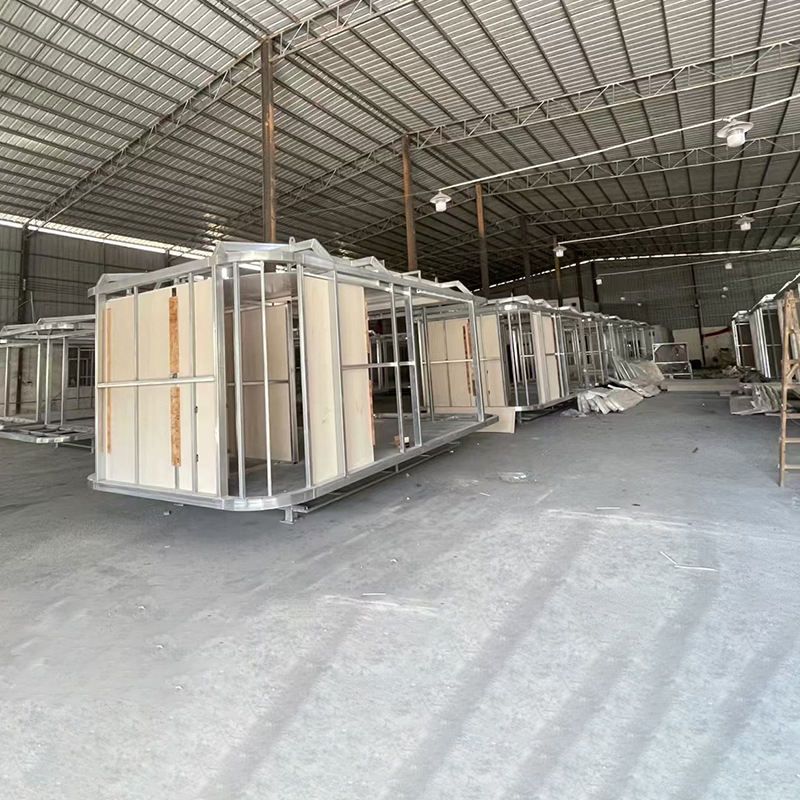
Determining the quantity and type based on the usage scenario is crucial. Large-scale outdoor events (such as music festivals and sports events) require the deployment of standard mobile toilets to meet high foot traffic demands. Scenic spots or high-end venues (such as commercial complexes and exhibition centers) should opt for models equipped with barrier-free facilities and additional features like handwashing stations and baby care tables. Local enterprises in Jiangxi can now provide a full range of products, from economical and simple models to high-end intelligent and environmentally friendly options, with some companies capable of undertaking large-scale customized orders to meet specific scenario requirements.
II. Choosing Leasing Companies Based on Qualifications and Services
Prioritize formal leasing companies that cooperate with municipal authorities, and screen reliable suppliers by checking business licenses, environmental certifications, and customer reviews. Local enterprises in Nanchang can offer professional placement and maintenance services, including equipment transportation, installation and commissioning, and regular inspections during events to ensure proper operation.
III. Placement Locations Should Balance Convenience and Safety
Mobile toilets should be placed within 50 meters of high-traffic areas, close to main thoroughfares but avoiding low-lying areas prone to waterlogging and away from pollution sources like waste disposal stations. For municipal and livelihood scenarios (such as renovation sites in old urban areas), consideration should be given to harmonizing with the surrounding environment, while cultural and tourism scenarios (such as temporary markets) should integrate with movement flow planning to enhance user experience.
IV. Daily Maintenance and Management Should Be Systematized
During the leasing period, a cleaning schedule should be established, with comprehensive cleaning conducted every 2-4 hours and consumables like toilet paper and hand soap replenished. After the event, internal garbage should be thoroughly cleared, equipment surfaces disinfected, and components such as flushing systems and locks inspected for integrity. Some high-end products (such as vacuum mobile toilets) require professional operation and maintenance to avoid malfunctions due to improper handling.
V. Industry Trends Point Towards Intelligence and Environmental Protection
In the future, mobile toilets will be equipped with intelligent modules like sensor-activated flushing and usage status displays, and reduce water consumption through microbial degradation and zero-discharge technologies. Local enterprises in Jiangxi have begun piloting water circulation systems that purify wastewater for reuse in flushing, lowering operational costs. Customized services will also deepen, such as designing exteriors based on scenic spot themes or configuring dust-proof structures for construction sites.
VI. Cost Budgeting Should Be Clear and Transparent
Leasing costs are typically calculated as 'quantity × unit price × duration', with additional services (such as transportation and cleaning) possibly charged separately. It is advisable to compare quotes from 3-5 suppliers in advance, focusing on whether hidden costs like consumable replenishment and fault repairs are included to avoid overspending.



