
Municipal Mobile Toilet Procurement
Municipal mobile toilet procurement requires comprehensive consideration of factors such as project requirements, procurement methods, budget, supplier qualifications, and product characteristics. The following analysis is conducted from different dimensions:
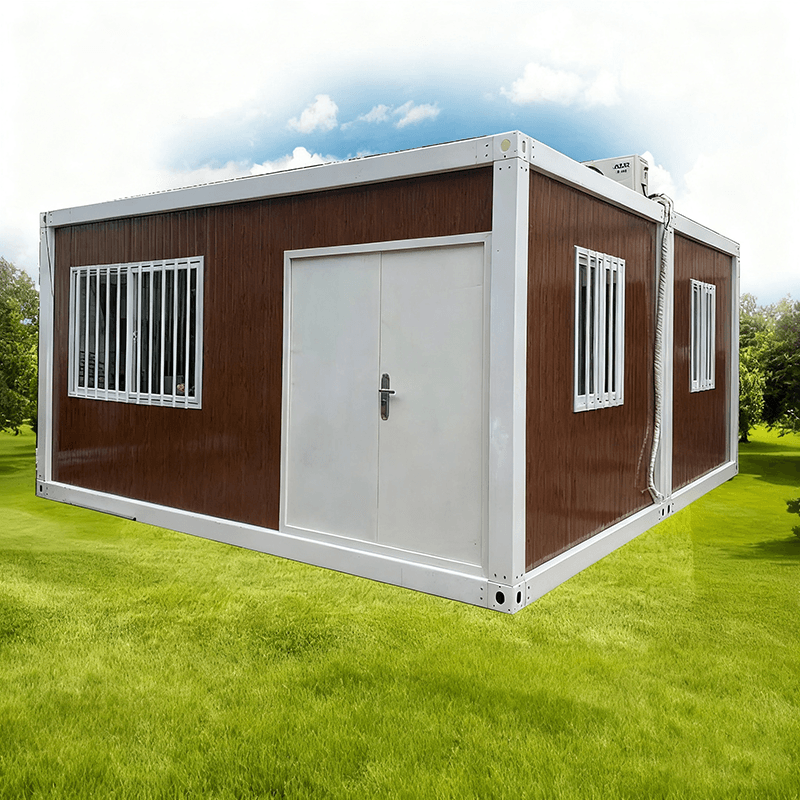
I. Procurement Project Types and Budgets Municipal mobile toilet procurement projects are typically divided into two methods: competitive negotiation and public bidding. For example, the 2024 project adopted competitive negotiation with a budget of 690,000 yuan, procuring two four-stall vacuum environmental protection toilets; the 2026 Xichuan County project used public bidding with a contract amount of 1.664 million yuan, procuring one municipal public facility building. Budget differences mainly stem from the configuration of toilet types (such as vacuum environmental protection type, smart type), scale (number of stalls), and additional functions (such as IoT systems, solar power supply). The purchaser needs to clarify the budget range based on actual needs to avoid functional redundancy or cost overruns.
II. Supplier Qualifications and Project Requirements Suppliers need to meet the general conditions specified in Article 22 of the Government Procurement Law, such as financial status and technical capabilities. Some projects have specific requirements for suppliers:
- Enterprise Type: The 2024 project explicitly targeted procurement from small, medium, and micro enterprises, requiring the provision of a small and medium enterprise declaration letter;
- Technical Capabilities: Smart public toilets need to integrate IoT systems. Suppliers need to have modular production capabilities, with the main structure made of light steel structures or composite materials, and internal functional modules that can be flexibly configured;
- Delivery Cycle: The 2024 project required completion of delivery, installation, and commissioning within 50 days after contract signing, requiring suppliers to have rapid response capabilities.
III. Product Characteristics and Technical Standards The core characteristics of mobile toilets include environmental protection, intelligence, and adaptability:
- Environmental Protection Technology: Vacuum environmental protection toilets reduce water consumption through negative pressure suction, and some products are equipped with rainwater recovery devices;
- Smart Systems: Cover functions such as pedestrian flow monitoring, air quality control, and automatic cleaning. Some products are equipped with solar photovoltaic panels to achieve energy self-sufficiency;
- Modular Design: The main structure is separated from functional modules, facilitating transportation and on-site assembly, and adapting to different scenarios such as urban parks and transportation hubs. Although there is no unified mandatory standard in the industry, most manufacturers produce according to the Urban Public Toilet Design Standard (CJJ 14), focusing on structural safety, hygiene and ease of cleaning, and system compatibility.
IV. Typical Case References
- 2026 Hanyin County Project: The winning bid amount was 245,000 yuan, procuring one urban public toilet, with the brand being Yufei Construction, demonstrating the feasibility of low-cost solutions;
- Xichuan County Project: The contract amount was 1.664 million yuan, procuring smart public toilets, covering prefabricated construction and customized adjustments, suitable for long-term use in high-traffic areas. Purchasers can select appropriate cases as references based on project scale, usage scenarios, and budget.



