
Municipal Mobile Toilet Construction
Municipal mobile toilet construction covers multiple aspects such as planning, placement, material selection, and design principles.
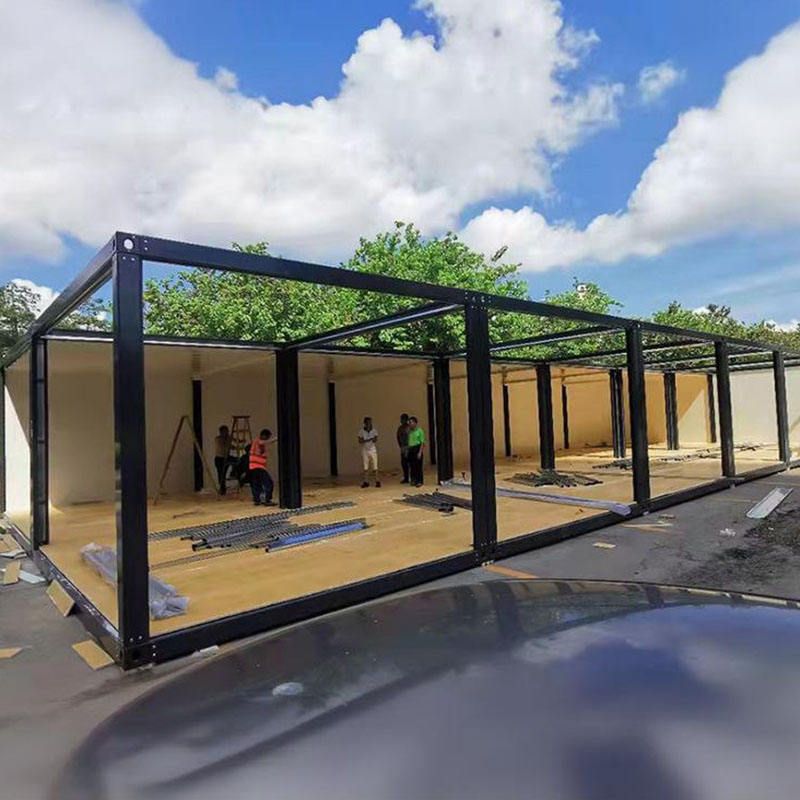
I. Suitable Locations Municipal mobile toilets are suitable for locations such as stations, docks, tourist attractions, newly built residential areas, large construction sites, squares, and bustling commercial streets. These areas typically have characteristics such as high pedestrian traffic, difficulties in constructing fixed public toilets, or a strong need for temporary facilities. For example, during peak tourist seasons, mobile toilets can quickly supplement restroom facilities in tourist attractions; in large construction sites with short construction periods, mobile toilets can flexibly meet the needs of workers, avoiding the waste of construction costs for fixed public toilets.
II. Material Selection The materials used for mobile toilets have evolved from wood to fiberglass and polyethylene. Wood was initially used due to its easy availability but had issues such as susceptibility to decay and poor durability; fiberglass is lightweight, strong, and corrosion-resistant, making it suitable for humid environments; polyethylene has become the mainstream choice due to its impact resistance and ease of cleaning. Modern mobile toilets often use composite materials that balance portability and structural strength, while surface treatment technologies enhance anti-fouling and anti-slip properties, extending their service life.
III. Design Principles
- Portability and Cost-Effectiveness: The overall structure should be lightweight for easy lifting and transportation; modular design allows for quick assembly and disassembly. For example, the mobile toilets installed in the Lanzhou Yellow River Scenic Area in 2023 were deployed within 48 hours using standardized components.
- Environmental Protection: Equipped with water-saving flushing devices or waterless technologies (such as foam sealing and microbial degradation) to reduce water consumption; recyclable materials are used to minimize environmental impact after disposal.
- Human-Centered Design: Consider the needs of special groups by providing barrier-free access, handrails, and child-specific facilities; the internal layout should ensure proper ventilation and lighting to enhance user comfort.
IV. Municipal Application Value Mobile toilets can compensate for the layout deficiencies of fixed public toilets. For example, in old urban areas where space is limited and new public toilets are difficult to construct, mobile toilets can be flexibly placed in back alleys; in commercial districts during events, additional mobile toilets can alleviate restroom pressure. Furthermore, customized services provided by enterprises further expand application scenarios. For instance, Shanghai Guyi Construction Engineering Co., Ltd. can design themed mobile toilets based on the cultural characteristics of the site, making them an integral part of the urban landscape.
You may also like

Portable Toilet Used in 2026: Buying Guide & Recommendations
Read More
Portable Toilet Custom Explained: How to Choose the Right One
Read More
Top Portable Toilet Smart Manufacturers: How to Choose a Factory Partner
Read More