Advantages of Municipal Mobile Toilets
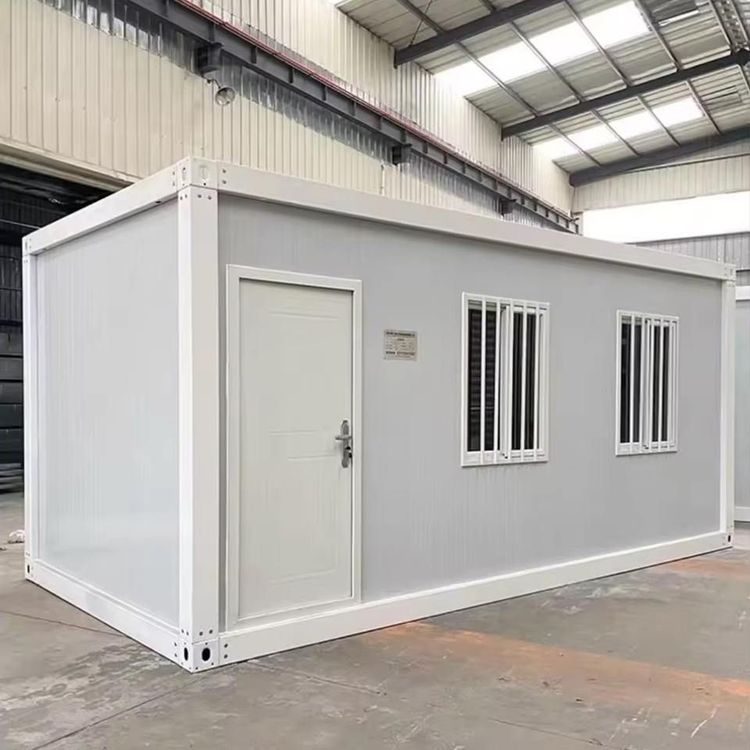
Municipal mobile toilets feature strong mobility, flexible treatment methods, a small footprint, reasonable design, diverse functions, and unique advantages of waterless models.

I. Basic Advantages
The core advantage of municipal mobile toilets lies in their mobility, enabling rapid relocation in response to site changes and avoiding resource waste caused by the demolition of fixed facilities, making them particularly suitable for temporary events or urban planning adjustments. Their footprint is only 1/3 to 1/2 that of traditional fixed toilets, significantly reducing land resource occupation and alleviating urban land use pressure. In terms of treatment methods, technologies such as water flushing, microbial decomposition, or vacuum suction can be selected based on the usage environment, adapting to the environmental protection requirements and infrastructure conditions of different regions.
II. Design Features
They adopt a compact design structurally, facilitating easy disassembly and assembly, with water-flushing sewage systems meeting environmental protection standards. In terms of material selection, durable and easy-to-clean materials such as stone plastic panels are used for interior walls, complemented by soundproof cotton and refined decoration to enhance the user experience. The internal layout emphasizes humanization, such as increasing the proportion of female toilet stalls, adding third toilets, separate fixtures for children and adults, and equipping them with baby changing tables, barrier-free handrails, and wheelchair storage areas to meet the needs of special groups. The smart public toilet system at the entrance can display real-time information on toilet stall occupancy, temperature, and humidity, optimizing usage efficiency.
III. Functional Upgrades
Municipal mobile toilets break through the single function of traditional public toilets and can be expanded into comprehensive service spaces. For example, adding sanitation crew rooms to provide rest areas for workers or creating 'driver's home' rest areas equipped with sofas, food heating equipment, and mobile phone charging stations. Some models also integrate air purification devices and deodorization systems to treat waste through physical or chemical methods, preventing odor diffusion, with private stalls further ensuring usage safety.
IV. Unique Advantages of Waterless Models
Waterless municipal mobile toilets use microbial decomposition technology or vacuum suction systems to treat waste without tap water, saving several tons of water per day, making them suitable for arid or water-scarce regions. Their installation period is only 1-2 days, allowing rapid deployment in complex terrains without damaging the original landscape. Maintenance costs are reduced by more than 40% compared to traditional public toilets, with a failure rate of only 1/3, requiring only daily cleaning of waste or replacement of adsorption materials. Additionally, their flexible layout allows for position adjustments based on foot traffic, effectively supplementing the service gaps of fixed facilities during peak tourist seasons or large-scale events.