Movable Public Toilet
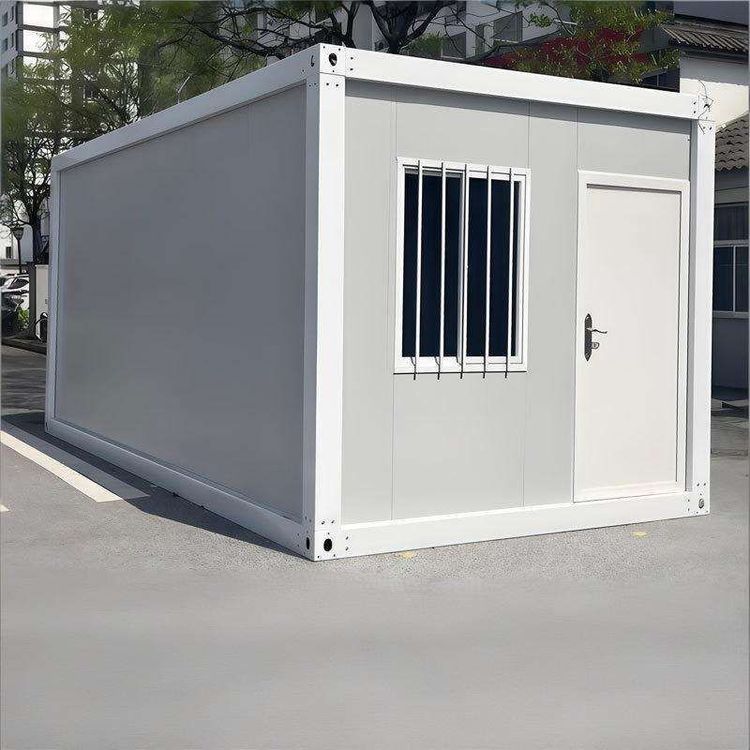
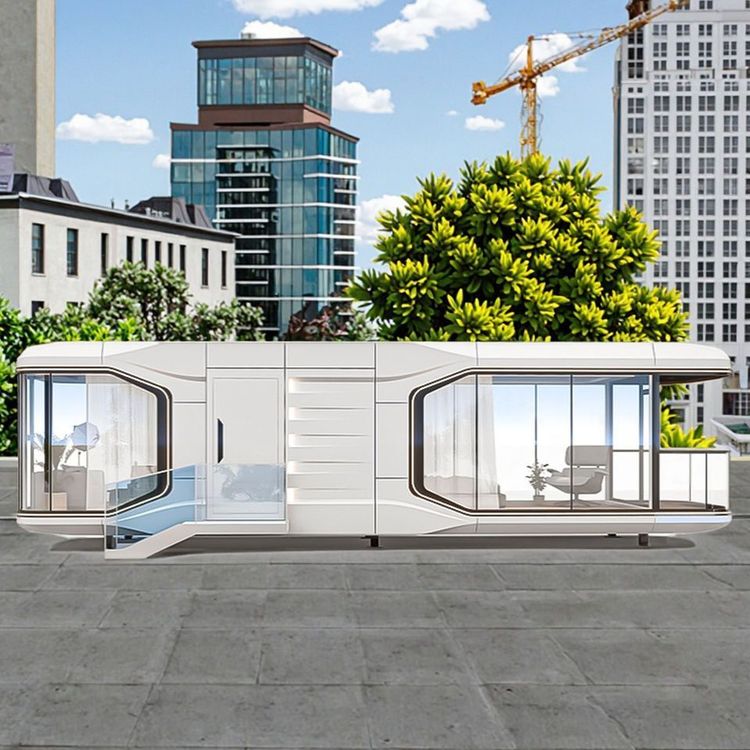
A movable public toilet, also known as a portable toilet, is a facility that can be moved as a whole to provide toilet services to the public.

Applicable Places: Portable toilets are suitable for stations, docks, tourist attractions, villa areas, newly built residential communities, large construction sites, squares, densely populated public places, and bustling commercial streets. Their flexible deployment characteristics can meet temporary or permanent needs, such as the temporary addition of toilets during large-scale events or long-term use in remote areas without a fixed sewage system.
Structural Composition: It mainly consists of a fecal sewage storage tank (or disposal device), flooring, sanitary ware, walls, washing equipment, a water tank, a roof, and a mobile device. Modern portable toilets use materials such as fiberglass-reinforced plastic and polyethylene instead of traditional wood, improving odor resistance and durability. Some high-end models integrate smart mirrors, breathing lights, and other configurations, and can be directly put into use after being prefabricated in the factory.
Classification Methods:
- Structural Form: Divided into single-unit structures (independent units) and composite structures (multi-unit combinations).
- Mobility Method: Includes lifting and handling types (requiring lifting equipment) and powered towing types (tractable by vehicles).
- Sewage Treatment: Covers flush toilets (requiring a water source), waterless flush suction types (regular fecal removal), circulating water flush types (water recycling), and dry packing types (sealed fecal collection).
Core Advantages:
- Movability: Rapid disassembly, assembly, and transportation are achieved through modular design, adapting to different terrain requirements.
- Environmental Protection: Water-saving technology is adopted (e.g., only 0.46 liters of water per use), along with an independent toilet pit partition treatment system. The urine channel utilizes gravity flow, and the fecal channel is cleaned by a piston-type scraper mechanical device, reducing pollution emissions.
- Durability: The frame is welded from national standard steel, and the surface is covered with anti-corrosion and fire-resistant materials such as color-coated steel plates or carved panels, with a service life of over 20 years.
- Intelligence: Some models are equipped with non-slip floors, automatic flushing toilet bowls, ventilation and lighting systems, and intelligent monitoring devices, complying with the GBLT18091-92 standard.
Design Principles: Adhere to the three principles of mobility and convenience, economic durability; environmental protection and ecological friendliness; and improving efficiency and promoting humanity, balancing functionality and social benefits.