Mountain Prefabricated Concrete House
Prefabricated concrete houses are a form of construction where components are manufactured in factories and assembled on-site. They offer advantages such as short construction periods, low costs, strong earthquake resistance, and a good living experience. However, it is important to choose regular products to avoid the hidden dangers of early prefabricated panel houses.

1. Significant Advantages in Construction Efficiency and Cost
Prefabricated concrete houses utilize standardized factory production of components, enabling extremely fast on-site assembly. For example, a 100-square-meter house can be assembled from component transportation to overall construction in just 2 days. With foundation treatment and decoration, it can be ready for occupancy within two months. In rural areas of Henan, there have been cases of villas being assembled in 4 hours and buildings being completed in 2 days. In terms of cost, factory mass production reduces raw material procurement and construction waste, and labor requirements are reduced by more than 30%. Under the same configuration, the total cost is 15%-30% lower than that of traditional brick-and-mortar houses. The total cost for a 120-square-meter house can be controlled within 200,000 yuan, and in some areas of Henan, the cost per square meter is only over 300 yuan.
2. Outstanding Structural Safety and Durability
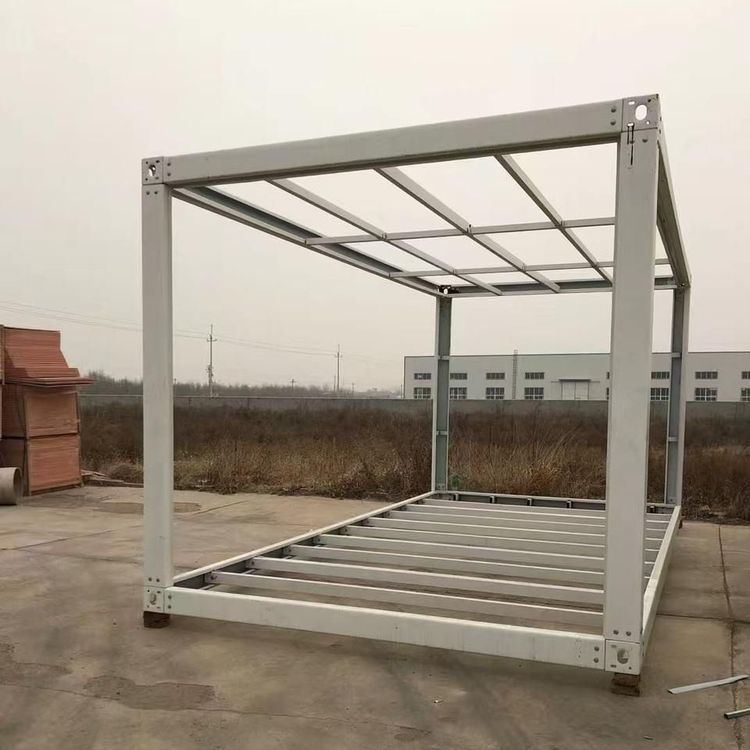
The house is constructed using integral reinforced concrete pouring, with earthquake resistance reaching the standard for magnitude 8 earthquakes. The compressive strength of the walls is 1.5 times that of traditional brick-and-mortar structures, and the wind resistance rating reaches level 10. The modules are connected through prestressed bolts and welded steel plates, forming an integral framework with excellent fire, moisture, and corrosion resistance. The service life exceeds 50 years, with almost no need for large-scale maintenance during this period. Local damage can be quickly repaired with professional materials.
3. Balancing Environmental Protection and Personalized Design
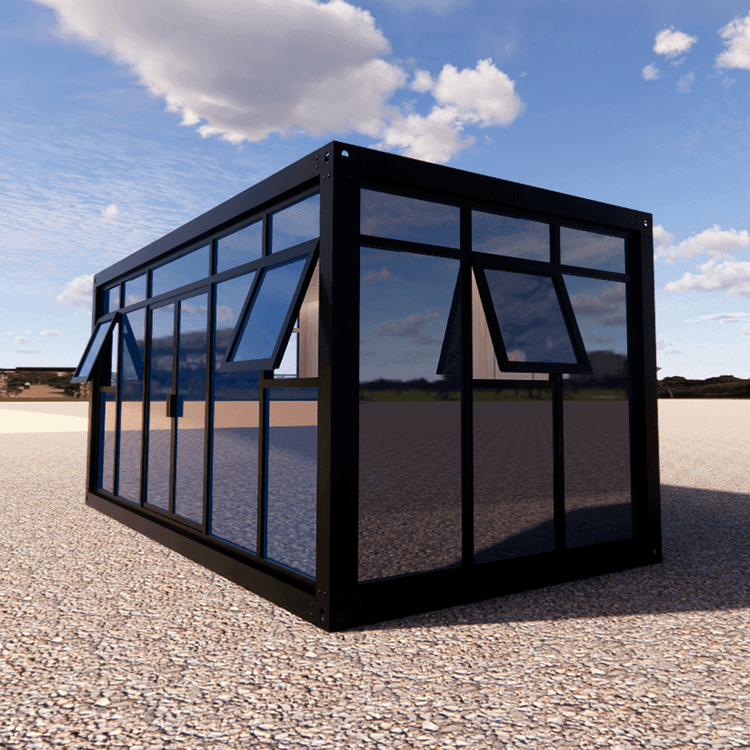
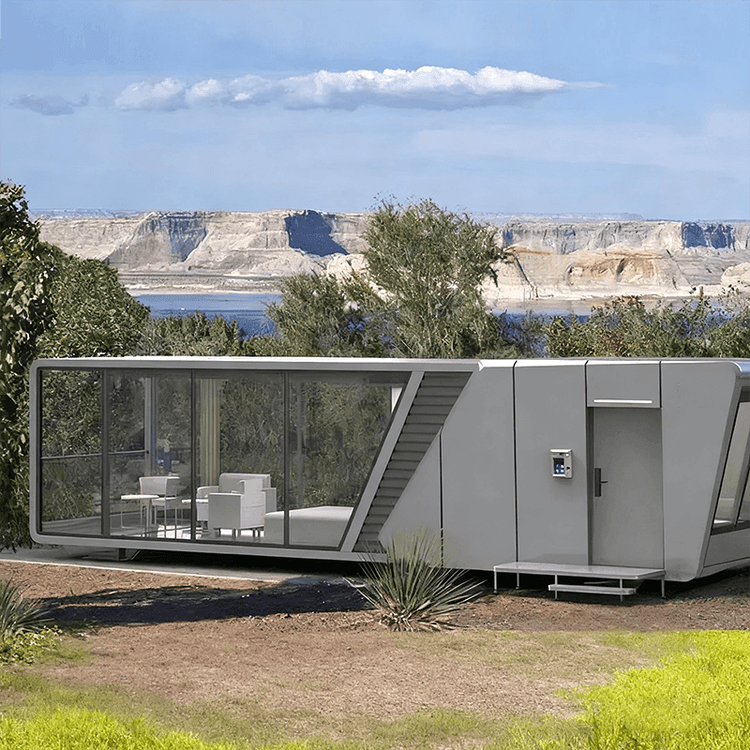
Factory production achieves a 95% recycling rate of off-cuts, with construction site waste being only 10% of that of traditional methods. Environmentally friendly concrete and water-based paints are used, with formaldehyde emissions ≤ 0.05mg/m³, enabling immediate occupancy upon completion. The standard module size is 6m × 3m × 3m, allowing for free combination of house types ranging from 90㎡ to 360㎡ through splicing and stacking. Personalized needs such as balconies and lofts can all be met.
4. Beware of Hidden Dangers in Early Products
Early cement prefabricated panel houses had safety hazards due to technological limitations, such as easy collapse in minor earthquakes, extremely short service lives due to uneven quality, water leakage from panel seams, and poor sound insulation. However, modern prefabricated concrete houses have significantly optimized these defects through integral pouring, standardized production, and strict quality inspections. Choosing products from regular manufacturers can effectively avoid risks.