Mountain Container Mobile House
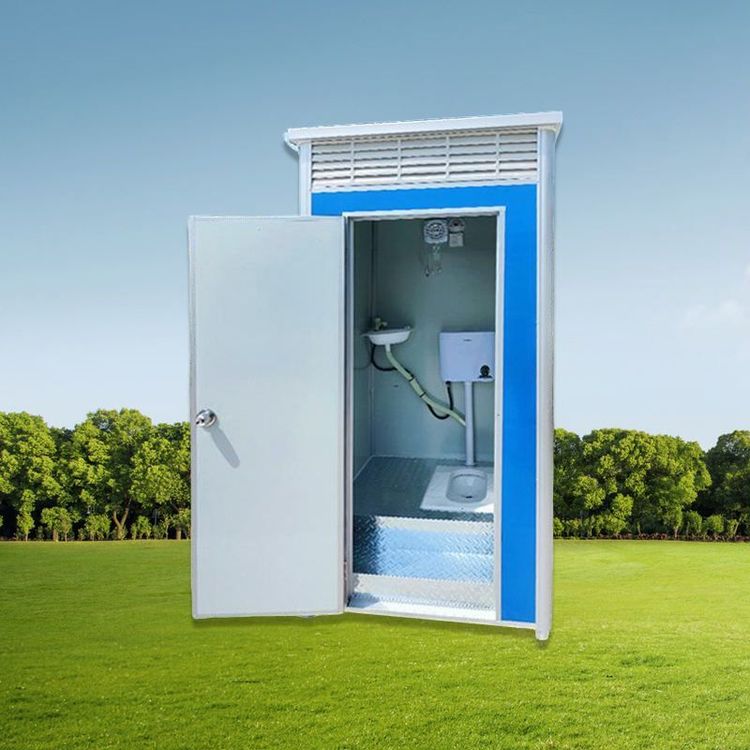
The mountain container mobile house is a movable living or functional space transformed from used or specialized containers. It features modularity, flexible deployment, and relatively low cost, making it suitable for mountain scenic spots, temporary campsites, emergency support, and other scenarios.

1. Basic Composition and Transformation Methods
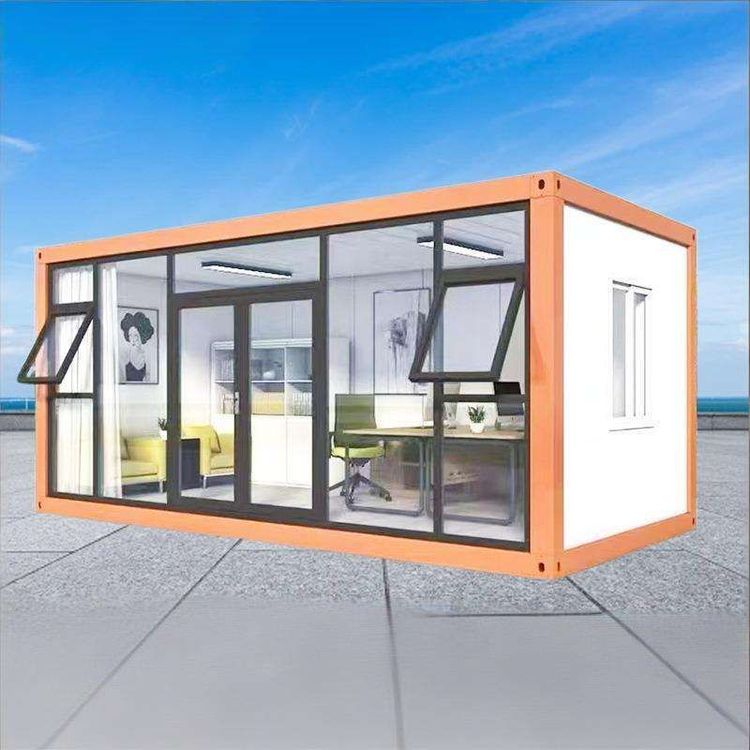
The container mobile house takes standard containers (such as 20-foot and 40-foot ones) as the main structural body. It is reinforced with a rust-proof steel shell and internally integrated with sound insulation and thermal insulation layers, water and electricity systems, ventilation equipment, etc., to meet living or functional requirements. Some designs adopt modular assembly, allowing them to be combined into complex spaces like multi-story villas, cafes, and offices. The exterior facade can be customized (such as with wood-like textures or glass curtain walls) to blend into the mountain environment and reduce artificial traces. For example, a scenic spot has embedded containers into the rock walls, integrating natural landscapes with the architecture.
2. Core Advantages
- Rapid Deployment and Relocation: Factory-prefabricated production enables on-site assembly in just a few days. The entire structure can be hoisted or disassembled for transportation, adapting to the complex terrain of mountainous areas.
- Cost-Effectiveness: The cost per square meter is approximately 500-2000 yuan, much lower than that of traditional buildings. The rental model offers daily rates as low as 6 yuan, suitable for short-term needs.
- Environmental Protection and Recycling: It supports multiple disassemblies and reuses (an average of over 8 times), reducing construction waste emissions by about 90% and aligning with low-carbon policy guidelines.
- Functional Diversity: It can be customized into homestays, restaurants, emergency medical stations, etc., with flexible internal layouts to meet different scenario requirements.
3. Application Scenarios
- Mountain Scenic Spots: As characteristic homestays or viewing platforms, they utilize the industrial style of containers to create a contrast with natural landscapes.
- Temporary Campsites: They provide quickly erected accommodation or office spaces for scientific research expeditions and outdoor adventures.
- Emergency Support: After earthquakes, floods, and other disasters, they serve as temporary shelters or command centers, with cross-border compliance qualifications.
- Commercial Innovation: They are a low-cost entrepreneurial option, such as container cafes and bookstores,自带流量属性 (which means they naturally attract attention and traffic).
4. Technological Trends
According to a 2026 industry report, future container houses will develop towards full-lifecycle low-carbonization and cross-scenario generalization. For example, they will adopt weld-free quick assembly processes to reduce disassembly and assembly losses or use intelligent modules to adapt to multiple fields such as engineering, cultural tourism, and emergency response.