Container House Rendering: A Practical Buyer's Guide
"Container House Rendering: A Practical Buyer's Guide" provides systematic guidance for container house buyers, covering aspects from design and performance to purchasing strategies. The core content includes the following:
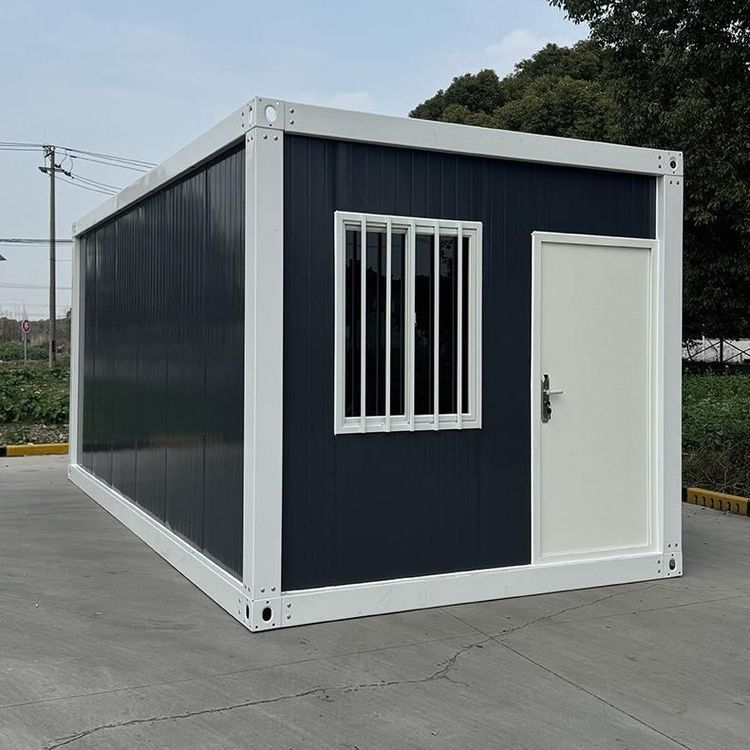
I. Core Functions and Design Features Container houses adopt a 40-foot expandable modular structure, supporting flexible layouts with up to four bedrooms, suitable for temporary housing, construction sites, or permanent residences. Their outer layers use durable corrugated metal sheets (steel or aluminum), offering waterproof, thermal insulation, and wind resistance properties. Internally, standard-thickness wooden and sandwich panels ensure structural integrity and thermal efficiency, while doors and windows feature glass-metal frames for enhanced durability and insulation. Some models measure 3000×6000×2896 millimeters and utilize a demountable design (screw-connected columns and beams) for easy transportation and repeated assembly, obtaining CE certification to meet European safety and quality standards.
II. Applicable Scenarios and Core Advantages
- Economy and Sustainability: Costing only one-third of traditional housing, they align with global demand for affordable housing by 2026. Recycling steel containers reduces carbon emissions and construction waste.
- Flexibility and Scenario Adaptation: Supporting rapid deployment and modular expansion, they cater to trends like "mobile offices" and "micro-homes," suitable for Airbnb short-term rentals, remote work, and post-disaster reconstruction.
- Additional Features: Equipped with soundproof studios, earthquake resistance, waterproof design, and breathable structures to improve air circulation and enhance living comfort.
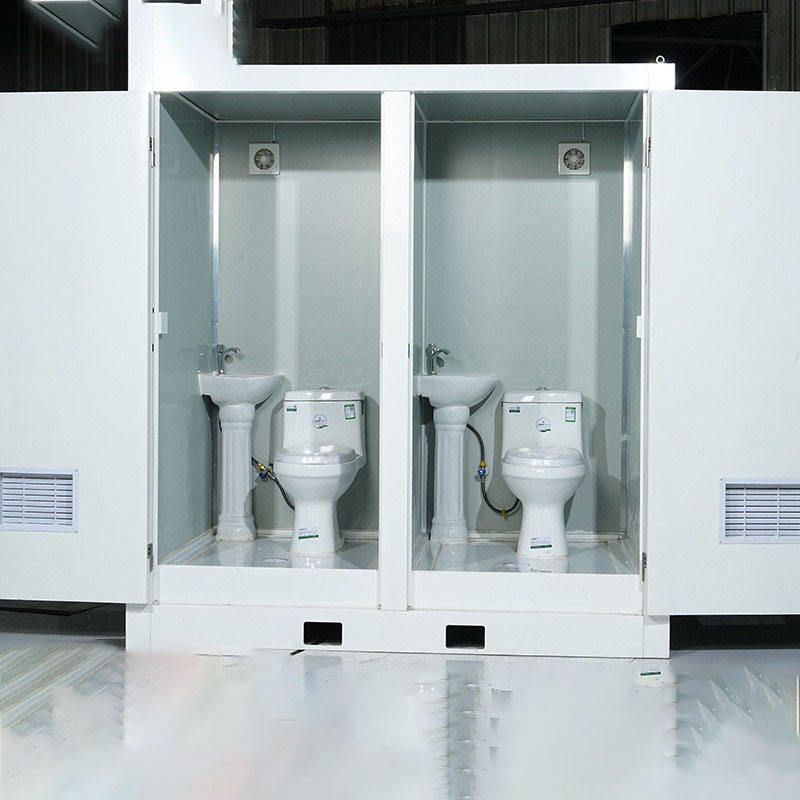
III. Technical Specifications and Customization Options Basic parameters include demountable structures and CE certification, with some models offering innovative designs like modern kitchens and smart bathrooms. Buyers can customize interior finishes (e.g., kitchen and bathroom layouts) and exterior panel materials to meet personalized needs.
IV. Purchasing Recommendations and Key Considerations
- Budget Range: Prices range from approximately $1,295 to $1,599 per unit, with bulk purchases potentially eligible for discounts.
- Supplier Selection: Prioritize suppliers offering 1-year warranties, 48-hour shipping, and local warehouse support.
- Scenario Adaptation: Balance modular expansion needs with costs based on usage (temporary/permanent), focusing on material certifications, design compatibility, and after-sales service.
Conclusion: By 2026, container houses will stand out for their low cost, sustainability, and flexibility, appealing to budget-conscious, eco-friendly, or rapidly deploying buyers. Purchasing requires evaluating material performance, modular design compatibility, and supplier service capabilities to ensure long-term value.