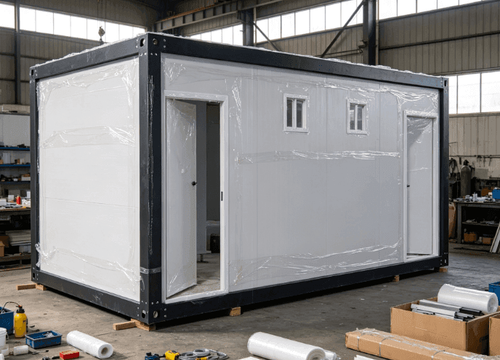
Motor-Movable Toilet Equipment
The equipment related to 'motor-movable toilet' mainly includes electric transfer machines and electric mobile toilets, with differences in their functions and applicable scenarios.

Electric Transfer Machine
Its core function is to achieve the transfer of patients or individuals with mobility impairments through an electric drive mechanism, such as safe transfers from beds to toilets, wheelchairs, and other facilities. Some models integrate a commode chair function, directly assisting with toilet use. Technologically, they are equipped with electric push rods, adjustable slings, and emergency stop devices. Some products support customization of motor types to meet different usage requirements. Applicable scenarios include homes, hospitals, nursing homes, and rehabilitation departments, especially suitable for fixed locations requiring long-term care. Their advantage lies in reducing the risks associated with manual handling through mechanical assistance, thereby improving care efficiency.
Electric Mobile Toilet
This device drives sewage discharge, ventilation, or lighting modules through electricity, supporting modular assembly and short-distance movement (e.g., equipped with electric casters). Some models use electric suction technology to concentrate waste, reducing odor diffusion. They are primarily applied in outdoor scenarios such as temporary events, construction sites, and tourist attractions, meeting temporary needs in areas without fixed sanitation facilities. Their limitations include dependence on electricity supply, limited waste storage capacity requiring regular cleaning and maintenance, and restricted movement range due to power sources and terrain.
Selection Advice
If the requirement is to assist individuals with mobility impairments in transferring to a fixed toilet, an electric transfer machine is a more direct choice, with its stability and safety being more suitable for long-term care scenarios. If a movable independent sanitation facility is needed, an electric mobile toilet can meet temporary or outdoor scenario requirements, but electricity supply and maintenance costs must be considered. The specific choice should be based on a comprehensive assessment of the usage scenario (e.g., home care or outdoor activities) and functional requirements (e.g., transfer assistance or independent sanitation facilities).