Morphological Characteristics of Mobile Toilets
The morphological characteristics of mobile toilets cover aspects such as overall structure, exterior wall materials, product forms, type structures, internal configurations, and structural features related to technological types.
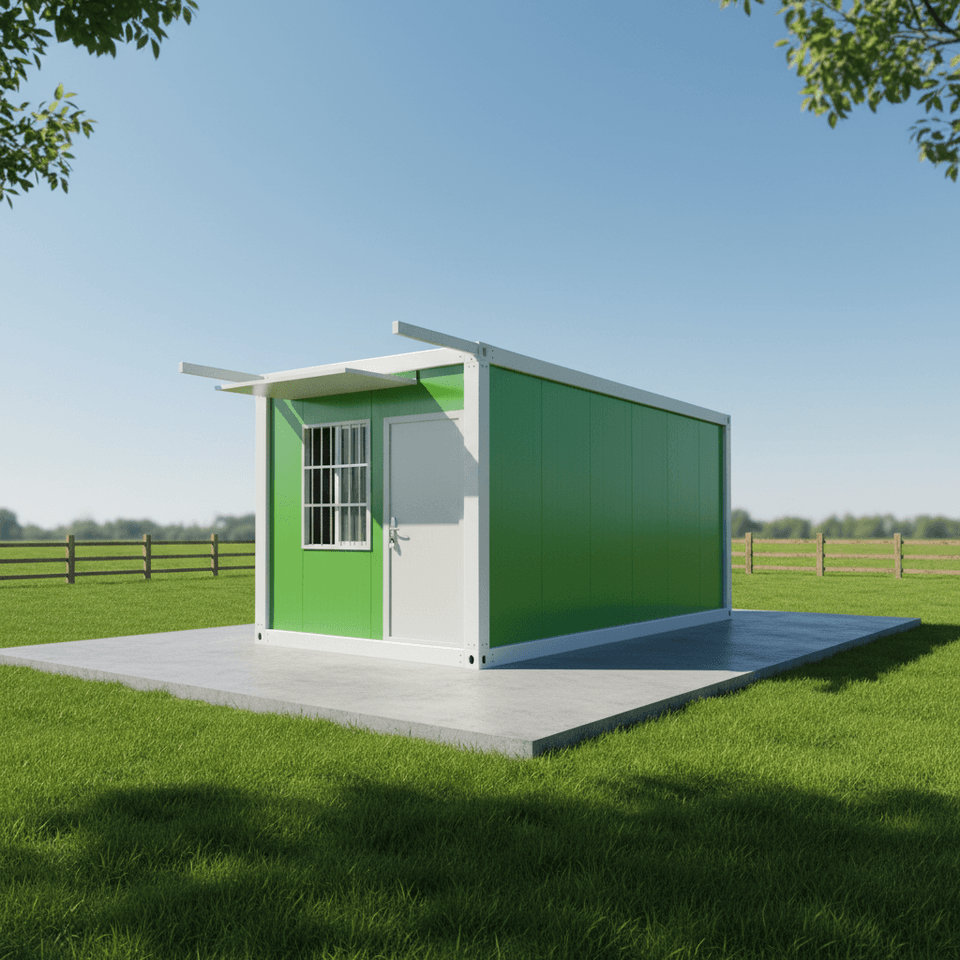
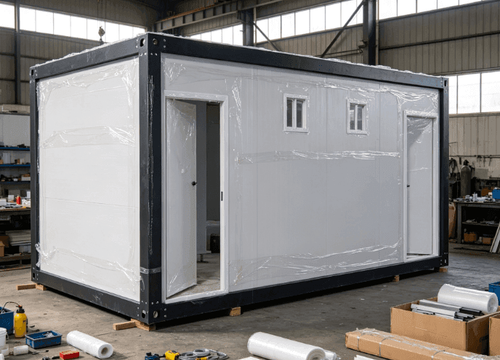
Overall Structure: Mobile toilets are characterized by their ability to be moved as a whole and can be placed at locations with fixed or temporary needs. Their main structure is welded using national standard light steel keels, which meets the requirements for overall hoisting and ensures stability and safety during movement and installation.
Exterior Wall Materials: The exterior wall materials of mobile toilets are diverse and can be selected according to customer requirements or the surrounding environment of the usage location. Common exterior wall materials include color-coated steel sheets, metal carved panels, anti-corrosion wood, stainless steel sheets, and aluminum-plastic panels. These materials not only offer different aesthetic effects but also meet usage requirements in different environments, such as anti-corrosion, anti-rust, and aesthetics.
Product Forms: Mobile toilets come in a rich variety of forms, which can be extended to trailer-type, box-type substation cabinet-type, stainless steel sentry box-type, etc. These different form designs enable mobile toilets to adapt to various complex usage scenarios, such as urban streets, tourist attractions, and construction sites.
Type Structures: Mobile toilets are mainly divided into two types: integral and assembled. An integral mobile toilet is a complete unit that can be directly transported to the designated location for use, offering convenience and speed. In contrast, an assembled mobile toilet consists of multiple modules that can be quickly assembled on-site, making it suitable for situations where the number of toilets needs to be temporarily increased or their locations changed.
Internal Configurations: The internal configurations of mobile toilets are divided into standard and optional configurations. Standard configurations include toilet bowls (urinals), coat hooks, vanity mirrors, waste bins, lighting fixtures, exhaust fans, door locks, and occupancy indicators, meeting basic usage needs. Optional configurations include heating and cooling air conditioners, air purifiers, anti-freeze systems, heating systems, background music, washbasins, and water-saving faucets, which can be selected according to actual needs to enhance the user experience.
Structural Features Related to Technological Types: Mobile toilets also have different structural features based on their technological types. For example, a circulating water flushing mobile toilet is equipped with an intermittent aerobic and anaerobic sewage treatment device for fecal matter, which adds biological strains and uses biofilm technology to accelerate decomposition. The treated water can be recycled for flushing, achieving water conservation and reuse. On the other hand, a dry-packing mobile toilet has no water flushing device; instead, excreta is collected in biodegradable plastic bags, which are automatically changed and collected for centralized treatment after use, making it suitable for areas with water shortages or high water conservation requirements.