Modular Mobile Toilet Service
The modular mobile toilet service is based on a modular building system, combining 'dry-wet separation' and 'biodegradation' technologies to provide a rapidly deployable and flexibly configurable mobile toilet solution.

Structural Design and Assembly Features
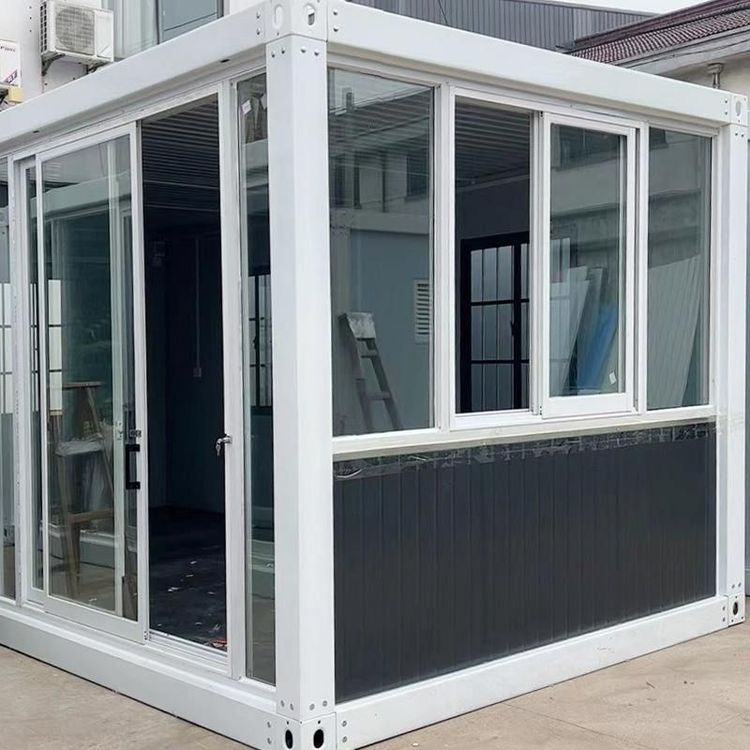
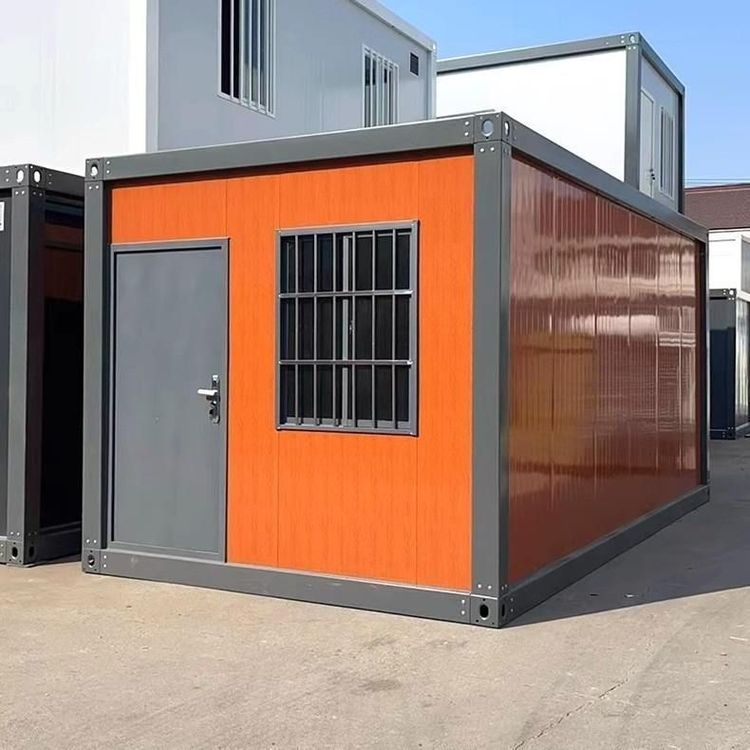
The core modules of modular mobile toilets include floor panels, walls, roof panels, door panels, and internal equipment. All components are prefabricated in factories using molds, with dimensions and interfaces adhering to unified tolerance standards. Modules are fixed together using pre-embedded metal connectors or clips, eliminating the need for cement mortar or welding. Assembly from a flat-pack state to an independent functional unit can be completed within 30 minutes. The transportation volume is less than one-third that of traditional integrated toilets, significantly reducing logistics costs.
Sewage System and Biodegradation Technology
This service employs a combined design of a 'gravity-flow sewage system' and a 'separate sewage storage tank.' Feces and urine are separated via guide channels: urine flows into an independent liquid-sealed storage tank to reduce odor emission, while feces fall into a dry treatment box with biological inoculum bedding. Microbial decomposition reduces the volume of solid matter, extending the cleaning cycle of the sewage storage tank. Suppliers configure the storage tank volume based on the estimated number of users at the site, with lessees paying according to 'processing capacity' rather than the toilet unit itself, optimizing cost structure.
Flexibility of Modular Configuration
The same main structure can adapt to different working conditions by adjusting sub-modules. For example, forced ventilation motors can be added in high-humidity areas to enhance air circulation; solar-panel-powered negative pressure exhaust fans can be used in areas without electricity to ensure stable functionality. Additionally, freeze protection is achieved through heating cables in the sewage pipes, enabling stable operation in temperatures as low as -20°C and broadening usage scenarios.
Technical Details and User Experience Optimization
Odor control employs a triple interception system of 'airtight seals + activated carbon filters + negative pressure exhaust,' effectively suppressing odor diffusion. The modular design of internal equipment supports rapid replacement, allowing individual components such as toilets and sinks to be repaired or upgraded separately, reducing maintenance costs. Some premium models are also equipped with intelligent monitoring systems that provide real-time feedback on the status of the sewage storage tank, facilitating proactive cleaning arrangements by operators.
The modular mobile toilet service addresses issues such as long deployment cycles, difficult sewage treatment, and poor adaptability of traditional toilets through standardized modules, biodegradation technology, and flexible configurations. It is widely used in scenarios such as temporary events, disaster relief, and remote areas.