
Mobile Water Air Conditioner for Toilet Use
In theory, mobile water air conditioners can be used in toilets, but their suitability needs to be evaluated based on actual scenarios.
1. Working Principle and Cooling Potential
Mobile water air conditioners achieve cooling by absorbing heat through water evaporation, with the core components being a wet curtain and an axial flow fan. In dry environments, they can reduce temperatures by 5-10℃, making them suitable for localized cooling in small spaces. Toilet spaces are usually small and poorly sealed. If the ambient humidity is low (such as in dry northern regions), mobile water air conditioners can lower the perceived temperature through continuous air supply and improve ventilation conditions. However, in high-humidity areas (such as during the rainy season in the south), evaporation efficiency will significantly decrease, and the cooling effect may be limited.
2. Structural Advantages and Scenario Adaptability
Some mobile water air conditioners feature a three-speed adjustment design, supporting natural wind, regular wind, and sleep wind modes, allowing flexible adjustment of air speed to meet different needs. For example, using the sleep mode at night can reduce noise and avoid disturbances; switching to the regular mode during the day when there is a high foot traffic enhances ventilation. Additionally, they are equipped with multi-directional wheels or a four-wheel design at the bottom, facilitating easy movement within the toilet, especially suitable for temporary toilets without fixed cooling equipment or renovation scenarios in old buildings.
3. Integration Cases with Mobile Toilets
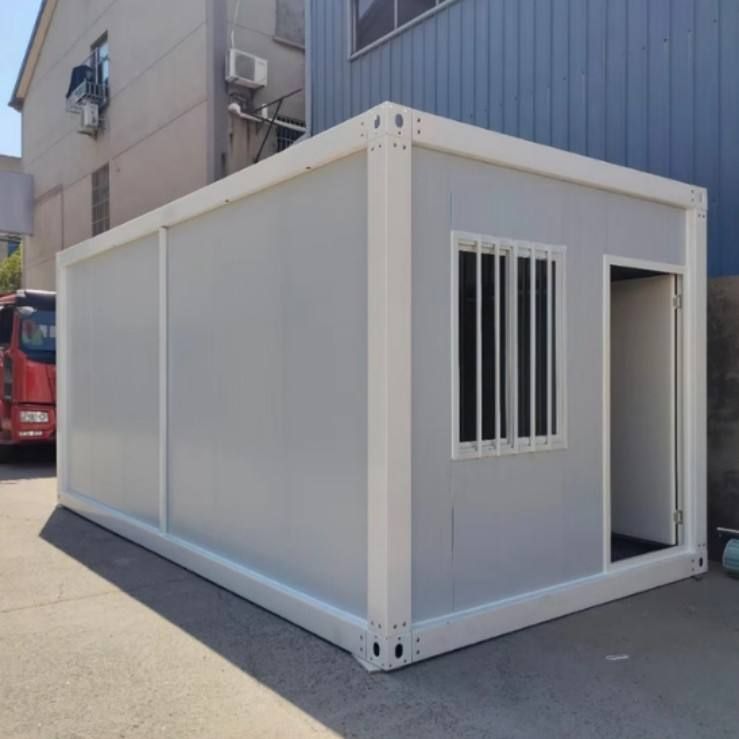
Mobile toilets equipped with air conditioners have been applied in scenic spots, parks, night markets, and other places, with their cooling systems mostly using compressor cooling or water-cooling technology. As a simplified version of water-cooling equipment, mobile water air conditioners, if integrated with mobile toilets, can reduce initial costs (compressor cooling is more expensive). For example, temporary toilets at outdoor music festivals or construction sites can achieve water circulation through external water tanks and drainage pipes to meet short-term cooling needs. However, it should be noted that long-term use requires addressing wet curtain maintenance (such as regular cleaning to prevent mold) and water source replenishment issues.
4. Limitations to Consider
Mobile water air conditioners do not have dehumidification functions and may exacerbate the stuffy feeling in high-humidity environments; their cooling range is limited and is only suitable for single rooms or small toilets. Large public toilets require multiple units working together or the use of other ventilation equipment. In addition, the equipment requires a continuous water supply for operation. If the toilet does not have a stable water source, additional water storage devices need to be configured, increasing operational complexity.
Summary: Mobile water air conditioners can be used for toilet cooling, especially suitable for dry regions, small spaces, and temporary scenarios. However, a comprehensive evaluation based on humidity, space size, and water source conditions is necessary, and a complete maintenance plan is required for long-term use.


