Mobile Traction Toilet for Scenic Spots
Mobile traction toilets are suitable for scenic spots and can effectively meet the toilet needs of tourists. Some scenic spots also adopt the 'tide toilet' model to optimize usage efficiency.

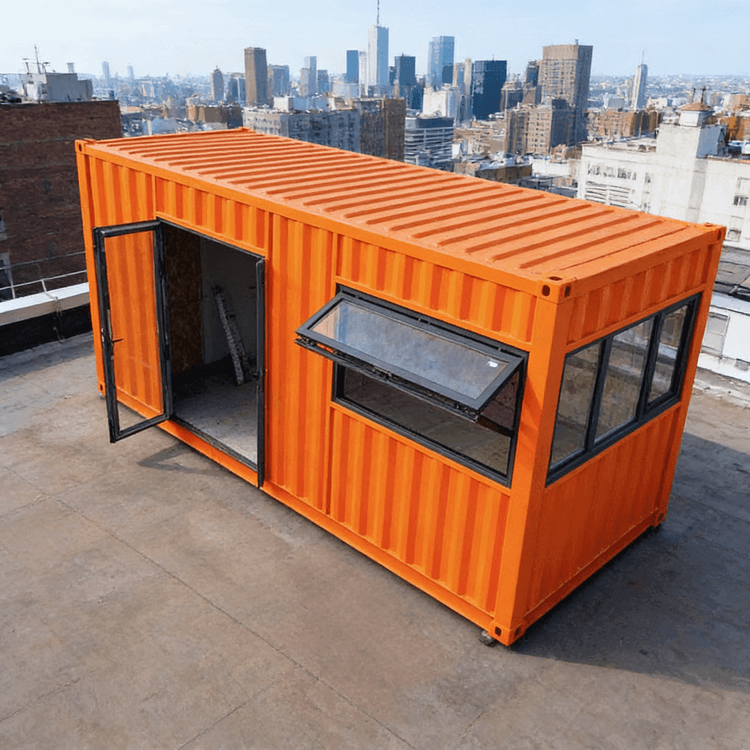
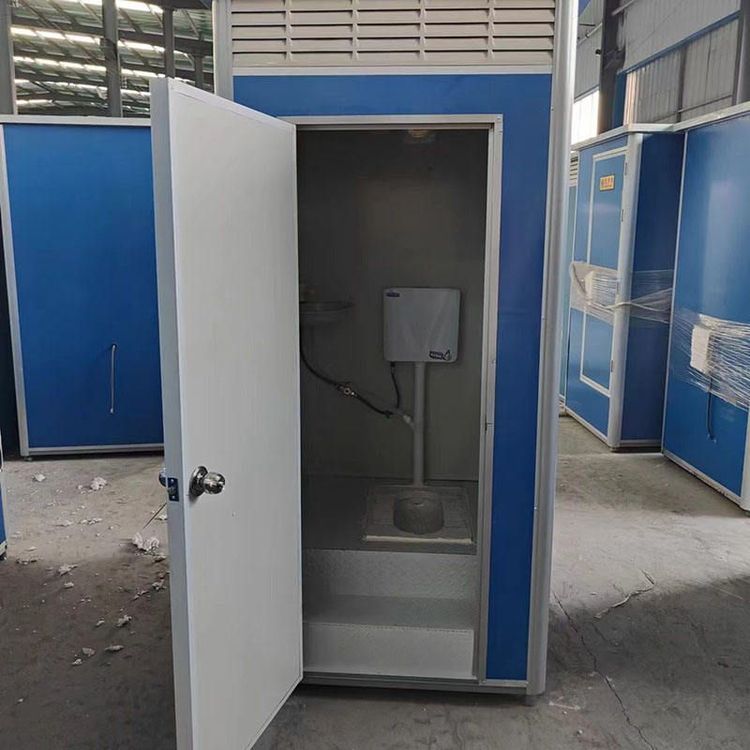
A portable toilet is a facility that can be moved as a whole and set up at fixed or temporary locations. It is specifically designed to provide toilet services for the public and customers, especially in tourist attractions and other places. Its structural components include a fecal sewage storage tank (or disposal device), flooring, sanitary ware, walls, washing equipment, water tanks, roofs, and mobile devices, ensuring functional integrity and ease of use. In terms of mobility, they are mainly classified into two types: lifting and handling types, and powered and towed types. The former relies on external equipment (such as cranes and forklifts) for position adjustment and is suitable for scenarios with complex terrain or the need for rapid deployment. The latter, with their own power (such as engines) or being towed by tractors, offer higher flexibility and are suitable for long-distance or frequent mobility needs. Their core advantages lie in mobility, modularity, and ease of transportation, enabling quick layout adjustments according to changes in tourist flow or event needs in scenic spots, avoiding resource waste or supply-demand imbalances caused by the fixed positions of traditional toilets.
Some scenic spots have innovatively introduced the 'tide toilet' model to cope with peak-hour toilet pressure. For example, West Lake Scenic Spot in Huizhou, Guangdong, has set up 'gender-neutral universal toilet stalls' equipped with movable signs or lockable sliding doors to dynamically adjust toilet stall usage rights based on real-time foot traffic: opening universal stalls during peak hours to increase capacity and restoring gender-specific partitions during off-peak hours to enhance privacy. Parks and scenic spots in Shenzhen, Dongguan, Hangzhou, Wuhan, and Chongqing have also successively trialed this model, significantly improving toilet usage efficiency and alleviating queuing phenomena through flexible resource allocation. This model combines the adjustability of mobile toilets with intelligent management, providing scenic spots with a more efficient toilet service solution.
In conclusion, mobile traction toilets, with their modular design and flexible mobility, have become an ideal choice for scenic spots to solve toilet problems. The 'tide toilet' model further optimizes resource utilization through dynamic management, jointly enhancing the quality of public services in tourist scenarios.