
Mobile Toilets with Water but No Sewerage
Mobile toilets with water but no sewerage mainly include prefabricated modular eco-friendly public toilets, intelligent mobile eco-friendly toilets, Huajie mobile toilets, and other types. Here is a detailed introduction:
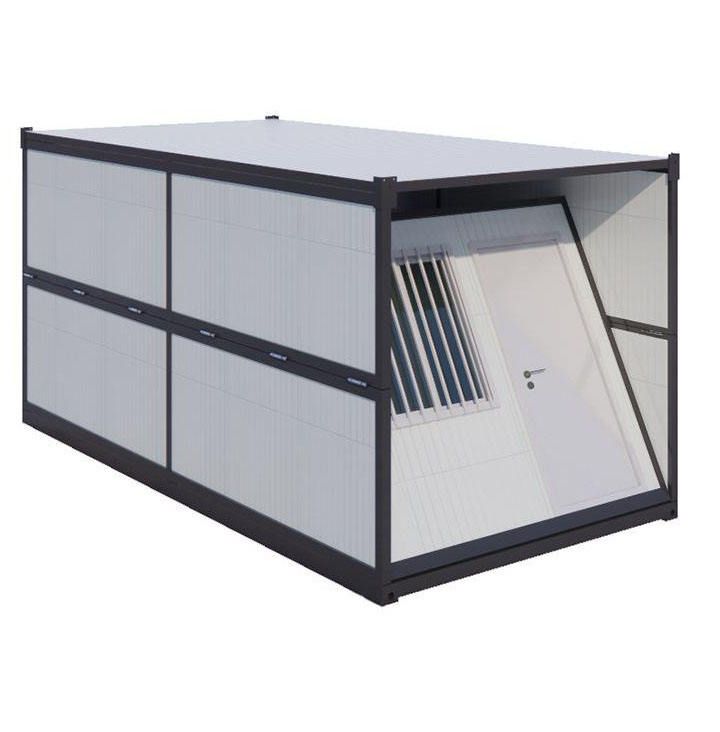
Prefabricated Modular Eco-Friendly Public Toilets: These toilets are specifically designed for areas with water but without sewerage networks. They are prefabricated in factories, with each module completed and assembled within the factory premises. Afterward, they are transported to the site for on-site installation and immediate use. Their advantages lie in their rapid construction speed, enabling them to quickly meet the toilet demands of these areas. Moreover, they have a stable overall structure and comprehensive functions, effectively addressing the toilet needs of local residents and passersby. Additionally, their eco-friendly performance is commendable, aligning with the concept of sustainable development.
Intelligent Mobile Eco-Friendly Toilets: They utilize an integrated water-based microbial fecal storage and degradation technology. This technology combines microbial treatment with a water-based environment, creating a relatively independent ecosystem within the toilet. When feces enter the toilet, microorganisms decompose and degrade them into harmless substances, thereby eliminating the need for traditional sewerage networks to discharge waste. These toilets not only solve the toilet construction challenges in areas without sewerage networks but also feature intelligent management capabilities. They can monitor internal environmental parameters in real-time, such as temperature, humidity, and odor, and adjust them automatically as needed, providing users with a more comfortable and hygienic toilet environment.
Huajie Mobile Toilets: In the absence of a sewerage system, they employ various treatment technologies. The packaging treatment technology allows for the collection and packaging of feces for subsequent treatment and transportation. Microbial treatment technology utilizes the decomposition action of microorganisms to convert feces into useful substances such as organic fertilizers. Small-scale sewage treatment technology can purify the sewage generated by the toilets to meet discharge standards. Furthermore, the negative pressure induction water-saving toilet introduced in 2015 is a notable highlight. This technology uses air instead of water to remove waste, significantly reducing water consumption to only 5% - 10% of that of traditional flush toilets. It not only conserves water resources but also reduces reliance on the sewerage system.



