Mobile Toilets for Tibet
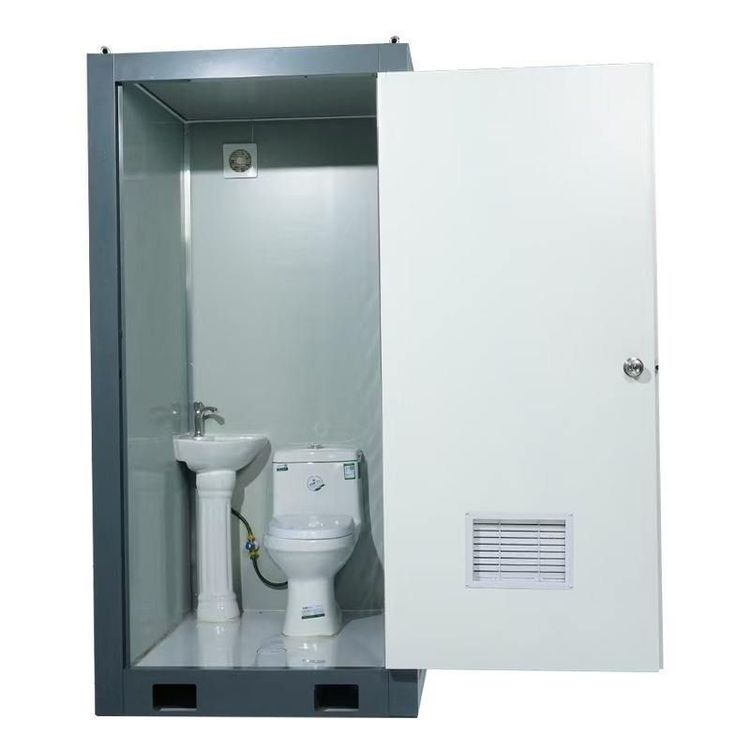
Mobile toilets for Tibet feature modular design, adaptability to high-altitude environments, environmental protection and energy efficiency, ease of cleaning and maintenance, scientific installation and site selection, as well as diverse supply and leasing services.
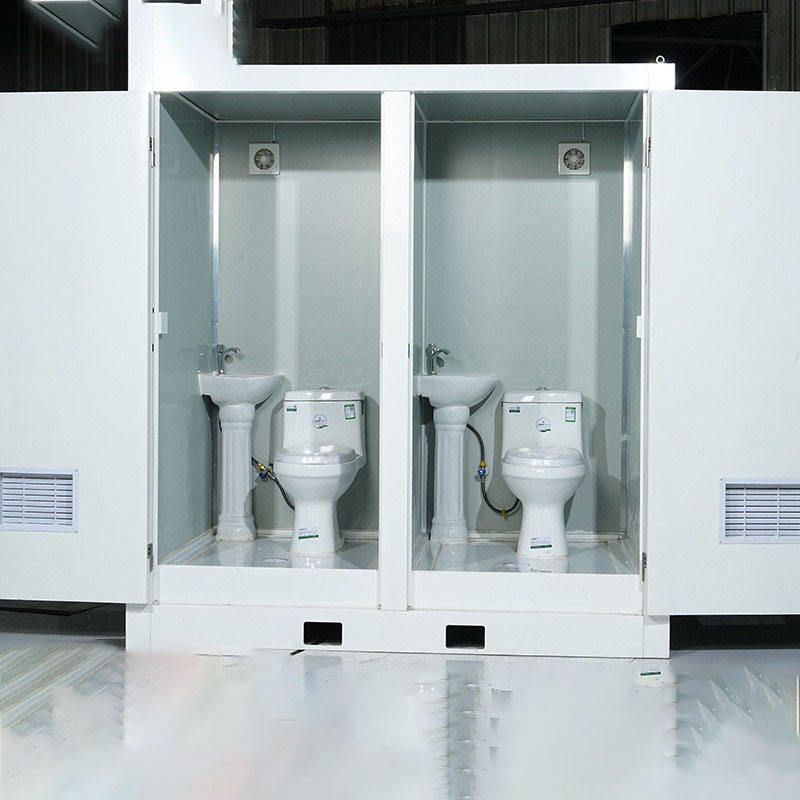
I. Modular Structural Design Mobile toilets adopt a modular structure composed of three main modules: a treatment unit, a storage unit, and an auxiliary system. The treatment unit transforms solid waste through biodegradation or physical separation and is equipped with an independent urine diversion device. The storage unit is divided into two isolated chambers for temporary storage of solid decomposition products and liquids, effectively reducing odor diffusion.
II. Adaptability to High-Altitude Environments Tailored to the characteristics of the Tibetan Plateau, including low pressure, large diurnal temperature variations, and scarce water resources, mobile toilets have undergone specialized optimizations:
- The biodegradation unit is equipped with a pressure regulation device to mitigate the impact of low-pressure environments on microbial activity rates.
- Pipes and storage units utilize flexible connection materials and thickened insulation layers (twice that of low-altitude areas) to prevent structural damage caused by thermal expansion and contraction and ensure that excreta do not freeze in winter.
- Closed-loop water resource design: Handwashing wastewater is filtered and recycled for toilet flushing, with single-use water consumption controlled to less than 0.5 liters. When pipes freeze in winter, the system can switch to a waterless mode, using biodegradable materials to cover excreta and control odors.
III. Environmental Protection and Cleaning Maintenance
- Cleaning cycle: The solid storage area is cleaned once a month, and the liquid storage area is disinfected weekly.
- Cleaning agent selection: Highly biodegradable formulas are used to avoid secondary pollution to the high-altitude ecological environment.
- Waste disposal: Specialized sealed containers are used for transportation, and waste is transported to designated treatment stations for harmless disposal.
- Maintenance personnel training: Maintenance personnel must undergo specialized training for high-altitude operations to ensure standard operation.
IV. Scientific Installation and Site Selection
- Geological and ecological assessment: Before installation, soil permeability tests are conducted to ensure no contamination of groundwater sources.
- Elevated base design: An air isolation layer of at least fifteen centimeters is maintained between the building foundation and the ground surface to reduce interference with the thermal balance of the permafrost layer.
- Visual harmony: Dark colors are predominantly used to reduce visual abruptness and avoid startling wildlife with light-colored surfaces.
V. Supply and Leasing Services
- Product supply: Manufacturers offer products such as Tibetan mobile toilets, Lhasa mobile toilets, and packaged mobile public toilets, with prices starting at 98,000 yuan and a minimum order quantity of one unit. Additionally, outdoor finished mobile public toilets are available for 1,200 yuan per unit, supporting nationwide delivery and customization.
- Leasing services: Covering scenarios such as marathons, concerts, music festivals, and construction sites, flexible short-term or long-term leasing plans are provided.