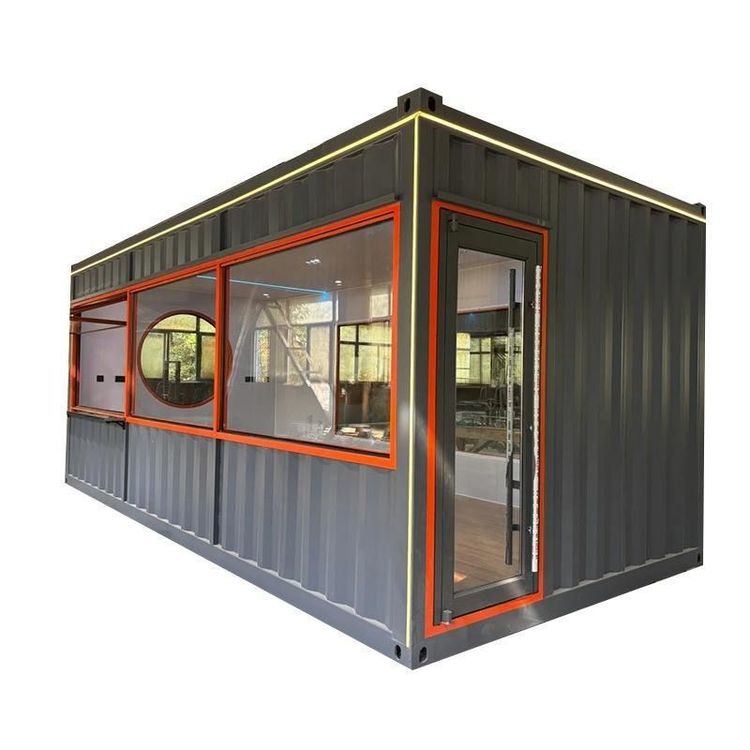
Mobile Toilet Without Sewer
Mobile toilets indeed do not have sewer connections. They operate independently through built-in sewage collection and treatment systems, eliminating the need for connection to municipal drainage networks.

The core design of mobile toilets lies in their sewage collection and treatment mechanisms, which are key to their independence from sewers. Common treatment methods include vacuum collection and recirculating water treatment. Vacuum collection utilizes negative pressure principles, with a vacuum pump generating suction to directly draw feces and a small amount of sewage into a sealed storage tank. This method uses minimal water, requiring only about 0.5 liters per flush, significantly less than the 6-10 liters used by traditional toilets. Moreover, the sealed storage tank effectively prevents odor leakage. Recirculating water treatment, on the other hand, purifies sewage through built-in biodegradation or chemical treatment systems. For instance, biodegradation systems use microorganisms to decompose organic matter, converting sewage into recyclable clean water for subsequent flushing. Chemical treatment systems, by adding disinfectants and flocculants, remove impurities and pathogens from sewage, enabling water resource recycling.
This characteristic of mobile toilets offers significant advantages. Low operating costs are a major highlight, as the absence of sewer pipelines and septic tank construction drastically reduces initial investment and ongoing maintenance expenses. Strong adaptability is another crucial feature, allowing mobile toilets to function normally in cold winters or remote areas without being affected by freezing or drainage conditions. Wide application scenarios include cultural tourism attractions, municipal streets, residential communities, temporary events, field operations, and remote regions, meeting diverse toilet needs across various settings.
Furthermore, the environmental performance of mobile toilets is noteworthy. By reducing water consumption and sewage discharge, they effectively alleviate environmental pressure, aligning with sustainable development principles. Additionally, their modular design facilitates easy installation and disassembly, enabling flexible adjustment of positions and quantities based on actual needs.