Mobile Toilet with Septic Tank
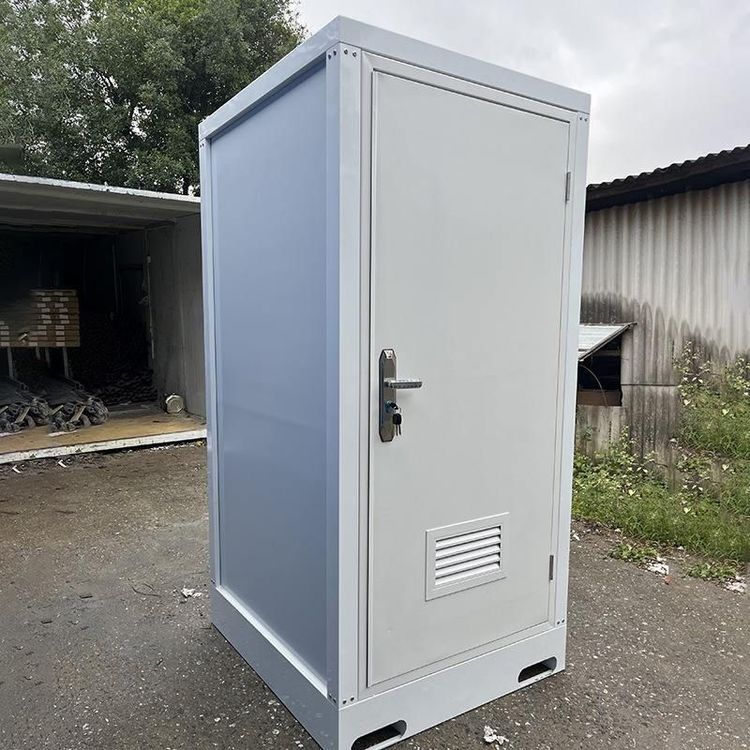
A mobile toilet with a septic tank is a portable sanitation facility that integrates a septic tank system, suitable for scenarios without external sewage pipelines. It treats waste through anaerobic decomposition, offering both flexibility and environmental friendliness.
Core Features
- High Independence: No need to connect to external sewage pipes; relies on the built-in septic tank for preliminary treatment, suitable for outdoor events, construction sites, temporary gatherings, etc.
- Mobile Design: Equipped with wheels or handles, the outer shell is made of corrosion-resistant and easy-to-clean polyethylene materials, with a modular structure for easy assembly and disassembly.
- Customizability: Materials can be chosen from fiberglass, cement, etc.; structural forms include integral winding, buried, and assembled types; sedimentation tank types cover horizontal flow and natural sedimentation types, meeting diverse needs.
Working Principle
The septic tank, as the core component, is a sealed container. After waste enters, anaerobic bacteria decompose organic matter in an oxygen-free environment, producing biogas and sediment. The biogas is safely vented through a ventilation system, while the sediment accumulates at the bottom of the tank, significantly reducing volume and odor. This process does not require chemical additives and relies on natural microbial activity to achieve waste reduction.
Components and Functions
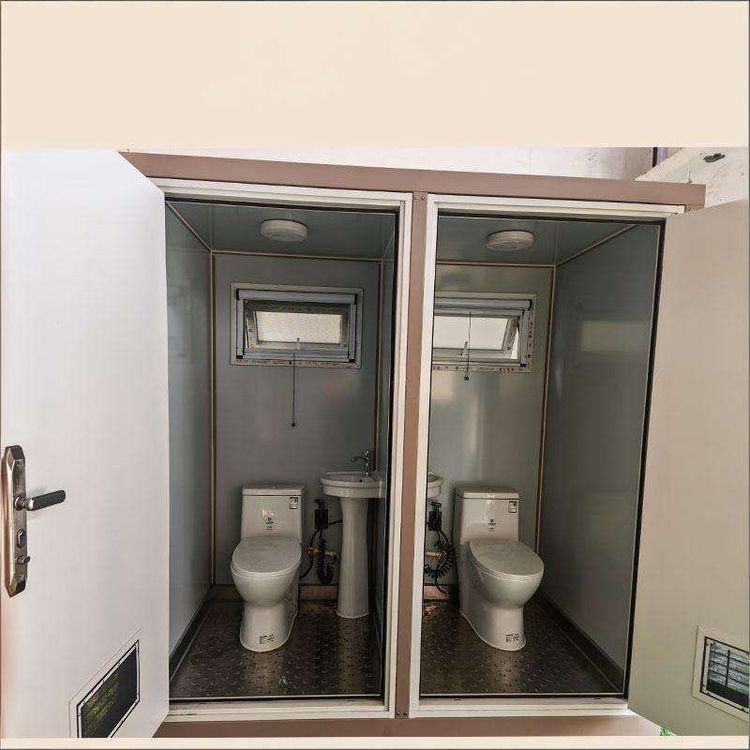
Taking a new integrated toilet as an example:
- Shower Room: Equipped with an adjustable showerhead and a 304 stainless steel faucet, the non-slip marble floor and sloped tiles ensure smooth drainage, with a sealed box to prevent leaks.
- Wash Area: Features a pedestal sink and a stainless steel faucet, simple and practical.
- Toilet Area: Includes men's urinals, flush valves, and corrugated roof panels, with marble floors and partitions for privacy, and a drainage outlet located below the steps.
Usage and Maintenance Guidelines
- Usage Rules: Do not dispose of non-waste items such as tissues and debris to avoid clogging the septic tank.
- Regular Cleaning: Have professionals use a fecal suction truck to pump out sediment. For high-frequency usage scenarios, cleaning is required weekly to monthly, with a single cost of around several hundred yuan, varying by region and frequency.
- Maintenance Focus: Choosing high-quality products and regular servicing can prevent odor leaks and extend service life.
Application Scenarios and Advantages
- Scenarios: Outdoor music festivals, sports events, remote areas, and other temporary or infrastructure-less locations.
- Advantages: Flexible deployment to quickly meet sanitation needs; septic tank treatment reduces the risk of soil and water source pollution, making it more hygienic and sustainable compared to simple toilets.
Environmental and Hygiene Considerations
- Environmental Friendliness: Reduces direct waste discharge and partially degrades organic matter, lowering the carbon footprint. However, improper maintenance can lead to odors or leaks, emphasizing the importance of product selection and service frequency.
- Hygiene: Usually equipped with hand sanitizer or cleaning agents to enhance user experience and reduce the risk of cross-infection.