
Back to blog
Article
Wind Resistance of Mobile Toilets
Admin October 06, 2026
The overall wind resistance of mobile toilets ranges from 8 to 12 levels, with specific values depending on product design, materials, and installation techniques. The following provides an in-depth explanation from three perspectives: core influencing factors, wind resistance performance of different types, and methods to enhance wind resistance.
Core Influencing Factors
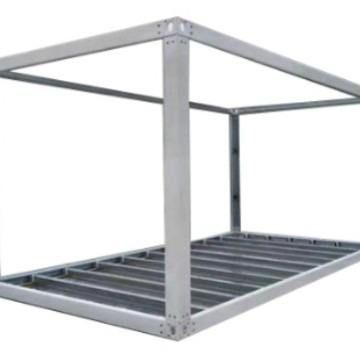
- Structure and Weight: Mobile toilets with a reasonable structural design, a low center of gravity, and built-in counterweights exhibit stronger wind resistance. For example, using a steel frame or reinforced plastic as the main body and ensuring firm connections through welding can enhance overall stability. In contrast, toilets made of lightweight, flimsy plastic with a high center of gravity are less stable and prone to being blown over.
- Installation and Fixing: Using expansion bolts for fixation or adding wind-resistant cables can significantly reduce wind resistance risks. If installation is not standardized or the toilet is not effectively secured, even a structurally sound toilet may be blown over. For example, basic mobile toilets require the use of expansion bolts or counterweight blocks to secure the bottom to achieve a wind resistance rating of 8.
- Wind Intensity: If the wind force exceeds the designed wind resistance level, even a well-secured and properly installed toilet may be blown over in extreme winds (such as typhoons). Therefore, it is essential to select a product with a wind resistance rating that matches the intended usage scenario.
Wind Resistance Performance of Different Types
- Basic Model: Made of anti-corrosion galvanized steel sheets, aluminum alloy, or engineering plastics, it can withstand winds up to level 8 and is suitable for typhoon-prone areas or soft ground sites.
- Steel Frame Model: The frame undergoes triple anti-rust treatment, offering wind resistance above level 10. Some products also meet level 8 earthquake resistance requirements and have a service life exceeding 20 years.
- Prefabricated Mobile Toilet: With a frame-type steel structure as the load-bearing component, it has a wind resistance rating of no less than level 10 and an earthquake resistance rating of no less than level 7.
- Extreme Weather Special Model: Such as modular booth-style mobile toilets, which can withstand winds up to level 12 and cope with super typhoons.
- Biodegradable Ecological Model: If reinforced with national standard steel frames, its wind resistance rating generally does not exceed level 10.
Methods to Enhance Wind Resistance
- Structural Material Optimization: Choose steel structures or reinforced plastics as the main frame, use high-strength panels such as metal carved insulation boards for exterior walls, and double-sided fireproof materials for interior walls.
- Installation and Fixing Reinforcement: Use expansion screws, embedded parts for fixation, or heavy objects for ballast to increase adhesion and load-bearing capacity.
- Surrounding Environment Consideration: Avoid placing the toilet in open areas or windy locations to reduce direct wind impact.



