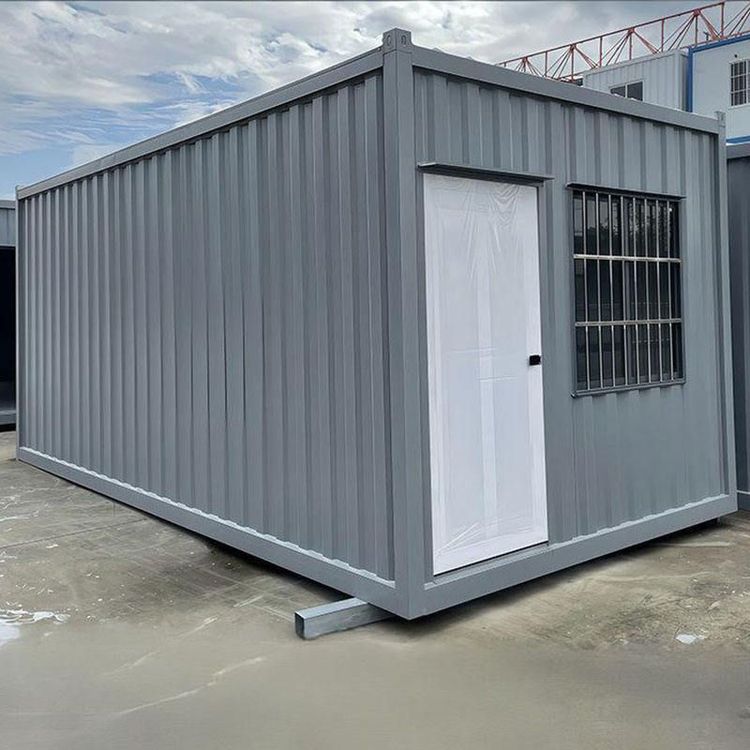
Mobile Toilet Management Measures
The management measures for mobile toilets cover five main aspects: site selection and layout, facility hygiene, maintenance and cleaning, usage norms, and information disclosure. Details are as follows:

I. Site Selection and Layout Management
The site selection of mobile toilets should balance convenience and safety: they should be located near areas with high pedestrian traffic but avoid obstructing passage, stay away from strong wind areas and areas directly exposed to rain, and maintain a reasonable distance from drinking water points and food supply areas to prevent contamination. In the same area, they should be uniformly arranged in groups, with clear entrance and exit signs to ensure smooth user flow. For privacy protection, complete curtains or door panels should be provided, and visual barriers should be set up at the entrance. The signage system should use clearly contrasting signs and be equipped with clear lighting signs (such as emergency lighting or photosensitive lights) that are visible day and night. Safety design should include simple and reliable door locks, anti-pinch structures, and emergency call devices or linked alarm buttons inside.
II. Internal Facilities and Hygiene Standards
Material selection should focus on durability and ease of cleaning: walls and floors should use waterproof, corrosion-resistant, non-slip, and wear-resistant materials, with internal corners designed as rounded to reduce hygiene dead zones. The ventilation system should combine natural ventilation with auxiliary exhaust, and lighting fixtures should preferably be waterproof and explosion-proof. The handwashing area should be equipped with running water, soap, and disposable paper towels, with disinfectant and hand-drying equipment added if necessary. Privacy protection should be achieved through complete window and door barriers and smooth door locks, while also reserving space for wheelchair passage and designing entrances that comply with accessibility standards. Waste management should include covered trash bins, which should be regularly emptied and store waste paper, hand towels, and other waste separately.
III. Maintenance and Cleaning System
Cleaning frequency should be dynamically adjusted based on usage intensity: at least one comprehensive cleaning should be conducted before and after peak periods, with routine maintenance carried out in segments throughout the day. Cleaning supplies should be uniformly configured with disinfectants, rags, and tools, and the cleaning process should be strictly carried out by zone to avoid cross-contamination. A rapid response mechanism should be established for equipment failures, with clear repair timelines for issues such as malfunctioning door locks, leaking faucets, and clogged drains to ensure facilities are always available.
IV. Usage Norm Management
Users should adhere to basic hygiene standards: they are prohibited from discarding garbage, cigarette butts, or other debris, should flush promptly after use, and must not occupy passages or stack items. Special scenarios require targeted management: large-scale events should plan the number and location of toilets in advance and arrange for on-site guidance; scenic spots should dynamically adjust cleaning frequency based on tourist traffic; construction sites and other venues should strengthen anti-leakage treatment to prevent soil or water source contamination.
V. Information Disclosure and Resource Management
Temporary facilities should post clear notices explaining their usage nature, service targets, and opening hours to avoid public misuse. Management should assess actual needs and balance the temporary toilet needs of construction parties and citizens. For example, construction site toilets could be opened to nearby residents during non-construction hours, while optimizing resource allocation through staggered usage.