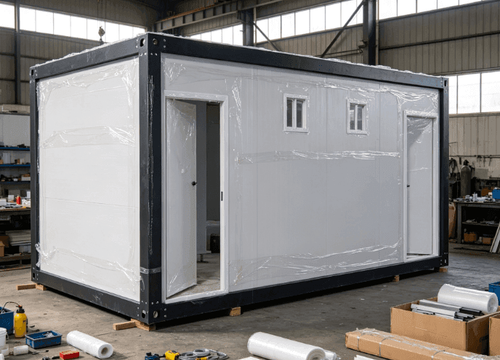
Mobile Toilet Wind and Earthquake Resistance
The wind and earthquake resistance performance of mobile toilets can be significantly enhanced through various aspects such as structural design, material selection, and fixing techniques, meeting safety requirements in different scenarios.
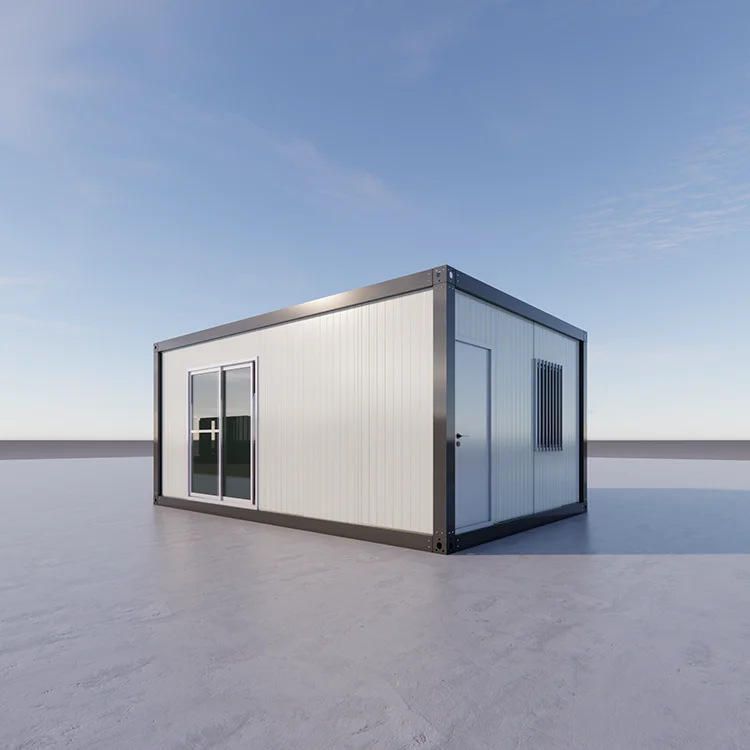
1. Structural Design: Strengthening the Frame and Support System
Mobile toilets utilize high-strength galvanized square tubes welded into a steel structural frame. The steel thickness at key load-bearing parts is no less than 2.5mm, and an innovative diagonal bracing system is equipped, enabling them to withstand wind speeds of up to 12 levels and meet the load requirements for earthquakes of magnitude 8. For example, a certain product successfully withstood gusts of up to 14 levels during extreme weather tests in Fuzhou using a patented wind-resistant fixing device, validating the reliability of the structural design. Some high-end customized products adopt a plate-ribbed structure with a steel frame welded for further enhanced overall stability.
2. Material Selection: Adapting to Different Environmental Needs
Material selection is tailored to different usage scenarios. In cold regions, double-layer insulated walls and electric auxiliary heating systems are used to ensure structural stability in low-temperature environments. In coastal areas, full stainless steel 304 structures are employed, with key connection points reinforced with military-grade bolts to effectively resist salt spray corrosion and strong winds. The floor material is selected as non-slip advanced gray tiles, enhancing both safety and overall structural integrity.
3. Fixing Techniques: Addressing Challenges in Special Terrains
Composite foundation fixing techniques, combining screw piles with pre-stressed steel cables, control settlement deviations to within 3mm during installation on special terrains such as hillsides and beaches, significantly reducing structural risks caused by unstable foundations. Additionally, construction sites use fully welded steel structures with anti-displacement brackets, tourist attractions employ concealed ground anchor systems, and temporary events recommend a weight block + strap fixing mode to ensure safety in different scenarios.
4. Scenario-Based Solutions and Engineering Verification
Professional manufacturers provide customized solutions based on usage scenarios, such as emphasizing concealment and wind resistance in tourist attractions and durability and anti-displacement capabilities on construction sites. Meanwhile, products must undergo systematic strength tests, including 72-hour continuous load tests, vibration table tests simulating magnitude 8 earthquakes, and wind tunnel laboratory airflow impact tests, to ensure compliance with wind and earthquake resistance standards. Common products on the market (such as those provided by Beijing Shunxi Yijie Technology Co., Ltd.) also emphasize earthquake and wind resistance performance and are equipped with portable designs and rapid deployment features, suitable for large-scale events and scenic spots.