Mobile Toilet Wheel Video
Currently, we cannot directly provide content related to the 'mobile toilet wheel video', but we can introduce the design principles and application scenarios of mobile toilet wheels based on existing information.

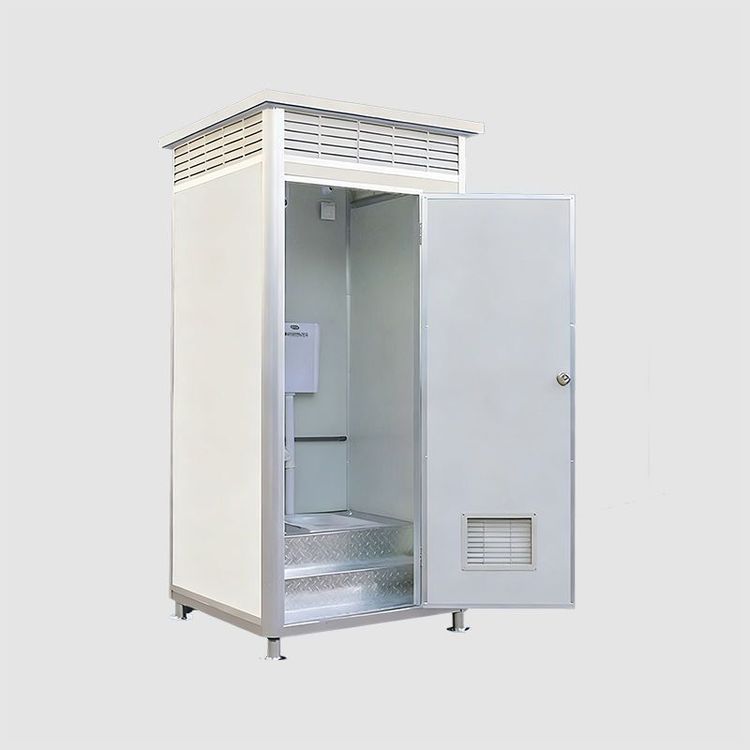
The design of mobile toilet wheels primarily serves the core need of 'mobility'. Their structure typically includes components such as the wheel body, bearings, a fixed bracket, and a braking device. Taking common street-side mobile toilets as an example, their bases often use high-strength plastic or metal wheels with diameters generally ranging from 10 to 20 centimeters. These wheels not only ensure load-bearing capacity (usually capable of carrying 200 to 500 kilograms) but also enable 360-degree flexible steering through the use of universal wheels, facilitating position adjustments in narrow spaces. For instance, a mobile toilet used in a scenic spot in Shanghai featured wheels with rubber-coated metal cores, which reduced noise during movement and enhanced ground friction through anti-slip patterns, preventing slippage.
The wheel design for portable toilets places greater emphasis on suitability for home settings. For example, a young man modified a traditional fixed toilet into a portable one by installing four universal wheels. These wheels had a smaller diameter (approximately 8 to 12 centimeters) but improved stability through thicker bearings and metal brackets, while also being equipped with braking devices to ensure safety during use. This design is particularly suitable for elderly individuals with mobility issues or families that need to temporarily adjust their bathroom layout.
From a technical perspective, the core of mobile toilet wheel design lies in balancing 'load-bearing capacity' and 'flexibility'. The wheel body material must balance strength and lightweight properties, the bearings must ensure low-resistance rotation, and the fixed bracket must be tightly connected to the toilet's main structure to prevent loosening after long-term use. Some high-end mobile toilets even use electrically driven wheels, allowing movement direction to be controlled via a remote control, further reducing the difficulty of manual handling.
Currently, the application of mobile toilet wheels has expanded to fields such as healthcare and emergency rescue. For example, during the pandemic, some mobile toilets used in Fangcang hospitals featured wheels with added waterproof coatings to adapt to outdoor humid environments. In earthquake-stricken areas, emergency mobile toilets have been designed with widened wheelbases and reinforced brackets to enhance stability on complex terrains. For more detailed design information or to watch related videos, it is recommended to obtain resources through professional industrial design platforms or equipment manufacturer websites.