Waterproof Requirements for Mobile Toilets
The waterproof requirements for mobile toilets cover multiple aspects, including performance levels, material selection, key component design, drainage systems, installation and maintenance, and applicable scenarios, as detailed below:

1. Waterproof Performance Levels
Mobile toilets can achieve a maximum waterproof performance level of IPX7 standard, meaning the equipment is fully protected against water intrusion. Under specified conditions, it can be submerged in water (typically at a depth of 1 meter for 30 minutes) without internal components being damaged or losing functionality. This level is suitable for complex outdoor environments with extremely high waterproof requirements.
2. Material Selection
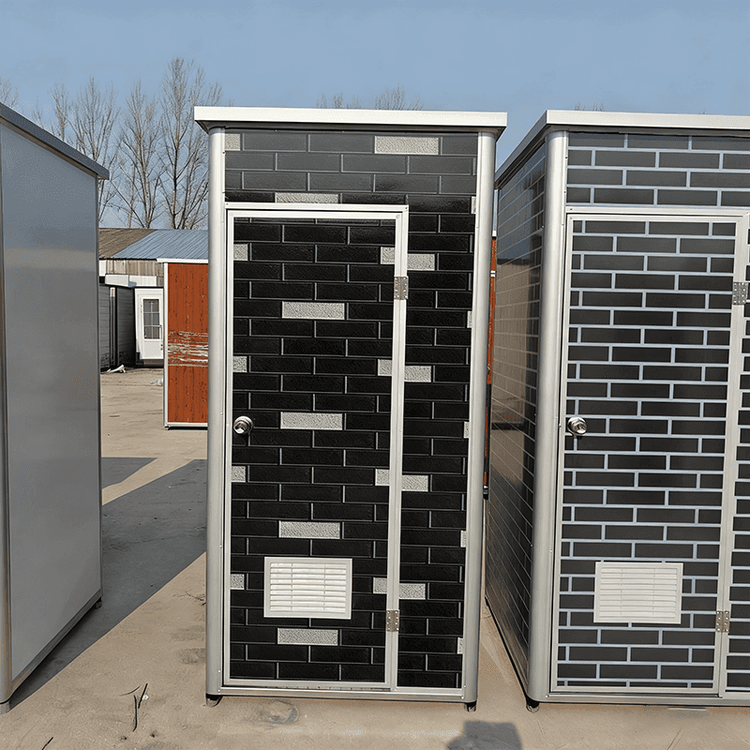
The outer shell material must possess high strength and waterproof properties, commonly using high-quality plastics and metals, with special sealing treatments (such as welding or gluing) to enhance waterproofing. Other auxiliary materials include waterproof adhesives, waterproof coatings, waterproof rubber, and waterproof asphalt, which are used to fill gaps or coat surfaces, forming a continuous waterproof layer.
3. Key Component Waterproof Design
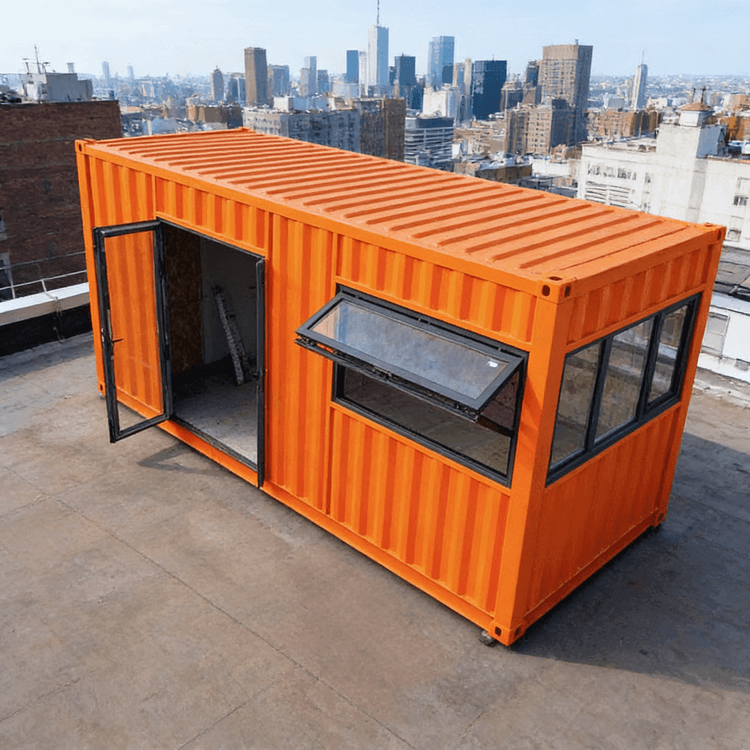
- Doors and Windows: Install sealing strips to prevent rainwater or humid air from entering through gaps.
- Toilets and Sinks: Set up waterproof structures (such as raised edges) and sealing strips around these areas to prevent sewage leakage.
- Drainage Outlets and Pipes: Install waterproof membranes or bags to ensure no leaks at connections, and regularly inspect for aging.
- Equipment Top: Install a rain eave with an extension length of no less than 30 centimeters; in rainy seasons, additional drainage troughs can be installed to guide rainwater away quickly.
4. Drainage System Design
- Anti-backflow Treatment: Install a check valve when connecting the sewage pipe to the municipal system to prevent sewage backflow.
- Water Dam: When installed on the ground, reserve a water dam higher than the surrounding area by 15 centimeters to prevent external rainwater from flowing in.
- Quick Drainage: Design the ground with a slope (usually ≥2%) to ensure that small amounts of standing water can quickly drain to the drainage outlet, preventing internal accumulation.
5. Installation and Maintenance Requirements
- Site Selection and Foundation: The installation location must be at least 15 centimeters higher than the surrounding ground, with the ground hardened and maintained at a slope to prevent rainwater soaking.
- Regular Inspections: Check the equipment's sealing every quarter, clear debris from drainage holes, tighten loose screws, and replace aging seals.
- Special Weather Response: Close ventilation openings and activate dehumidification mode during continuous rainfall; promptly clear standing water after use to prevent internal corrosion caused by moisture.
6. Applicable Scenarios
High-level waterproof mobile toilets are suitable for rainy regions, sites near water sources (such as riversides and lakesides), and humid environments (such as coastal areas). They can effectively handle complex conditions such as heavy rainfall and standing water, ensuring long-term stable operation of the equipment.