
Mobile Toilet Water Supply and Drainage
The water supply and drainage conditions of mobile toilets vary depending on their types, mainly divided into two types: conventional flush-type and high-end mobile flush toilets (integrated).
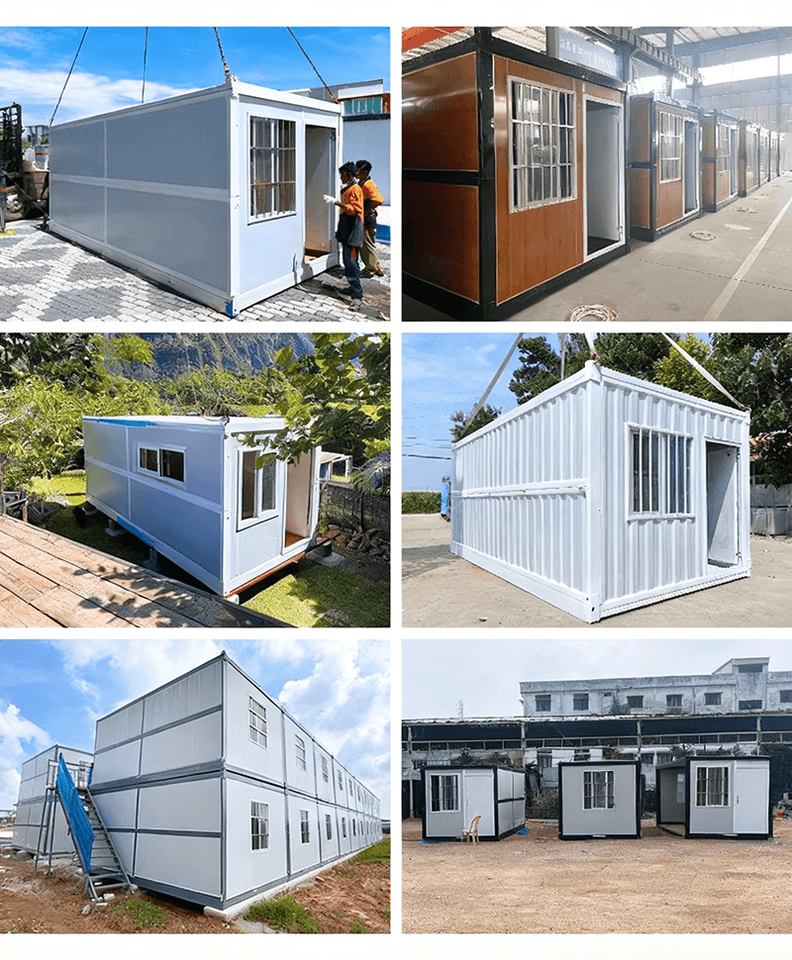
The water supply and drainage design of conventional flush-type mobile public toilets is relatively straightforward, requiring connection to water supply and drainage pipes. Their working principle involves triggering the flushing device through manual or automatic sensing methods to discharge sewage into septic tanks or municipal sewer networks. This design is suitable for various water-rich environments, such as public places like urban streets, parks, and squares. Due to their reliance on external water supply and drainage systems, the installation location requires prior planning of pipe layouts to ensure stable water supply and sewage discharge that complies with environmental protection requirements. In areas with municipal water supply and drainage systems, these mobile toilets can operate efficiently with relatively low maintenance costs, requiring only regular cleaning of septic tanks or inspection of pipe patency.
The water supply and drainage system of high-end mobile flush toilets (integrated) is more flexible, adopting a combination of water-saving toilets and water storage tanks or water supply. Their fecal matter is flushed into collection tanks or septic tanks, suitable for scenarios with water supply and drainage channels, and can also be stored in fecal storage tanks for regular pumping and discharge. This design is suitable for areas with fixed water supply and drainage pipes, as well as for addressing temporary water supply issues through water storage tanks, such as at large event venues or remote areas. Regular pumping and discharge of fecal storage tanks require professional vehicles to ensure harmless treatment of fecal matter and avoid environmental pollution. Additionally, the use of water-saving toilets significantly reduces water consumption, aligning with modern environmental protection concepts, and is particularly suitable for areas with water scarcity or high hygiene requirements.
Both types of mobile toilets emphasize functionality and environmental protection in their water supply and drainage designs, but they are suitable for different scenarios. Conventional flush-type toilets rely on fixed pipes and are suitable for long-term use; high-end integrated toilets balance flexibility and water-saving needs, suitable for temporary or mobile scenarios. The choice should be based on a comprehensive assessment of actual needs, site conditions, and maintenance capabilities.



