
Mobile Toilet Water Storage
The water storage design of mobile toilets is usually achieved through water tanks or modified water storage containers, with the core function of providing water for flushing, cleaning, and other processes. The specific design varies depending on the application scenario and production method.
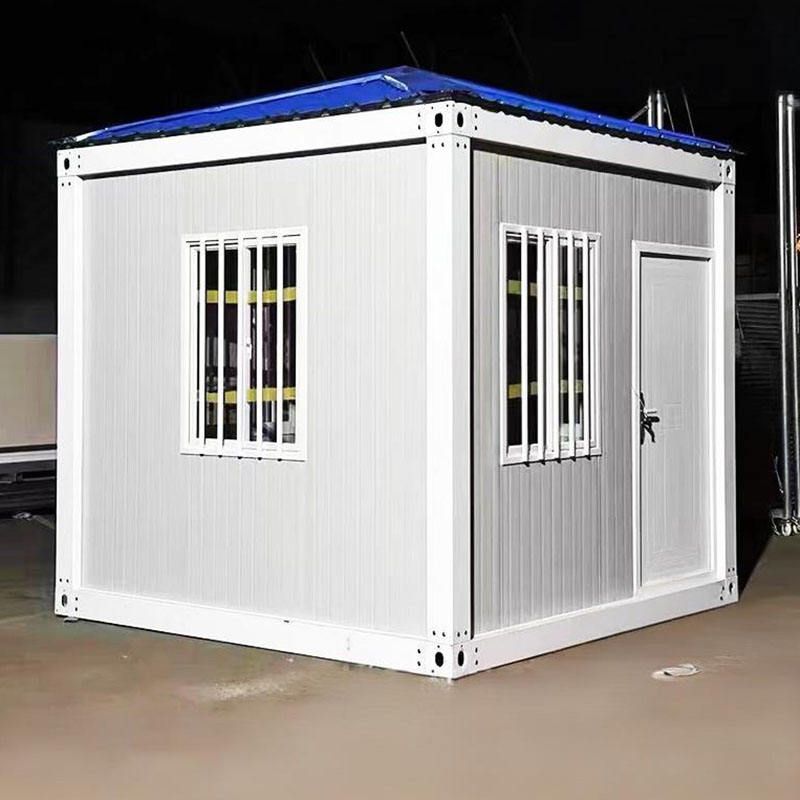
1. Modified Water Storage Tank Solution
In some cases, water storage tanks are directly used as the main structure of mobile toilets. By cutting an opening at the top of the tank for the toilet space, installing a drainage device (such as a drain pipe or valve) at the bottom to form a floor drain, and drilling holes on the side to connect to external water sources or water tank interfaces. This design integrates water storage and toilet functions, with the tank itself serving as both a water storage container and a toilet frame, suitable for temporary or emergency scenarios. For example, in wilderness construction or disaster relief, such designs can be quickly deployed, but regular cleaning of sewage in the tank is required, and the water storage capacity is limited by the tank volume.
2. Modular Design Using Water Storage Buckets
Another common solution is to use water storage buckets as basic components and achieve functional expansion through modular assembly. Specific operations include drilling a hole at the bottom of the bucket to install a drain pipe to form a floor drain, drilling holes on the side to connect to water pipe interfaces; setting up a small water storage device (such as a plastic water tank) above the bucket and connecting it to equipment such as toilets, showers, and sinks through pipes. This design offers high flexibility, allowing equipment to be added or removed according to needs, such as installing only a toilet and water tank to form a simple toilet, or adding a shower and sink to create a complete bathroom unit. Its advantages include low cost and detachability, but attention should be paid to the durability of the bucket material (such as the aging of plastic buckets) and the sealing of interfaces.
3. Standardized Mobile Toilet Components
Industrially produced mobile toilets usually adopt standardized components, with the water tank being an independent water storage module. According to standards such as the "General Technical Conditions for Mobile Toilets", such toilets consist of fecal sewage storage tanks, floor slabs, sanitary ware, walls, washing equipment, water tanks, roofs, and mobile devices. The water tank is generally located at the top or side of the toilet, supplying water for toilet flushing and sinks through water pumps or gravity. Some high-end models are also equipped with circulation and filtration systems to achieve the reuse of water resources. This design is suitable for long-term use scenarios, such as scenic spots and construction sites, but regular maintenance of the water tank and pipes is required to prevent blockages or leaks.
Summary of Design Points
The core of mobile toilet water storage design is to balance water storage capacity, portability, cost, and functional integrity. Modified designs (such as water storage tanks and water storage buckets) are suitable for temporary use, emphasizing rapid deployment and low cost; standardized components focus more on durability and user experience but require professional installation and maintenance. Regardless of the solution, it is essential to ensure that the drainage system is unobstructed to prevent the accumulation of sewage and affect hygiene.



