
Mobile Toilet Water Inlet and Drainage
The water inlet and drainage systems of mobile toilets vary depending on their types. Flush and recirculating flush mobile toilets have complete water inlet and drainage functions, and some intelligent and eco-friendly types are even equipped with advanced equipment. Even simple, homemade mobile toilets can have basic systems built.
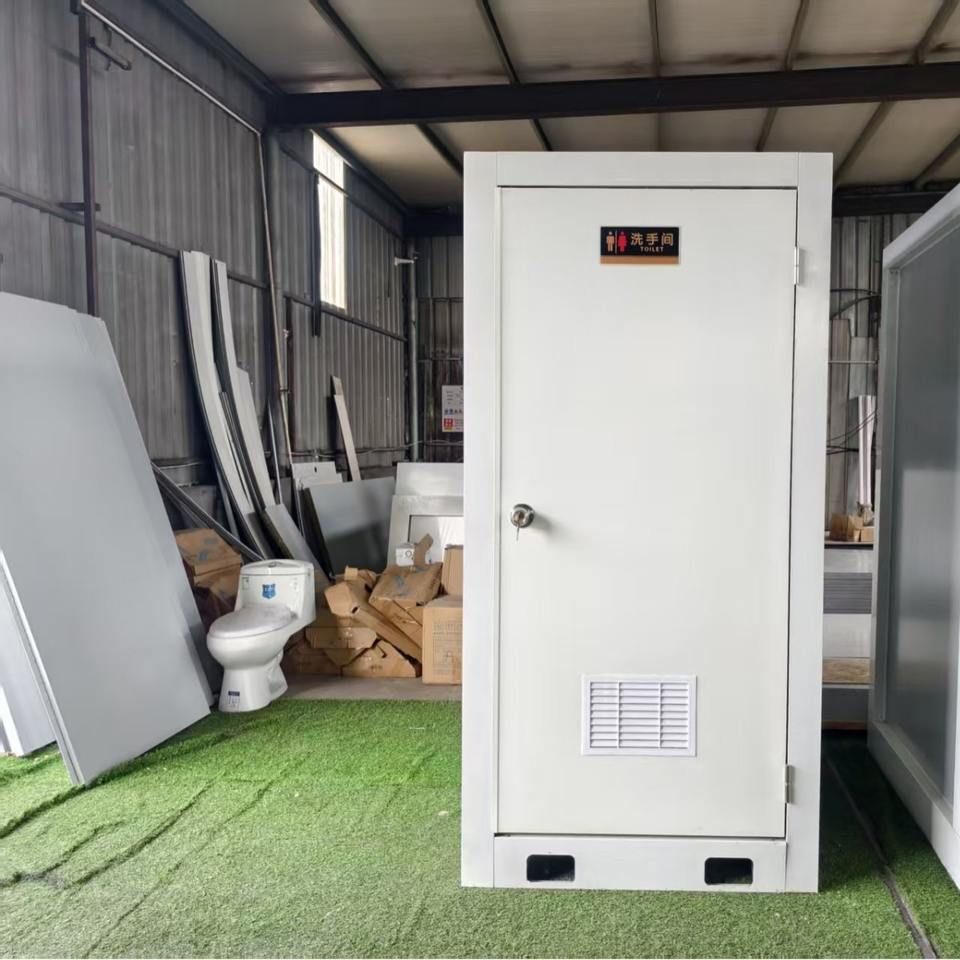
The water inlet and drainage system of flush-type mobile toilets is relatively traditional. For water inlet, it relies on a water tank to provide flushing water. The water tank is generally installed at an appropriate position such as the top or side of the mobile toilet and is connected to the toilet's flushing device through pipes. When the user presses the flush button, the water in the water tank quickly flows into the toilet through the pipes to complete the flushing action. For drainage, fecal sewage flows through a dedicated drainage pipe into a fecal sewage storage tank, which is usually located at the bottom of the mobile toilet and has a certain capacity to temporarily store the sewage. When the storage tank is nearly full, a suction device is required to pump out the sewage and transport it away for treatment.
The water inlet and drainage system of recirculating flush-type mobile toilets is more eco-friendly and efficient. In the water inlet stage, it also has a water tank, but the water in the tank can be recycled after special treatment. For example, through processes such as filtration and disinfection, the used sewage is purified and then stored back into the water tank for the next flushing use, greatly reducing water consumption. When draining, the sewage first enters a treatment device. After a series of treatment processes, the clean water returns to the water tank, while the remaining small amount of impurities are collected in a dedicated container for regular cleaning.
The water inlet and drainage systems of some intelligent and eco-friendly mobile toilets are even more advanced. They may be equipped with intelligent sensing devices that can automatically sense the user's needs and precisely control the amount of water inlet and drainage, further improving water resource utilization efficiency. At the same time, they may also adopt new sewage treatment technologies to make the treated water quality higher, even reaching the standard for reclaimed water reuse.
In addition, when making a mobile toilet using materials such as water storage tanks, holes can be made in the internal floor of the water storage tank, and elbows and water pipes can be inserted and the gaps sealed. The toilet's drainage outlet is aligned with the drainage hole and fixed in place. At the same time, faucets, washbasins, etc. are installed to form a basic water inlet and drainage system to meet daily use needs.



