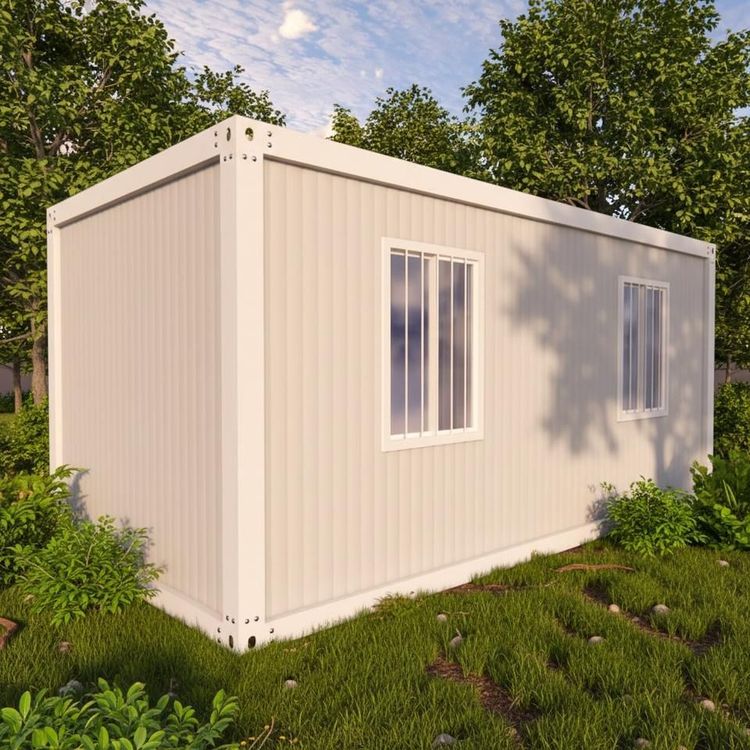
Water and Electricity Installation for Mobile Toilets
The requirements for water and electricity installation in mobile toilets vary depending on the type, with some needing access to water and electricity and others not. Details are as follows:
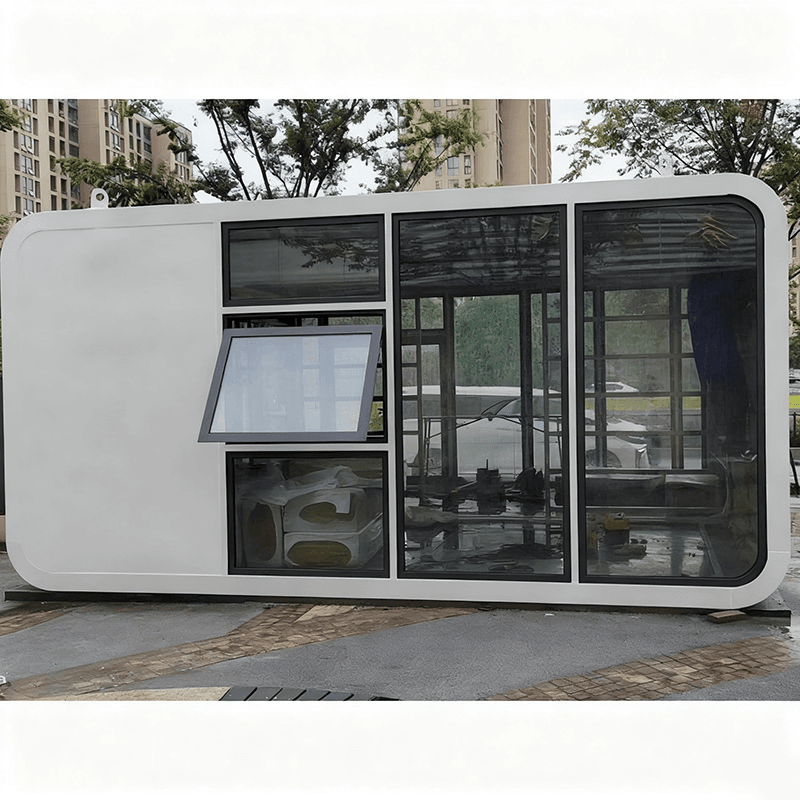
Flush-type mobile public toilets: Must be connected to water and electricity. The water supply is mainly used for flushing the toilets and providing water for the hand-washing sinks to ensure cleanliness and hygiene. The electricity supply is used to ensure the normal operation of equipment such as lighting and exhaust fans. For some flush-type mobile public toilets equipped with water heaters, the electricity supply also needs to power the water heaters to meet users' needs for hot water for hand-washing, etc.
Waterless flush mobile public toilets: Do not require access to water and electricity. They use biodegradation technology or sealed collection methods to treat waste. The toilets do not need flushing water and rely on their special structural design to collect and degrade waste. The entire process does not require a power supply, saving water resources and eliminating dependence on electricity. They are suitable for places where access to water and electricity is inconvenient.
Solar-powered mobile public toilets: Do not require connection to the power grid. They rely on solar panels installed on the roof to generate electricity, which can meet the power needs of basic equipment such as lighting and exhaust fans inside the toilets. This type of mobile public toilet can be equipped with either flush or waterless flush functions. If equipped with a flush function, a water supply still needs to be connected, but electricity can be supplied by solar power. If equipped with a waterless flush function, there is no need to connect to either the power grid or a water source.
Customized mobile toilet units in packing boxes: Can be used after being hoisted and landed and connected to water and electricity. The water and electricity systems and pipes inside are all installed in a concealed manner. This design not only makes the appearance of the toilets neater and more aesthetically pleasing but also effectively protects the water and electricity pipes from damage by external factors, extending their service life.
Popular container-style mobile toilets with six squatting positions for men and women: Are fully equipped with sanitary fixtures, water, and electricity. They can be put into use after being landed and connected to water and electricity. These mobile toilets usually pay more attention to aesthetics and practicality in design, can meet the needs of a relatively large number of users, and are suitable for placement in scenic spots, event venues, and other places with a high density of people.