Working Principle of Mobile Toilet Vehicle
The working principle of the mobile toilet vehicle is based on modular integration and the coordinated operation of independent systems, enabling flexible movement and independent use through the integration of functional units on the vehicle chassis.

1. Modular Integrated Design
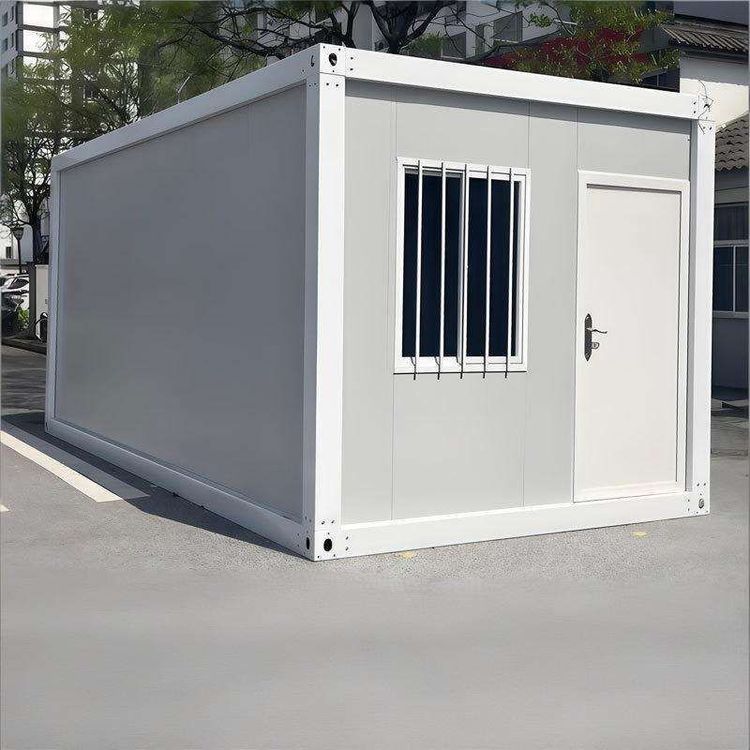
The core of the mobile toilet vehicle is to modularize toilet functions and integrate them onto the automotive chassis, forming a mobile and independent unit. The entire vehicle consists of components such as the chassis, container body, toilet unit, sewage storage system, water supply system, and ventilation system. The chassis provides mobility, the container body serves as the functional carrier, and the toilet unit includes basic facilities such as squat toilets or sit toilets and handwashing basins. Each system is connected through pipes and circuits to form a complete and independent sanitation unit.
2. Coordination of Water Supply and Sewage Storage Systems
The water supply system relies on an onboard freshwater tank and uses a micro-pump to provide pressurized water for automatic flushing. The sewage storage system employs a corrosion-resistant polyethylene tank with a capacity designed according to needs (ranging from several hundred to several thousand liters) to directly collect feces and sewage. Some high-end models are equipped with sewage recycling treatment devices that use technologies such as filtration and disinfection to achieve water reuse; or they adopt rapid degradation technologies to reduce the volume of pollutants and enhance environmental performance.
3. Ventilation and Odor Control
The ventilation system uses forced exhaust ventilation, drawing internal air out through small fans to create a negative pressure environment and prevent odor leakage. Some models are equipped with additional air inlets to introduce fresh external air, creating a convection cycle. Technologically, vacuum suction or chemical degradation techniques can further seal and treat excreta to prevent odor diffusion and ensure a comfortable usage environment.
4. Power and Automated Driving
The power system utilizes the vehicle's own electricity or an onboard battery to drive the vacuum pump, agitator, and automatic flushing device. The vacuum pump sucks excreta into the sewage tank through negative pressure, the agitator assists in the chemical degradation process, and the automatic flushing device is controlled by a water level sensor or timer to achieve water-saving and efficient operation.
5. Flexible Deployment and Cleaning
Upon arrival at the designated location, the toilet unit is deployed using hydraulic or mechanical structures without the need for fixed piping connections, allowing immediate use. After use, the sewage tank can be emptied by a dedicated sewage suction truck or cleaned by quickly replacing the water tank. The entire vehicle can be rapidly relocated to the next site, adapting to scenarios such as temporary events and disaster relief.
The mobile toilet vehicle achieves the mobilization and efficiency of sanitation facilities through modular design, coordinated operation of independent systems, and automation technology, providing a flexible and reliable solution for areas without fixed piping.