Back to blog
Article
Mobile Toilet Vehicle Sewage Disposal
Admin September 22, 2026
Mobile toilet vehicle sewage disposal involves two main aspects: sewage disposal methods and sewage system maintenance, as detailed below:
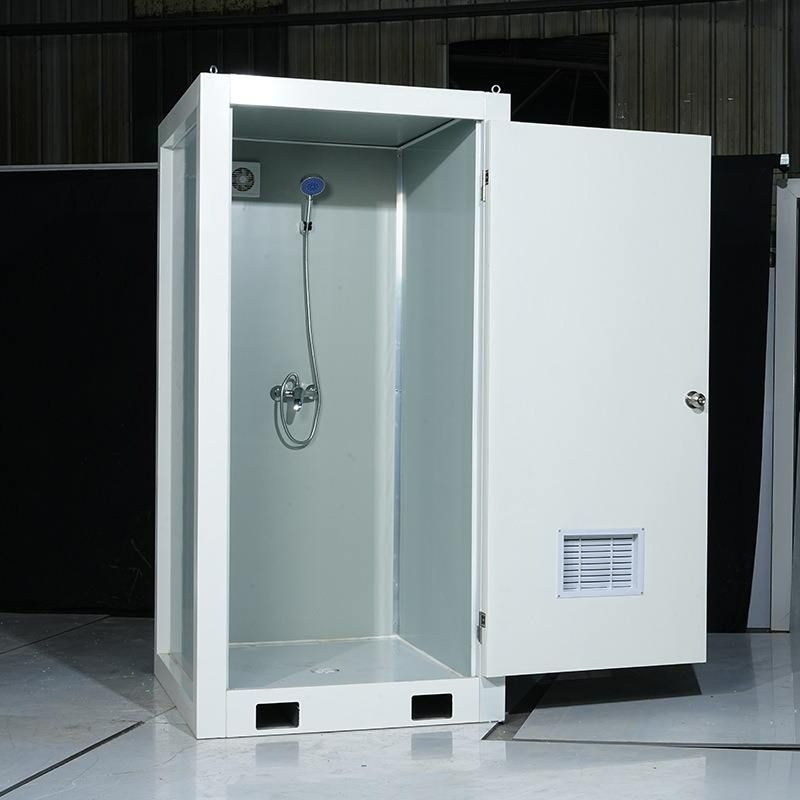
Sewage Disposal Methods
- Conventional Water-Flush Type: This is a relatively common sewage disposal method that requires connection to water supply and drainage pipes. Sewage is discharged into septic tanks or municipal sewage networks through manual or automatic sensing. This method is simple to operate but requires relatively well-developed water pipe facilities.
- Vacuum Sewage System: Utilizing the principle of negative pressure, a vacuum pump sucks sewage and waste into a collection container. It is highly efficient and uses less water, effectively preventing sewage leakage and odor diffusion, making it suitable for places with high hygiene and environmental protection requirements.
- Water-Storage Sewage System: Waste is flushed into a storage tank by water. When the sewage reaches a preset level, the flushing device automatically activates. The storage tank needs to be emptied and replaced when full, suitable for places with sufficient water sources and easy cleaning.
- Biodegradation Technology: Some mobile toilets adopt this technology to convert organic matter in sewage into harmless substances before discharge, which is environmentally friendly but involves a relatively complex treatment process.
Sewage System Maintenance
- Regular Cleaning of Sewage Pipes: Use a high-pressure water jet to flush and chemically clean with specialized pipe cleaners. After cleaning, thoroughly rinse to prevent chemical residues from corroding the pipes and ensure smooth flow.
- Emphasize Cleaning of the Sewage Storage Tank: First, empty the waste, then flush with a high-pressure water jet. For stubborn dirt, use a specialized cleaner. After cleaning, thoroughly rinse and disinfect to prevent bacterial growth and odor production.
- Regular Inspection and Replacement of Seals: Seals in the sewage system, such as the sealing rings of sewage pipes and the sealing covers of sewage storage tanks, are prone to aging and damage after long-term use, leading to water leakage and odor leakage. If damage or aging is detected during inspection, replace them promptly, and choose products with the same specifications and materials as the original seals.
- Regular Maintenance of the Sewage Pump: The sewage pump is used to discharge wastewater and excreta from the sewage storage tank. After long-term use, it may malfunction or experience performance degradation. Regularly check the operating sound and sewage discharge effect. During maintenance, clean the filter screen and internal components to ensure normal operation.
- Regular Comprehensive Inspection: Conduct a thorough inspection of the sewage system, including sewage pipes, sewage storage tanks, seals, and sewage pumps. Pay attention to the operating status and connection conditions of each component, and promptly address any issues found to ensure the stability and reliability of the entire sewage system.
Related