Mobile Toilet Vehicle Rental Contract
A mobile toilet vehicle rental contract typically includes the following key elements, which need to be refined according to actual needs:

I. Contract Parties and Basic Information The names, addresses, and contact information of both parties (the lessee and the lessor) must be clearly stated to ensure the legitimacy and validity of the parties. If it involves a government procurement project, the project name and number should be indicated (for example, the contract of the Haikou Xiuying District Environmental Sanitation Bureau details the information of both parties and the project number).
II. Rental Subject and Specifications
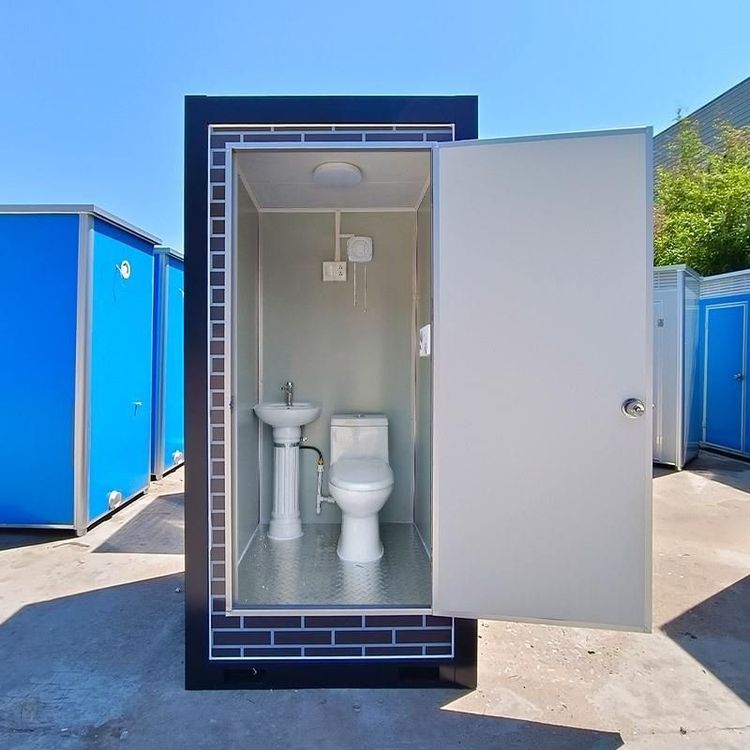
- Equipment Details: The brand, model, quantity, and specific configurations of the mobile toilet vehicle should be specified (such as internal trash bins, deodorization equipment, lighting systems, bilingual (Chinese-English) directional signs, etc.). For instance, the China Construction contract requires the toilets to be equipped with handrails, exhaust equipment, and water-saving flushing technology.
- Quality Standards: The equipment materials must meet environmental protection requirements and industry standards (such as using water-saving technology and achieving standard fecal treatment).
III. Rental Period and Delivery
- Rental Duration: Clearly define the start and end dates and the total number of days. Adjustments to the rental period due to project needs are allowed (with prior notice and the signing of a supplementary agreement). The billing method can be staged (for example, different unit prices for projects in Haikou for 15 days or less and 16 days or more).
- Delivery and Installation: Agree on the delivery time, location, and responsibilities for installation and commissioning (for example, the lessor needs to complete the installation one day before the event).
- Dismantling and Withdrawal: Clearly define the dismantling time and process (for example, the lessor needs to confirm the specific time with the on-site contact person).
IV. Service Content and Responsibilities
- Lessor's Services: Include transportation, loading and unloading, fecal removal, maintenance, and regular cleaning (such as cleaning twice a week), and ensure that environmental protection treatment meets standards.
- Lessee's Responsibilities: Provide working conditions (such as clearing on-site obstacles), pay the rent on time, and assume custody responsibilities (compensation at market price for damage or loss).
V. Rent and Payment Method
- Billing Standards: Charge by day or month (for example, 620 yuan per unit per day for projects in Haikou (for 15 days or less)). Less than half a month is counted as half a month, and more than half a month is settled as a full month.
- Payment Process: Pay an advance payment after the contract is signed (such as 50%), and pay off the remaining balance after the event. The lessor needs to provide a formal invoice.
VI. Breach of Contract and Dispute Resolution
- Breach of Contract Liabilities: The lessee shall compensate for human-caused damage, and the lessor shall be liable for breach of contract if it fails to deliver on time.
- Dispute Resolution: Prioritize negotiation. If negotiation fails, submit to arbitration (such as the Shanghai Arbitration Commission) or file a lawsuit in court.
VII. Other Clauses The contract shall take effect upon the seals of both parties and be made in duplicate. For matters not covered, a supplementary agreement can be signed, which has the same legal effect as this contract.
Notes when using the reference template: Government procurement projects must strictly follow the requirements of the bidding documents (for example, the project in Haikou adopts a competitive negotiation method). The actual terms should be adjusted according to project needs and laws and regulations.