Back to blog
Article
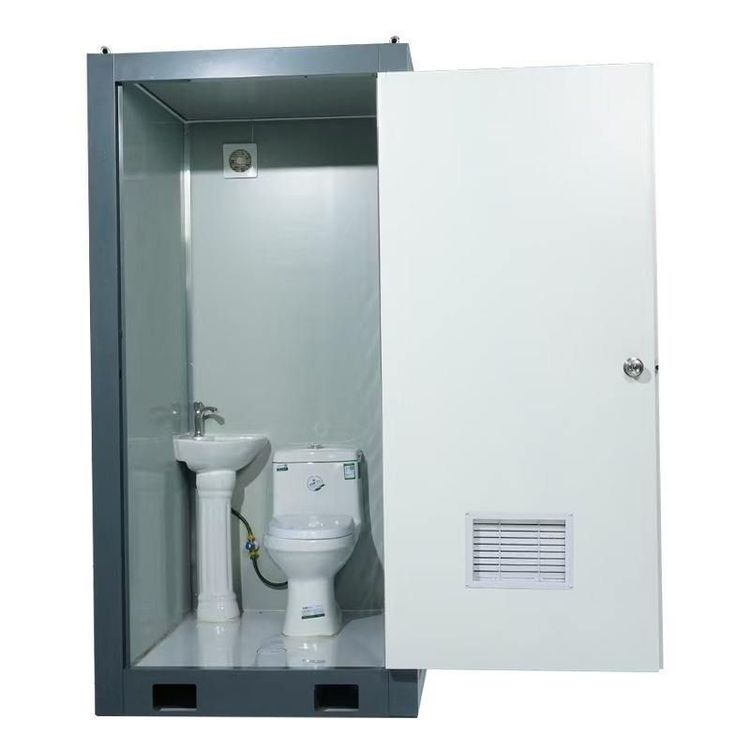
Mobile Toilet for Urination Use
Admin September 24, 2026
There are various facilities and treatment methods for urination in mobile toilets, which can be selected according to different scenarios and needs.

Types of Urination Facilities
- Wall-mounted Urinals: The commonly used 304 stainless steel wall-mounted urinals in bars are durable and easy to clean. These urinals are not only suitable for bars but can also be widely used in mobile toilet scenarios such as homes, hospitals, and schools. Their wall-mounted installation method saves space, and the stainless steel material effectively prevents corrosion, extending the service life.
- FRP Urination Stalls: Mobile toilets made of fiberglass-reinforced plastic (FRP) can be equipped with independent urination stalls. This design better protects the privacy of users. At the same time, FRP material has the advantages of being lightweight, high-strength, and corrosion-resistant. It can be customized according to actual needs to meet the requirements for the size and layout of urination stalls in different places.
- Modular Urinal Troughs: Modular mobile toilets adopt a modular splicing design and can be flexibly combined into multiple toilet compartments as needed. During the combination process, facilities such as urinal troughs can be equipped, making them suitable for places with a large flow of people, such as large-scale event sites and construction sites, and effectively improving usage efficiency.
Sewage Treatment Methods
- Flush Type: Urine and other excreta are flushed into the sewer or sewage treatment system through water flow. This treatment method is clean and hygienic and can effectively reduce odors. However, it requires connection to a water source and drainage system and is suitable for places with complete infrastructure.
- Waterless Vacuum Suction Type: It uses the principle of vacuum suction to draw excreta into a storage container without water flushing. This method saves water resources and is suitable for water-scarce areas or places with high requirements for water resource protection. However, the storage container needs to be cleaned regularly.
- Recirculating Flush Type: The treated water is recirculated for flushing the toilet, achieving the recycling of water resources. This treatment method can not only ensure the cleanliness and hygiene of the toilet but also save water resources. However, it requires the installation of complex water treatment equipment.
- Dry Packing Type: Excreta are packed with special materials without the need for water and a drainage system. This method is suitable for places without a water source and drainage conditions, such as field operations and temporary events, but the packing materials need to be replaced regularly.